
Most famous spirits in the world come with a beautiful origin story. Rum does not. Rum was born from what people threw away, in the hands of those who had nothing to lose, at the heart of an economic system that history has yet to fully reckon with.
That is why the story of Rum – whether you drink it or not – deserves to be told properly, at least once.
Born From Waste
To understand Rum, you need to know one detail that few people stop to consider: sugar – the ordinary seasoning you can pick up at any supermarket today – was once a luxury good reserved exclusively for European nobility.
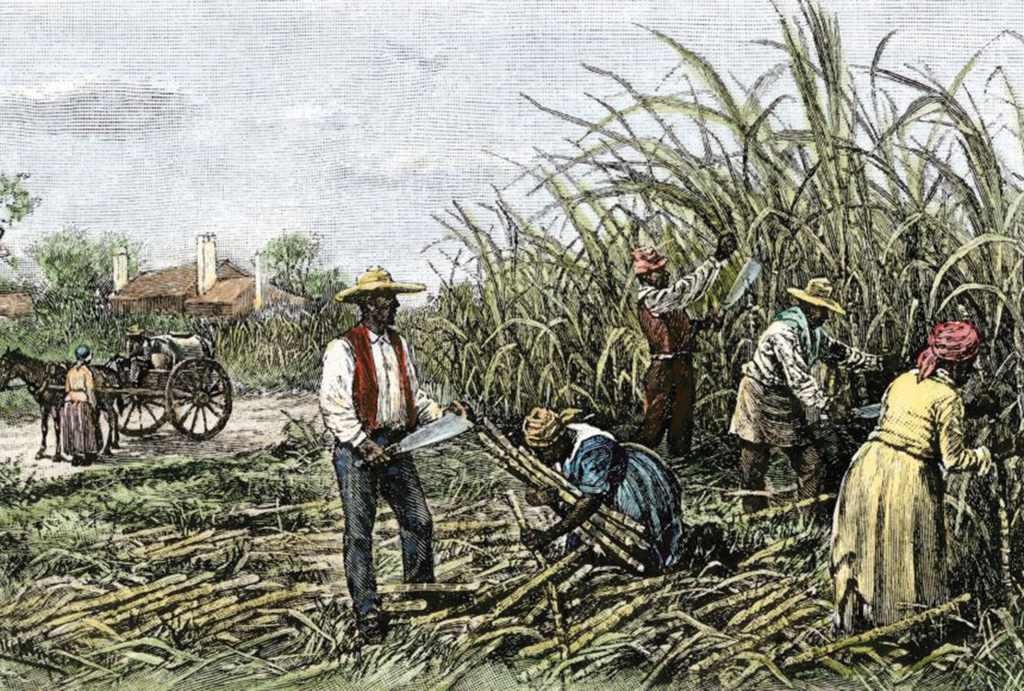
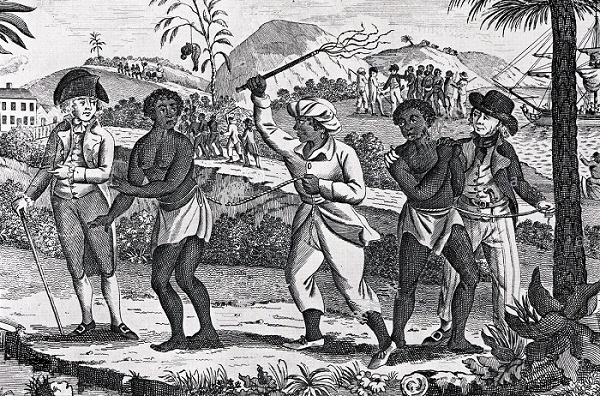
When Europeans seized the Caribbean from the 15th to 16th centuries and realized it was ideal for growing sugarcane, they did not hesitate. Forests were burned to the ground. Indigenous populations declined. Africa became the source of enslaved labor to run the massive sugarcane plantations. “White gold” – as sugarcane was called – was bought at a price that history can never fully quantify.
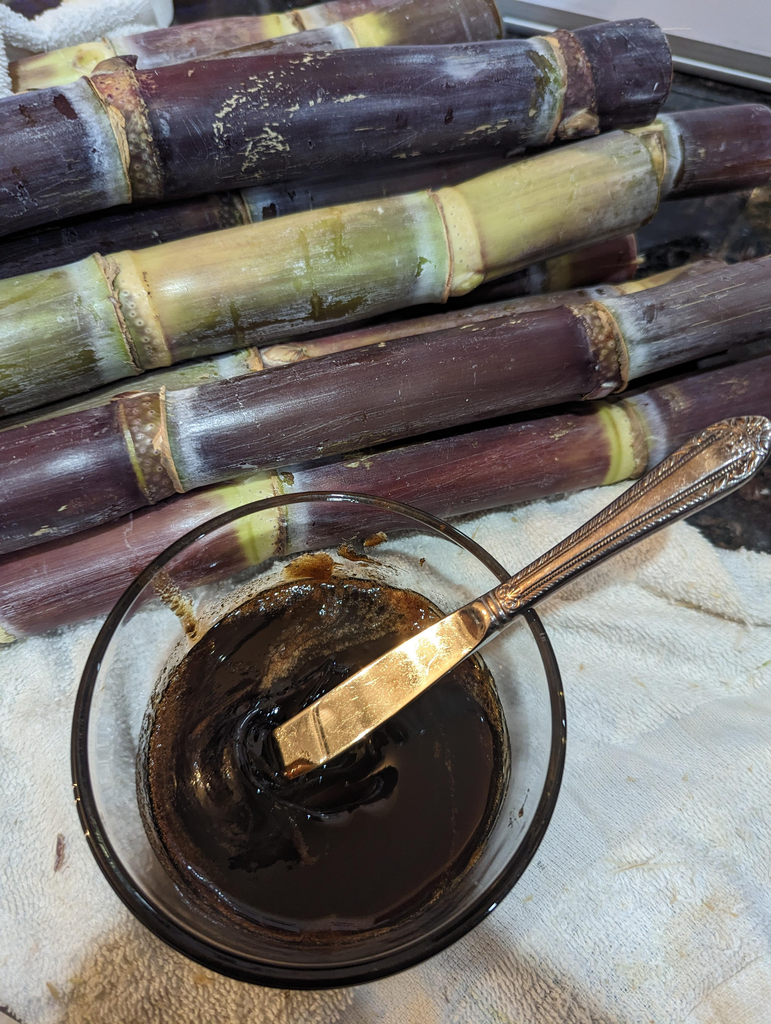
And the process of producing that sugar left behind a byproduct that nobody wanted: molasses – a thick, dark, pungent syrup, unsuited to European taste and of no clear commercial value. Plantation owners called it industrial waste.
But in the hot, humid climate of the Caribbean, this waste refused to stay still. Wild yeast in the air began fermenting it naturally. Enslaved workers – the first to recognize what was happening – used crude distillation equipment to turn that fermented liquid into something stronger and more stable.
Rum was not born from deliberate invention. It was the inevitable result of a system overflowing with byproduct – and of the ingenuity of people who needed something to hold on to.
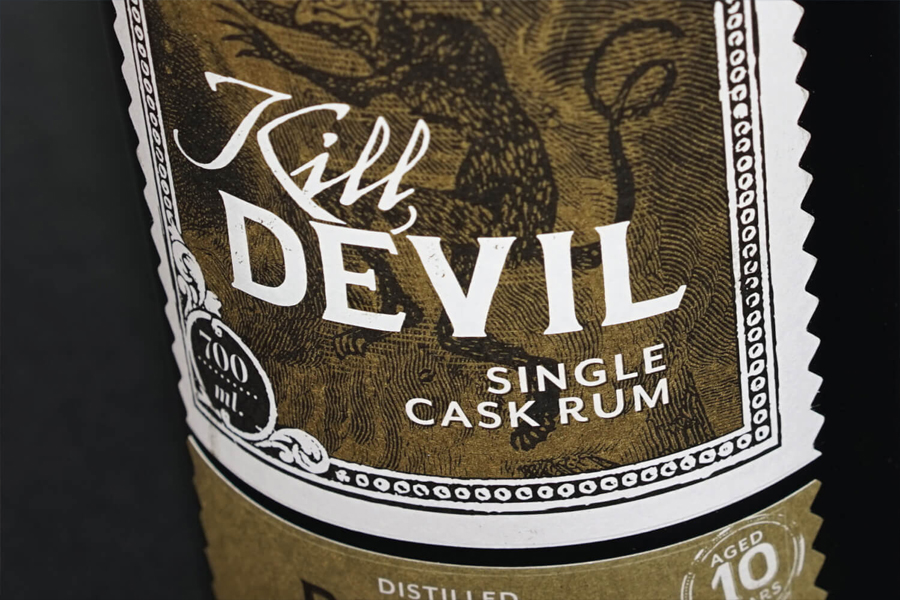
In 1651, the earliest known written record of Rum in Barbados called it “kill-devil.” That name said everything.
A Tool of Empire
When plantation owners and European merchants realized that this “waste” could make money – a great deal of money – Rum quickly moved beyond the survival space of enslaved workers and became a critical link in the Atlantic Triangular Trade: Rum exchanged for enslaved people in Africa, enslaved people producing sugarcane, sugarcane producing Rum. The circle closed on itself.
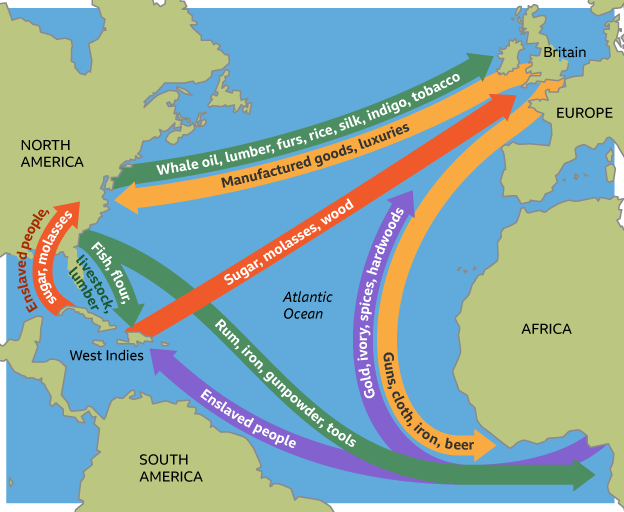
During this period, Rum was not defined culturally as a drink. It was currency, a weapon of control, the fuel of empire – used to pay sailors, bribe officials, and directly exchange for human lives.
That role became even clearer when England captured Jamaica in 1655 and Rum officially boarded the warships. The British Royal Navy faced a practical problem: how to maintain discipline and morale among thousands of sailors across voyages lasting months, where fresh water was easily contaminated and disease was rampant? The answer was Rum – cheap, strong, easy to store and produced directly in Caribbean colonies without importing from the enemy.
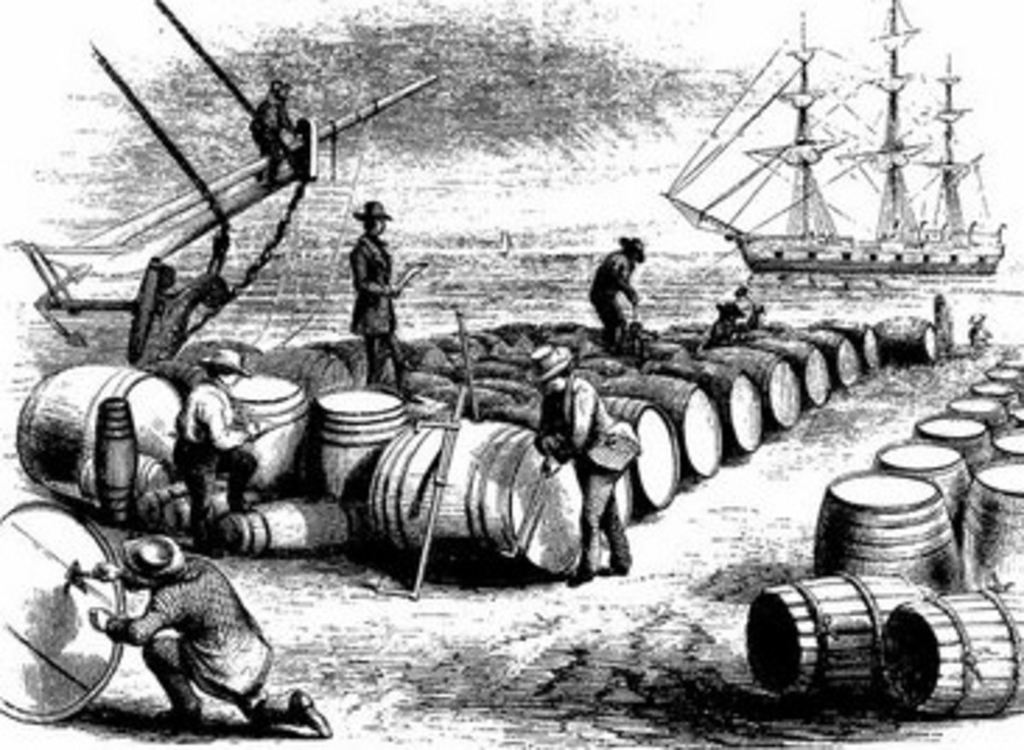
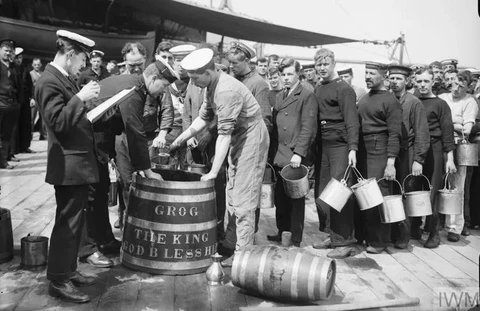
From 1731, the British Navy officially issued daily Rum rations to every sailor. This was not generosity – it was a mechanism of control: obey orders and you drink, violate them and your ration is cut. That tradition lasted exactly 239 years, until July 31, 1970 – a day known as Black Tot Day – when the British Navy officially brought it to an end. Many seasoned sailors genuinely mourned the occasion.
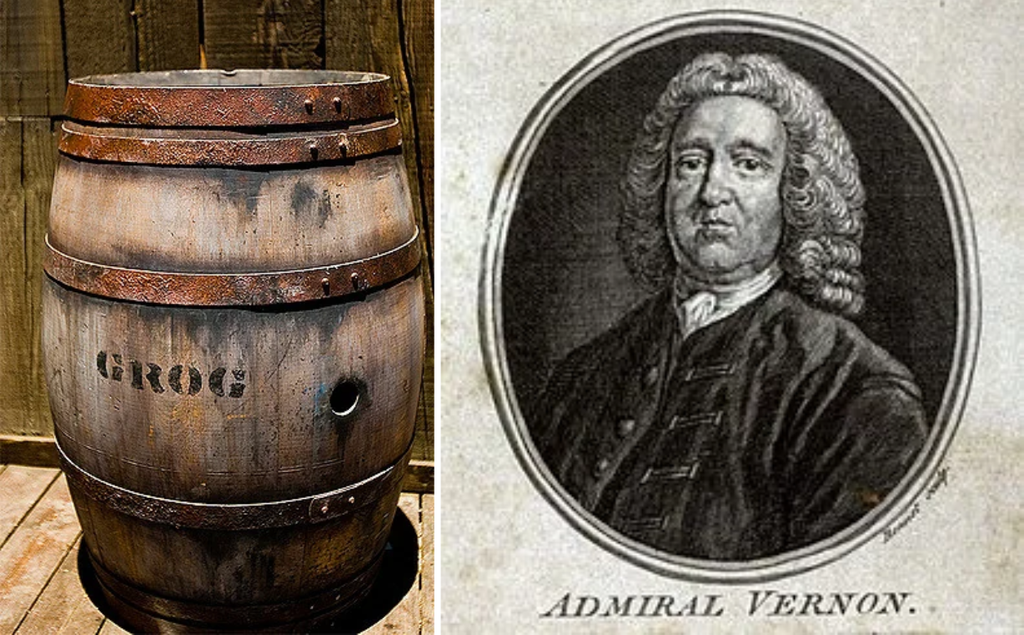
And a beautiful accident happened along the way: in 1740, Admiral Edward Vernon ordered Rum to be diluted with water at a ratio of 1:4 to reduce drunkenness – that mixture became known as Grog, named after his nickname “Old Grog.” Sailors then began squeezing lime into it to prevent scurvy. Entirely by accident, they had created the foundational formula of the modern cocktail: spirit, water, and citrus acid – exactly what bartenders learn on the first day of training today.
Myth, Revolution, and Betrayal
Rum traveled the world – and everywhere it landed, it left a mark in ways nobody anticipated.
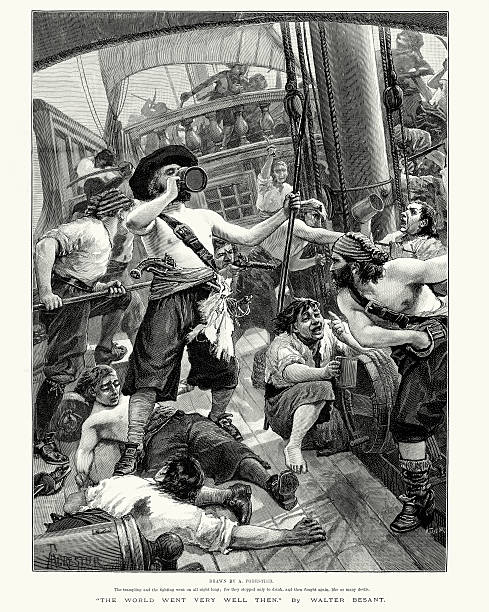
With pirates, the generous image of drinking Rum, singing on the deck and throwing themselves into glorious adventures is the story Hollywood told – not history. Many pirates of that era were deserting sailors, impoverished laborers pushed to the margins of colonial society, people with no better option than to take their chances outside the law. For them, Rum was not a symbol of freedom – it was a way of coping with illness, hunger and the constant nearness of death. That romanticization did real damage: it transformed a product bound up with exploitation and suffering into harmless entertainment, and helped people forget the true cost at which Rum was created.
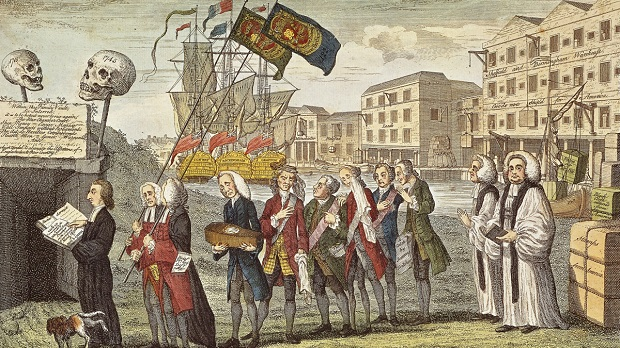
With America, the story is even more ironic. In the 18th century, Rum was so prevalent that colonists consumed it more regularly than water. When the British Empire imposed heavy taxes on molasses through the Sugar Act of 1764 to tighten its economic grip, the American Rum industry was strangled directly. That resentment was one of the genuine – if rarely mentioned – catalysts of the American Revolution. In other words: part of the reason the United States came into existence is that people were furious about taxes on their distilling ingredients.
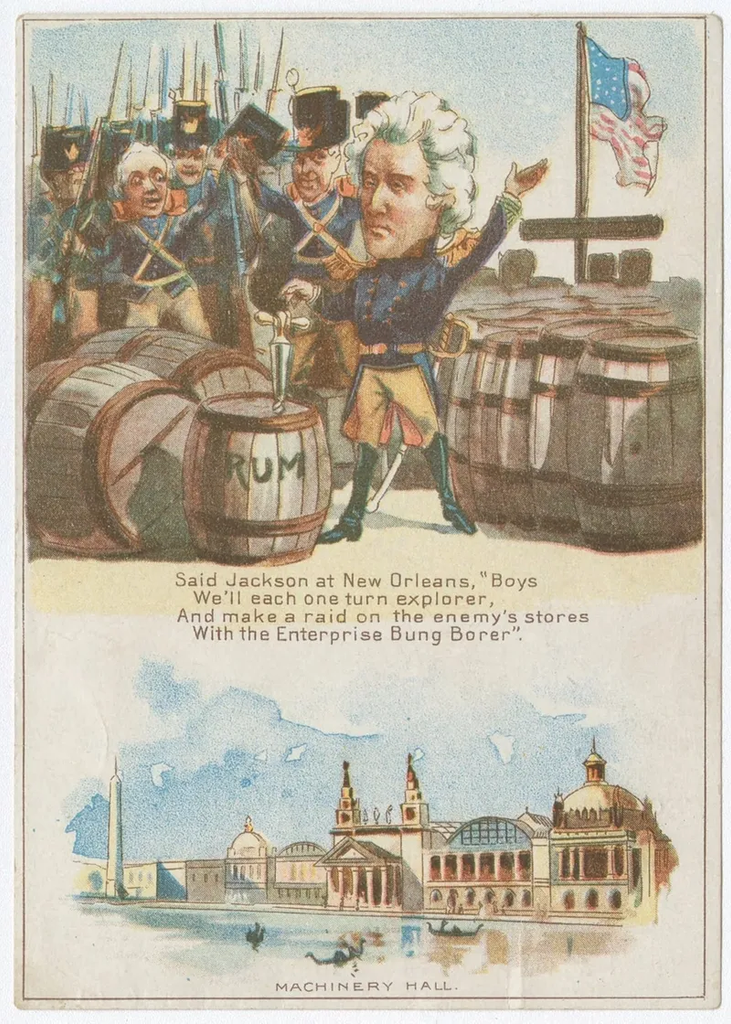
Then America turned its back on Rum. After independence, whiskey made from abundant Midwestern corn was cheaper and easier to produce, and carried none of the shadow of colonial memory. When slavery was abolished in the 19th century, the plantation system collapsed, the cost of producing molasses surged, many distilleries went bankrupt. Rum entered a long decline – seen as cheap liquor associated with a darkness nobody wanted to revisit. By the 1820s, whiskey sold for 25 cents a gallon – less than coffee, tea, beer and Rum. The life of Rum in North America ended almost without a sound.
Revival and a Journey That Has Not Ended
Rum did not die. It was simply waiting for the right moment.
The Prohibition era (1920–1933) accidentally sparked a wave of revival: smuggling ships from the Caribbean carried Rum into the United States, and the secret speakeasy bars that sprang up became the places where Rum came back to life – carrying with it all the pull of something forbidden.
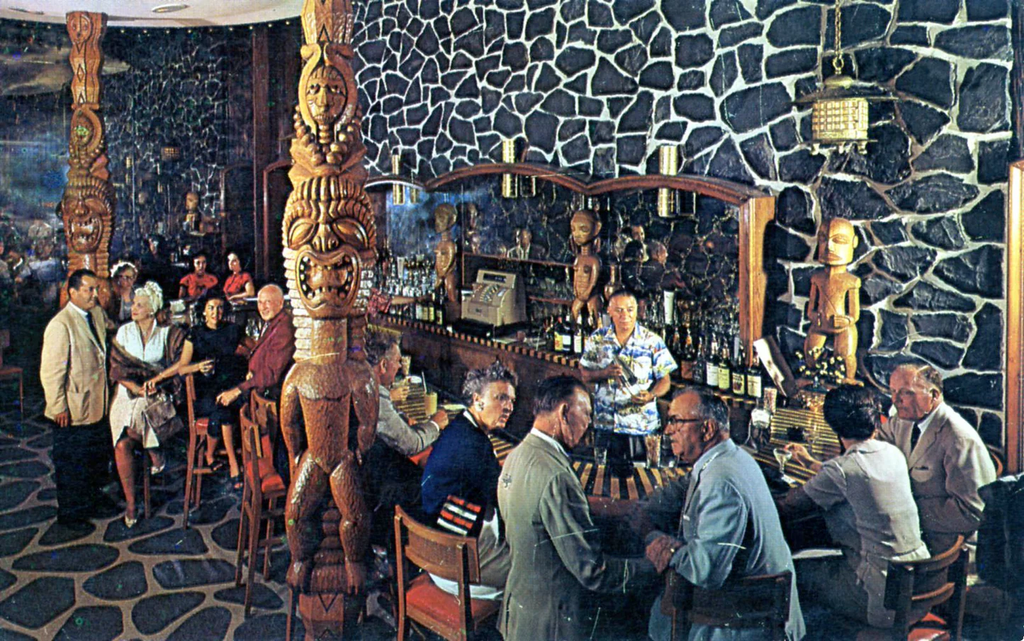
Then after World War II, Tiki culture arrived, sweetening and tropicalizing Rum, bringing it to mass audiences through pineapple-shaped glasses and vividly colored cocktails – beautiful and fun, but once again pulling Rum further from the true depth of its history.
That is the journey of Rum – from unwanted waste to the tool of empire, from the catalyst of revolution to the legend of the sea, and finally to the brilliant cocktail you are holding in your hand.
Every sip you take today carries all of that with it – even if the label never mentions any of it.

Gia Lĩnh (Sâu) is a bartender and storyteller exploring the world of spirits, cocktails, and bar culture. To him, every drink is more than just a recipe; it carries history, human connections, and values preserved through time. Through his writing, Lĩnh hopes to bring these stories closer to communities passionate about food and beverages.