Chinese wine has been part of the global conversation for some time, often mentioned with a mix of curiosity and cautious interest. But at this year’s ProWine Singapore, the conversation felt different.
It was no longer about discovery. It was about presence.
Across tastings, wine lists, and industry discussions, Chinese wine appeared not as an emerging topic, but as a growing force shaping the direction of the market.
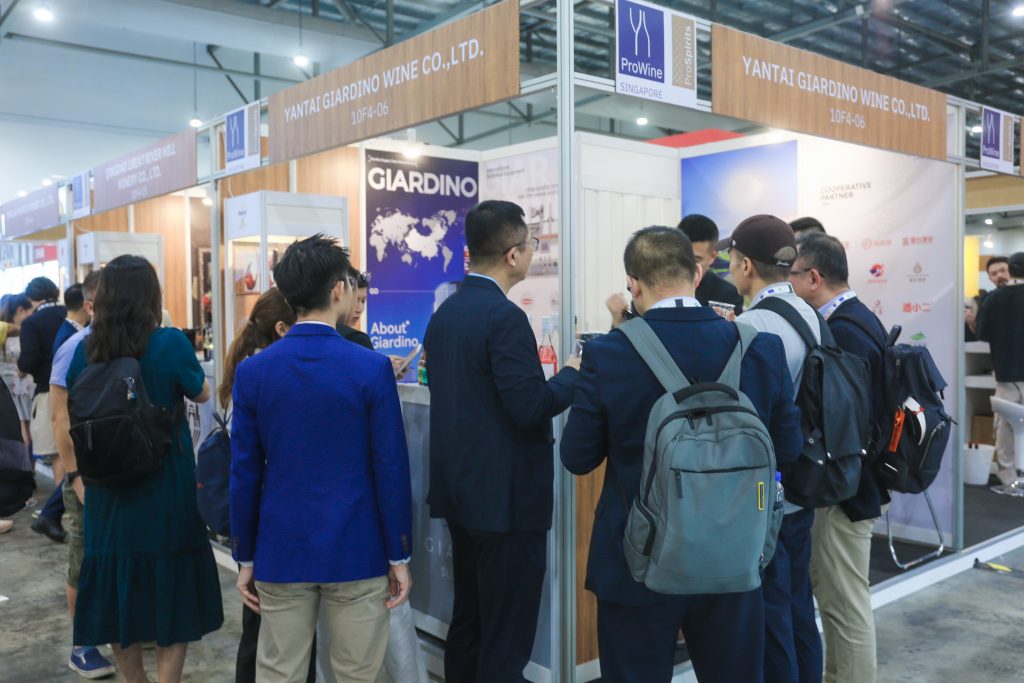
ProWine Singapore: Where the Industry Reflects Itself
ProWine Singapore is one of the most important wine and spirits exhibitions in Asia, especially for Southeast Asia. It is not only a meeting point for producers, importers, and industry professionals, but also a place where trends are tested in a mature market like Singapore.
The 2026 edition, held from April 21 to 24, brought together more than 200 producers from 24 countries.
What appears at ProWine does not simply reflect the present. It reveals where the wine industry is heading.
A Wine Industry Redefining Itself
Over the past decade, China has built a strong foundation in wine production.
The country has more than 800,000 hectares of vineyards. Annual production once reached around 12 to 13 million hectoliters. It is now among the world’s major wine-producing nations.
But today, the story is no longer about volume.
In recent years, the Chinese wine industry has clearly shifted toward improving quality, developing the premium segment, and building its own identity. This is not growth in quantity. It is a process of repositioning.
Chinese Wine Regions Are Finding Their Voice
Regions such as Ningxia, Shandong with Penglai, Yunnan, and Xinjiang are appearing more often in international conversations.
Ningxia is widely recognized for its quality and has gained international attention.
Penglai in Shandong benefits from a maritime climate that creates balance in the wines.
Yunnan, with its high altitude, brings elegance and structure.
Xinjiang offers large-scale production and dry conditions suitable for viticulture.
What matters is no longer how closely these regions resemble Bordeaux or Napa. What matters is that they are beginning to stand on their own.
Recognition on the Global Stage
The development of Chinese wine is now visible beyond the region.
In recent years, producers, especially from Ningxia, have received awards at major competitions such as the Decanter World Wine Awards and the International Wine Challenge.
Some wines have won gold medals and high scores, competing directly with long-established wine-producing countries.
These are no longer symbolic recognitions. They reflect real quality.
Quality and Diversity at ProWine Singapore
One of the most noticeable aspects of this year’s ProWine Singapore was the diversity of Chinese wine regions.
It was not just a few producers. It was a broader picture that included Ningxia, Penglai, Yunnan, Xinjiang, and even lesser-known regions such as Hebei and Shanxi.
This diversity is no longer for display. It reflects a developing ecosystem.
The quality was equally notable.
The wines presented showed clear progress in structure, balance, and expression of regional character.
These are no longer experimental wines. They are carefully developed products with clear direction.
The presence of multiple regions also signals an important shift. China is not just producing wine. It is building a wine landscape with depth and international relevance.
Insights from ProWine Singapore and Star Wine List
ProWine Singapore is not just a showcase. It is where industry direction becomes visible.
At the Star Wine List Southeast Asia Awards, the Grand Prix for Best Wine List was awarded to Jin Ting Wan in Singapore.
The list focused on Chinese wines from regions including Ningxia, Hebei, Shandong, Yunnan, Shanxi, and Xinjiang.
This suggests a clear shift. Chinese wine is no longer a secondary option. It is becoming central to the dining experience.
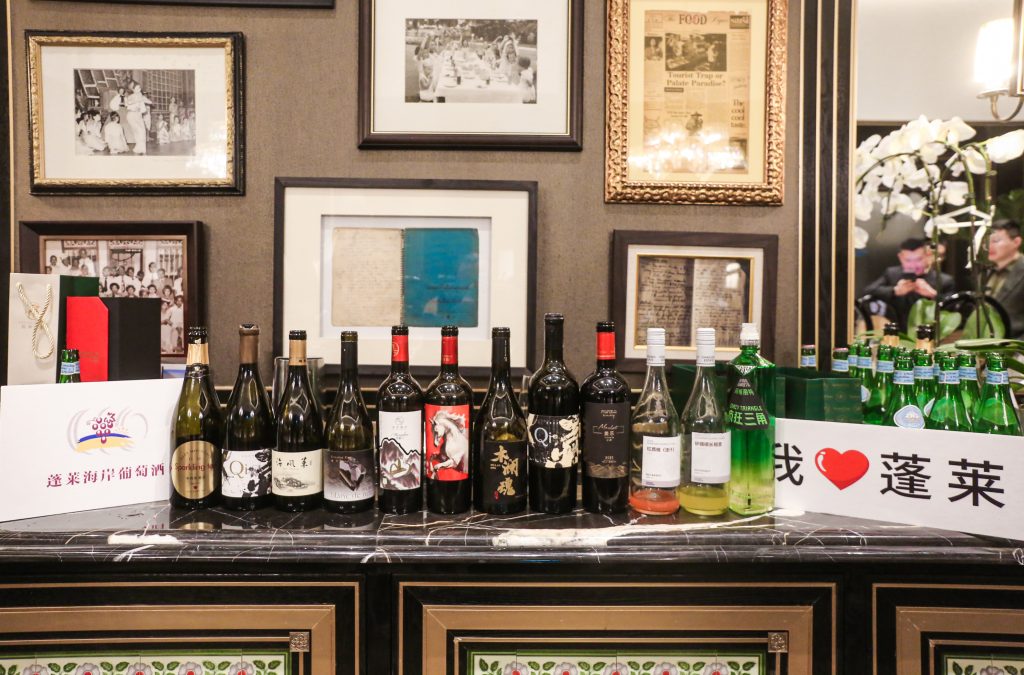
A Personal Encounter with Penglai Wines
During ProWine Singapore, I attended a wine dinner featuring wines from Penglai in Shandong, alongside industry experts and media.
What impressed me was not just the quality, but the surprise.
These wines were no longer trying to imitate well-known European regions. They showed confidence through structure, balance, and a distinct style.
This is an important transition.
What This Means for the Wine Industry
The rise of Chinese wine is not only a national story. It is influencing the broader industry.
It affects how wine lists are curated.
It changes how import portfolios are selected.
It reshapes how stories are told to consumers.
It influences how dining experiences are positioned.
This is not simply a new category. It represents a new perspective on wine
Phuong Maxy began her journey as a storyteller, sharing untold stories about people in the wine industry on her personal blog. She also contributes to international publications, bringing perspectives from Vietnam’s emerging wine culture to a global audience.
With over 10 years of experience in wine marketing and communications, Phuong is passionate about connecting people, culture, and knowledge through the world of food and wine.
Her work has been recognized as one of the Top 50 Influential Women and awarded Writer of the Year by Women in Wine & Spirits Award 2025.