If you stand behind a bar long enough, you begin to notice something: when guests order a cocktail, they are not just ordering a drink. They are ordering a feeling. An evening. Sometimes an entirely different version of themselves.
And there are certain glasses that — no matter how many hundreds of times you have made them — still make you pause for just a moment before setting them down on the table. Not because the recipe is complicated. But because behind them lies a history longer than any menu could ever tell.
May 13 is World Cocktail Day. And these are the stories of five drinks I thought I knew well, until I began to truly understand them.
Two Issues of a Newspaper and the Definition That Changed Everything
Few people know that May 13 was not chosen at random. In 1806, a New York publication called The Balance and Columbian Repository printed a response to a letter from a curious reader — someone who had come across the phrase “cock-tail” in a previous issue and wanted to know what it meant.
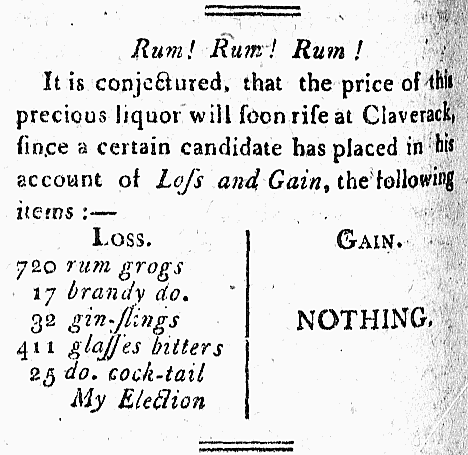
The story began with a satirical political piece on May 6, 1806: the newspaper had listed the full liquor expenses of a congressional candidate attempting to buy votes — “720 glasses of rum-grog, 17 dozen brandy, 32 gin slings, and 25 dozen cock-tails.” The candidate lost. But the word “cock-tail” stayed.
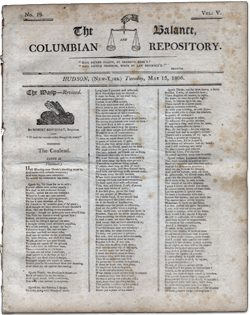
One week later, editor Harry Croswell wrote: “Cock tail, then, is a stimulating liquor, composed of spirits of any kind, sugar, water, and bitters — it is vulgarly called bittered sling, and is supposed to be an excellent electioneering potion, inasmuch as it renders the heart stout and bold, at the same time that it fuddles the head.”
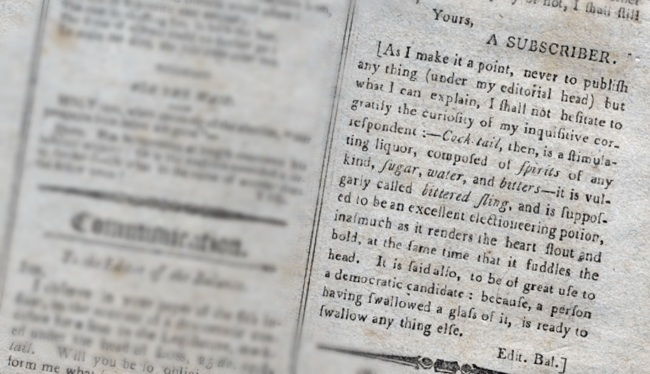
“A stimulating liquor — makes the heart bold, fuddles the head.” It sounds like a warning. But it also sounds like an invitation. More than two centuries later, the global community of bartenders and cocktail lovers chose May 13 as World Cocktail Day in memory of that moment — an occasion to celebrate the art of mixology, honor the classic recipes, and explore the endless creativity still being born today. From bars in London, New York and Tokyo to small corners of Hanoi and Saigon, the cocktail has become a shared language that needs no translation.
On this occasion, let us travel back through time and meet five cocktails that wrote history — recipes that survived wars, revolutions, Prohibition, and the shifting tastes of every generation that came after.
Old Fashioned — The Cocktail of Quiet Men
If a cocktail were a conversation, the Old Fashioned would be the man sitting in the corner of the bar — not saying much, but impossible to forget once you have met him.
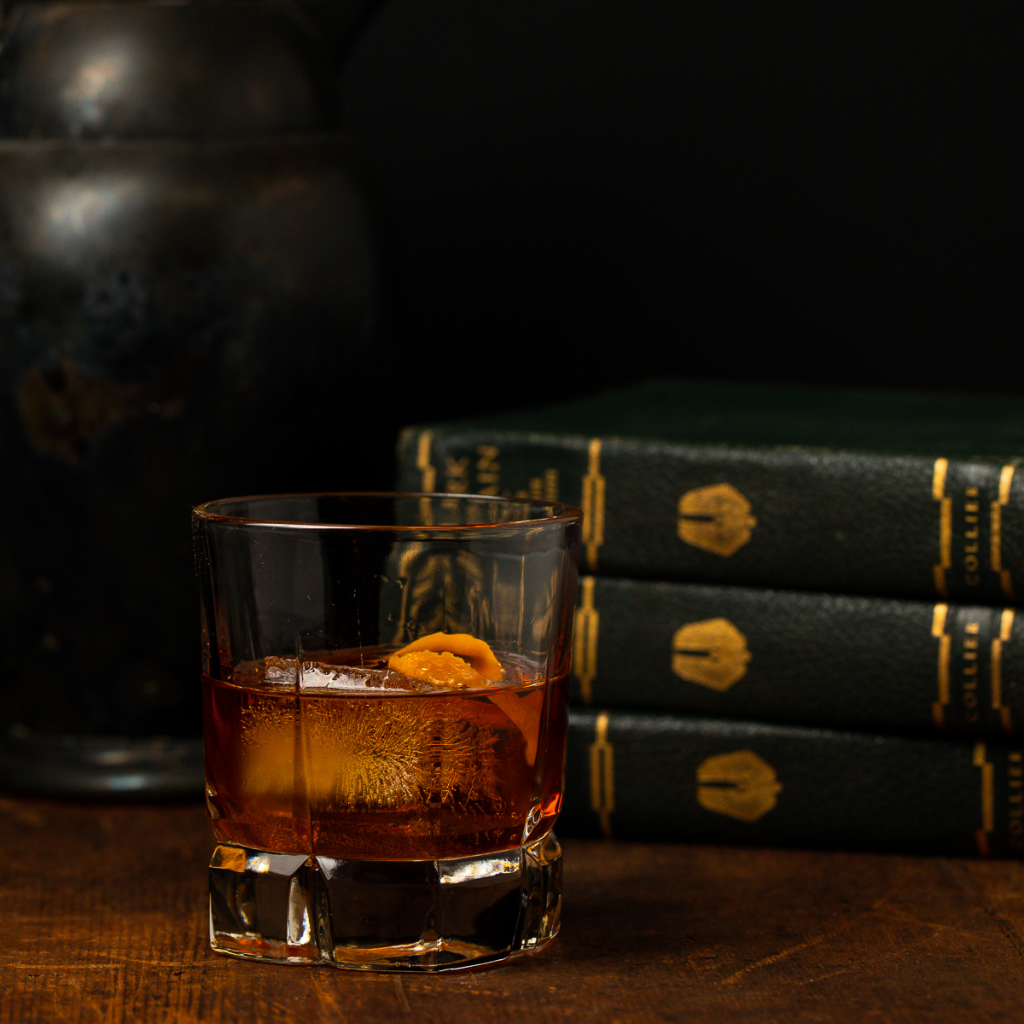
Appearing around the 1880s in the United States, the Old Fashioned was in essence a return to the purest definition of cocktail: spirit, sugar, bitters, water — exactly what that 1806 newspaper had described. As bartending began incorporating liqueurs, juices and syrup-heavy flourishes, a group of drinkers — the “old gentlemen” — started asking for a cocktail made “the old-fashioned way.” The name stuck.
Bourbon or rye whiskey, a sugar cube muddled with Angostura bitters, a large ice cube, a twist of orange peel. Every time I finish making one and set it on the table, I still feel it — the weight of the glass, the amber of the spirit, the faint scent of orange, nothing more needed. The Old Fashioned carries a kind of elegance that does not try to impress. It simply sits there and waits for you to come to it.
Sazerac — The Soul of New Orleans
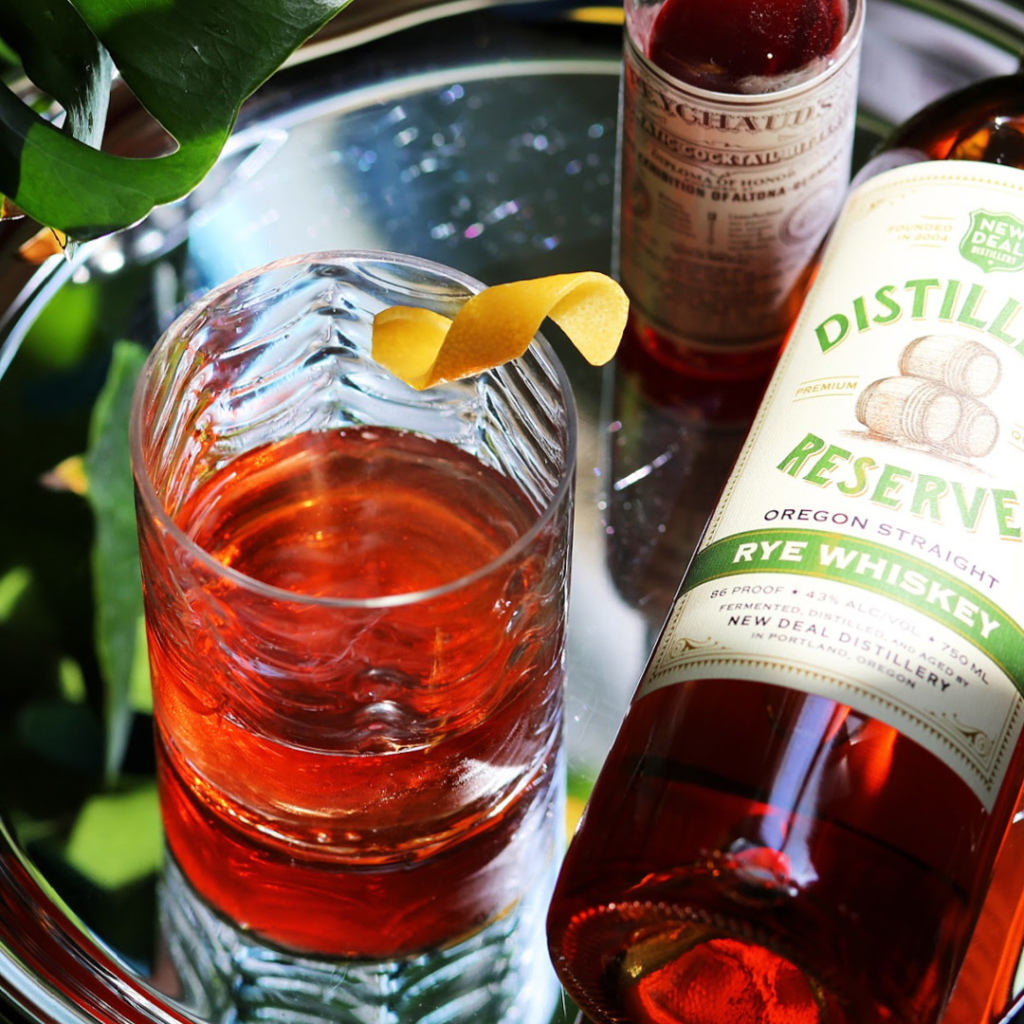
In 1838, at a small establishment on Royal Street in New Orleans, a pharmacist named Antoine Amédée Peychaud was experimenting with cognac and the bitters he himself had formulated — Peychaud’s Bitters — served in small silver cups called coquetier. Some believe that this strange word, mispronounced and passed down through many mouths, gradually became the word “cocktail.” It is only a theory. But it is a beautiful one.
The Sazerac — named after the Sazerac-de-Forge et Fils cognac Peychaud favored — later shifted to rye whiskey when the phylloxera plague devastated European vineyards. A small rinse of Absinthe inside the glass before pouring. A lemon peel twisted above the surface to release its oils. In 2008, the Sazerac was officially named the cocktail of New Orleans — a title well earned by a drink that has always carried the spirit of that city: free, jazz-soaked, and awake long past midnight.
The first time I drank a Sazerac, the feeling it gave me was not of a bar — it was of some dim corner of a long evening. It is not sweet. It is not easy. But after the first sip, you understand why people have held onto it for centuries. Drinking a Sazerac is not simply drinking a cocktail. It is sipping your way through the layered history of a city. Sweet, smoky, fragrant and unforgettable.
Martini — The Queen of Cocktails
No cocktail has generated more debate than the Martini. Its origins remain contested — some trace it to the town of Martinez, California in the 1860s; others credit bartender Martini di Arma di Taggia at the Knickerbocker Hotel in New York at the turn of the 20th century. No one has won that argument.
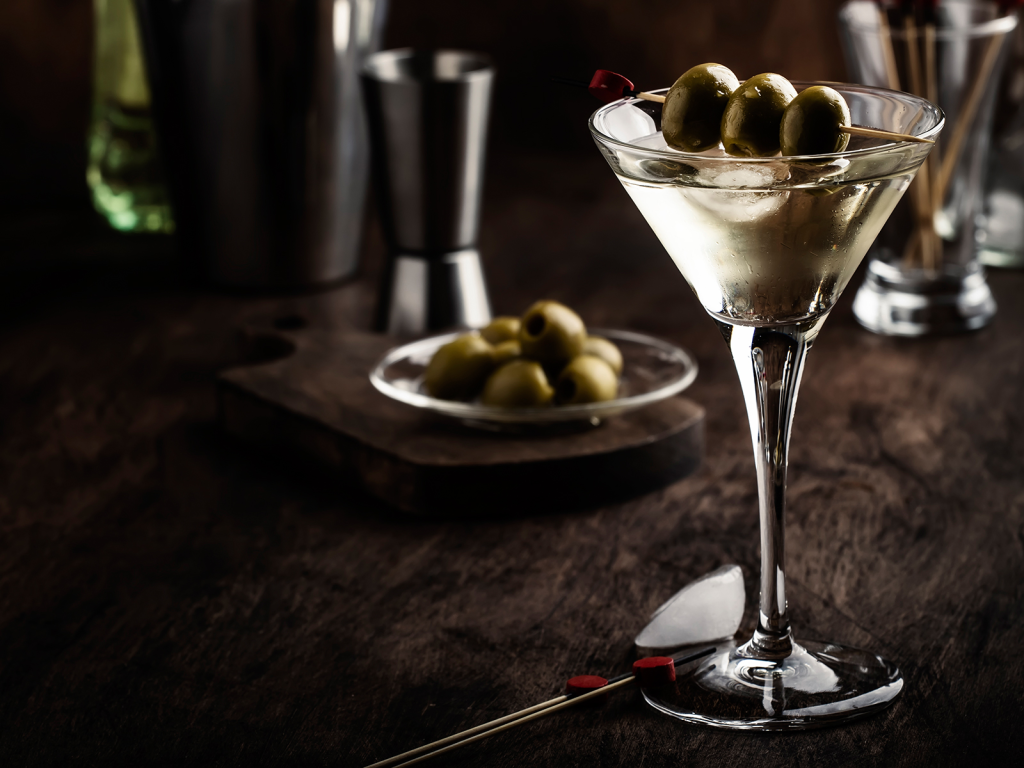
Whatever its origins, the Martini rose to become a symbol of elegance and refinement in a way no other cocktail has matched. The classic recipe: gin and dry vermouth in precise proportion, shaken or stirred with ice, poured into a tall triangular glass, garnished with an olive or a lemon twist. But the real debate around Martini is not its birthplace — it is method. Shaken or stirred? Even James Bond — who ordered his Martini “shaken, not stirred” across decades of films — could not settle it. Traditionalists insist on stirring, arguing it preserves clarity and a smooth, silky texture. But millions of people who drink it Bond’s way have no regrets either.
What I have come to notice after years behind the bar is this: the way someone orders a Martini says more than they realize. The gin-to-vermouth ratio. Shaken or stirred. Olive or lemon. Wet or dry. Dirty or perfect. The Martini is the only cocktail where those small choices add up to something like a personal statement — about taste, about control, about how you want to be seen that evening.
A Martini is not just a cocktail. It is an aesthetic declaration.
Negroni — When One Moment Became World History
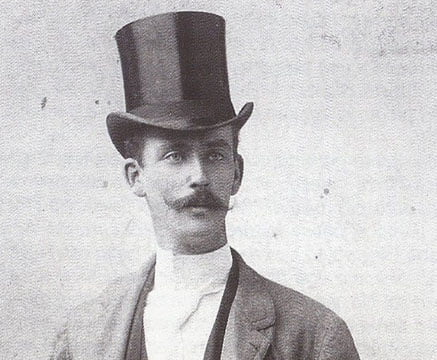
In 1919, at Caffè Casoni in Florence, Count Camillo Negroni — an Italian nobleman who had once lived in America and worked as a cowboy in Colorado — walked into the bar and asked bartender Fosco Scarselli to replace the soda in his Americano with gin. Scarselli added an orange peel instead of lemon to mark the difference. The whole exchange took less than a minute.
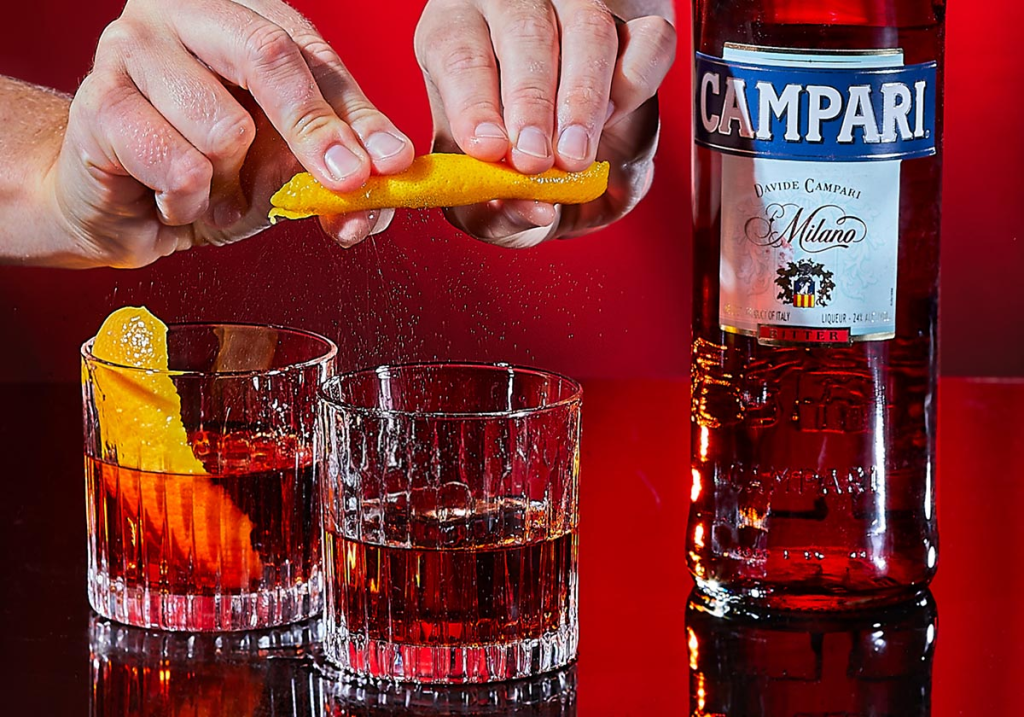
Gin, Campari, sweet vermouth in a 1:1:1 ratio. Red as a Mediterranean sunset. The bitterness of Campari, then the sweetness of vermouth, then the oils from the orange peel releasing into the air — unlike anything that had come before. The Negroni arrived as an accident, or perhaps as something history had arranged all along, because it has now survived more than a century and become a legend.
From a café in Florence, the Negroni conquered Europe, crossed the Atlantic, and today has an entire international week named after it: Negroni Week — a global event bringing together thousands of bars to mix Negronis and raise money for charity every year.
The Negroni is the cocktail I reach for when someone tells me they “don’t like sweet cocktails” or “need something different.” The first sip usually earns a raised eyebrow. But by the second, they start to understand. By the third, they stop ordering anything else.
The Negroni is a trap — but the most beautiful trap in bartending. And it has been catching people for over a hundred years. The strange thing is, once they fall in, they never want to leave.
Mai Tai — The Sound of Ocean Waves in a Glass
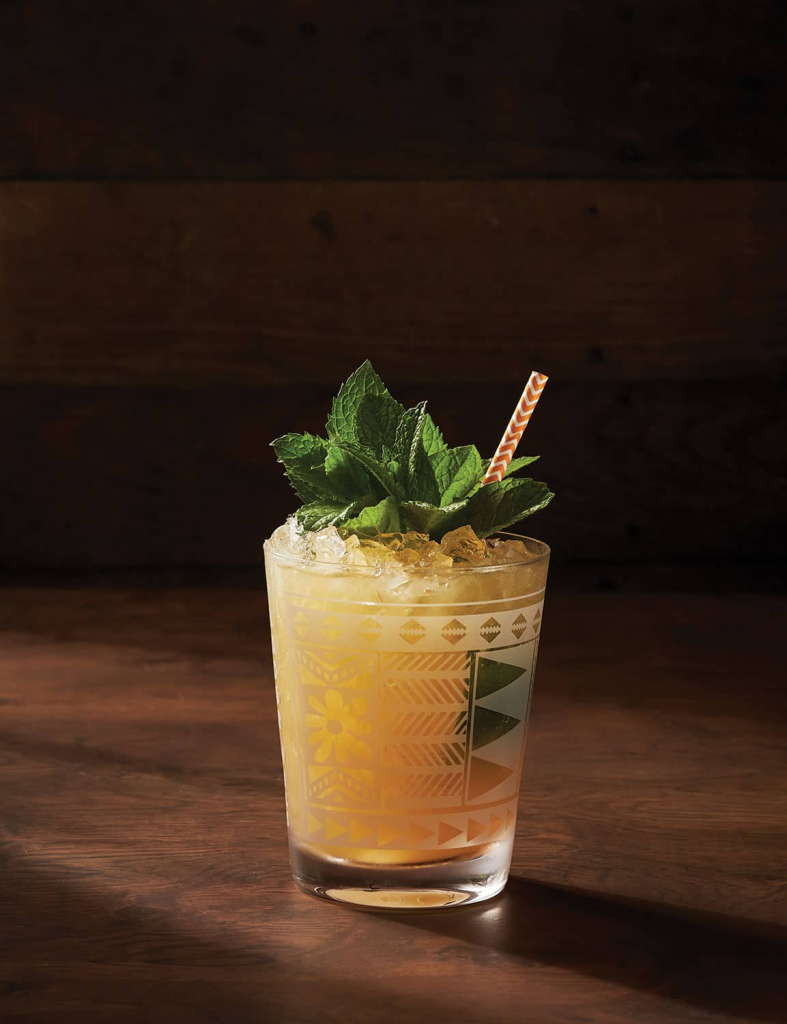
In 1944 in Oakland, California, Victor “Trader Vic” Bergeron took a bottle of 17-year-old Jamaican rum, added fresh lime juice, orgeat syrup, and orange curaçao. He shook it with ice, poured it into a glass filled with fresh mint.
Then he handed it to two friends from Tahiti to taste. They exclaimed: “Mai tai — roa ae!” — in Tahitian: “Out of this world — the best!” And that is how Mai Tai got its name.
Mai Tai was born of the Tiki era — the Polynesian-inspired cultural wave that swept across post-World War II America, when people were hungry to escape their anxieties and retreat into an imagined tropical paradise. The amber of aged rum, the warmth of almond, the brightness of lime. Mai Tai does not tell you a story. It picks you up, sets you down on a beach, and lets you forget the rest of the world for a while.
Of all the cocktails I have made, the Mai Tai is the one that most often brings a moment of silence after the first sip. Not because guests have nothing to say. But because for just a second, they are somewhere else.
Raising a Glass to History
Five cocktails. Five stories. Five corners of history you can touch with a single sip.
World Cocktail Day on May 13 is not simply a reason to drink — it is a reminder that behind every recipe that seems straightforward lies an entire human journey: the searching, the boldness, and often the pure accident of people who had no idea they were making history. A pharmacist in New Orleans. An Italian count who wanted something different in his glass. A bartender with one precious bottle of rum. None of them were trying to change the world. They were simply trying to make something a little better than what came before.
Perhaps that is why cocktails have lasted as long as they have. Not because of a perfect formula. But because behind every glass is a person — searching for something, escaping something, or simply hoping that this particular evening will feel a little different from the rest.
And that, in the end, is the spirit of the cocktail — and the spirit of being alive.
Happy World Cocktail Day. Raise your glass — whether it is a quiet Old Fashioned, a deep Sazerac, an elegant Martini, a bittersweet Negroni, or a brilliant Mai Tai — and remember:
You are drinking with history.
Sources: The Balance and Columbian Repository (1806); Oxford English Dictionary; wordhistories.net; Wikipedia — World Cocktail Day; Imbibe Magazine — “The Origin of the Cocktail.”
Gia Lĩnh (Sâu) is a bartender and storyteller exploring the world of spirits, cocktails, and bar culture. To him, every drink is more than just a recipe; it carries history, human connections, and values preserved through time. Through his writing, Lĩnh hopes to bring these stories closer to communities passionate about food and beverages.