
Some things you think you already know until you hear the real story behind them.
Tequila is one of those things. Most of us know it through shots, salt and lime at a party. But few people know that this spirit began with a sacred ritual, was made from a plant so unusual it takes an entire decade to harvest, and carries the name of a small town the rest of the world may never have heard of.
This is that story.
A Plant Unlike Anything Else
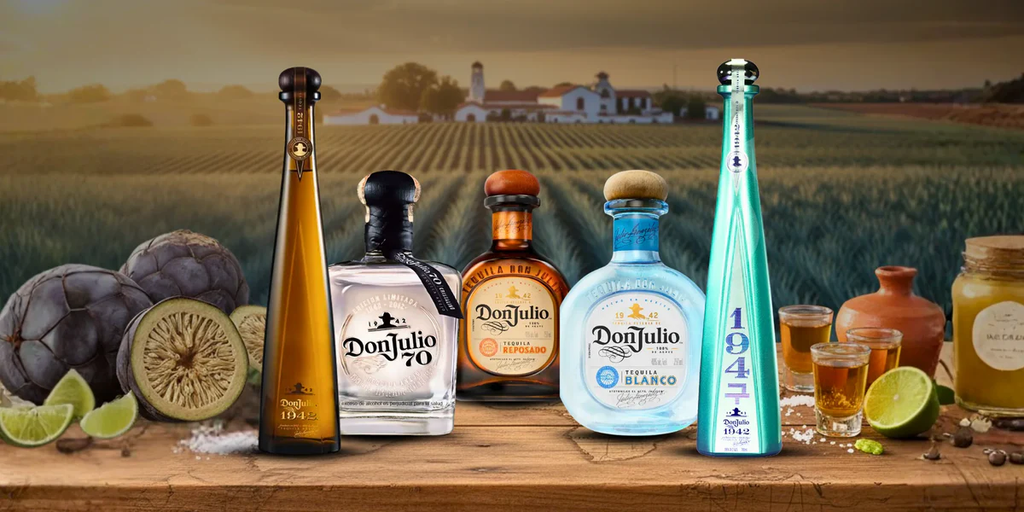
Tequila is made from one plant and one plant only: Blue Weber Agave – a blue-green agave variety grown on the dry, rugged terrain of Jalisco, Mexico.
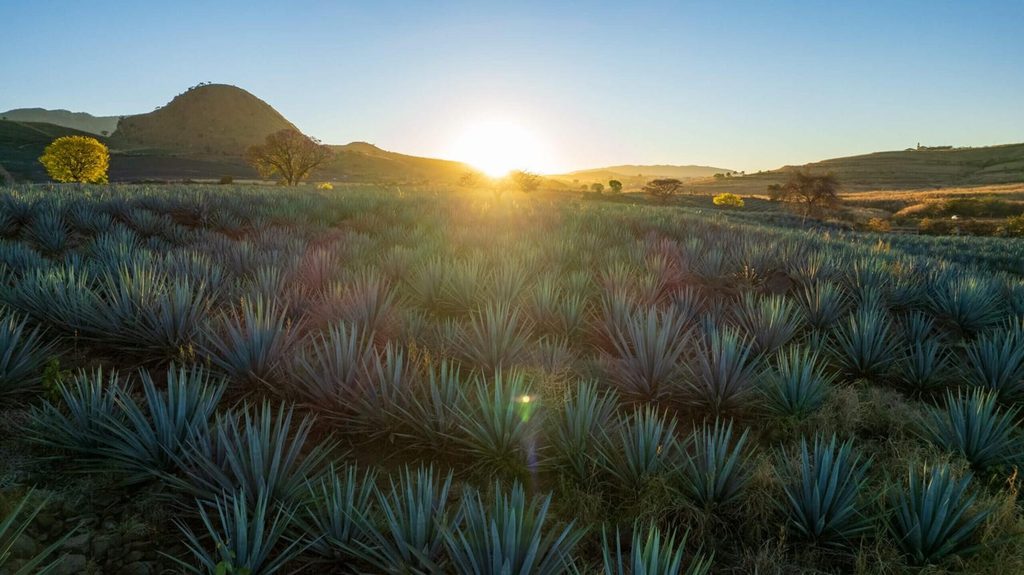
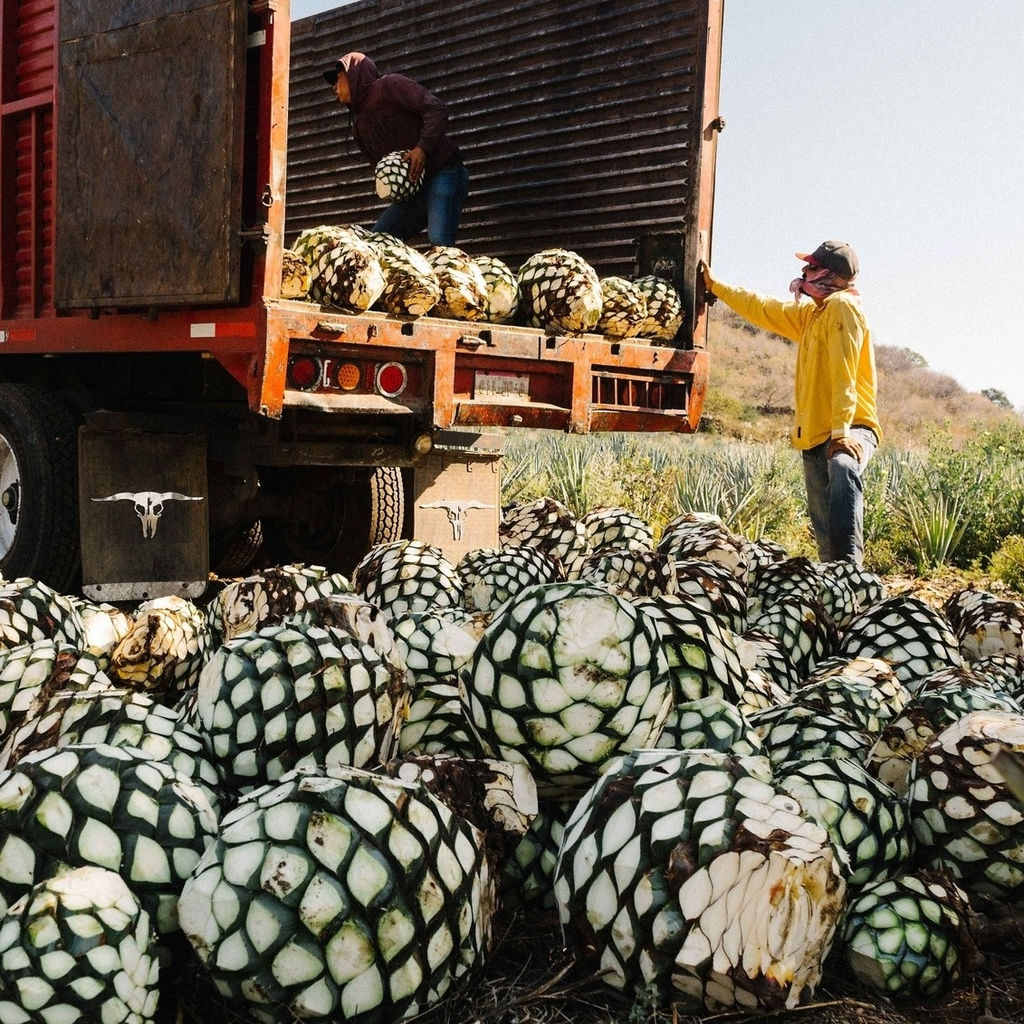
From the outside, agave looks like an oversized cactus, with thick, pointed, spike-edged leaves. But hidden deep inside that hard exterior is a core called the piña – named so because it looks exactly like a giant pineapple, weighing anywhere from 50 to 100 kilograms.
And this is what makes agave unlike any other ingredient in the world of spirits: a single agave plant needs exactly 10 years to mature – and dies immediately after it is harvested. Every bottle of tequila is, quite literally, the death of a plant that spent a decade growing. No other spirit in the world has an ingredient this costly in terms of time.
A Drink for the Gods
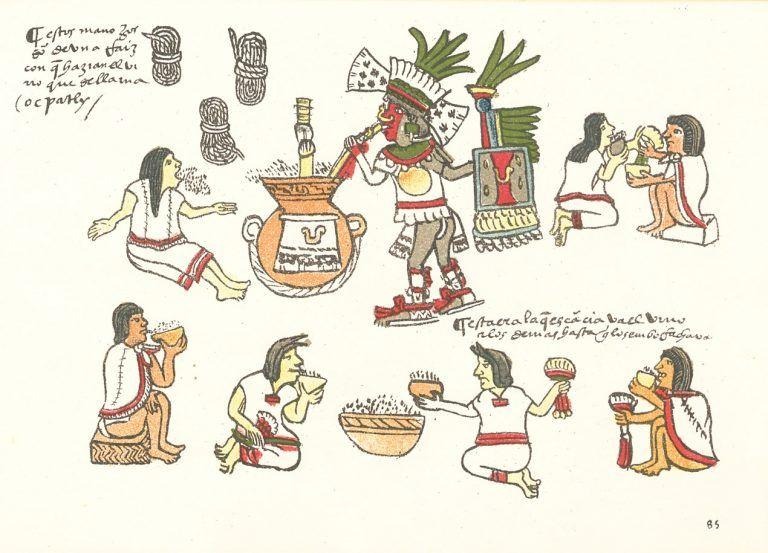
Thousands of years before tequila existed, the Aztecs already had a relationship with agave – a very different one.
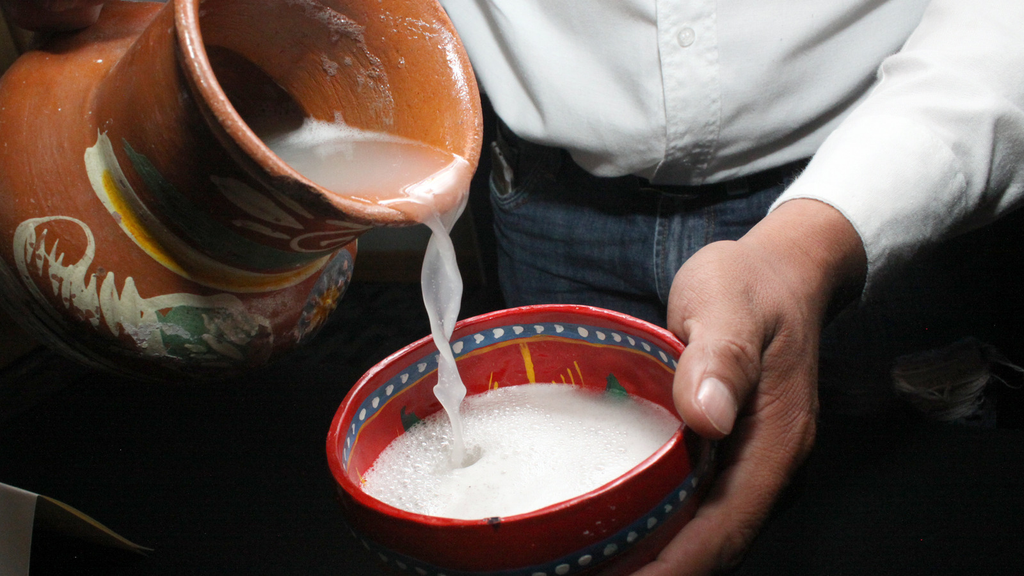
They extracted sap from the plant and allowed it to ferment naturally into a cloudy, mildly alcoholic liquid called pulque. But pulque was not for everyone – it was reserved for religious ceremonies, accessible only to priests, warriors, and the nobility. The agave plant itself was venerated through the goddess Mayahuel – the symbol of fertility and abundance in Aztec belief.
From the very beginning, agave was never just an ingredient. It was a drink for the gods.
From Field to Bottle – A Journey of Ten Years Plus a Few More Months
To reach the precious core of the agave plant, you need a jimador – a traditional agave harvester whose knowledge passes from father to son. They use a specialized tool called a coa – something like a round-bladed hoe – to separate the piña from the plant. There is no school that teaches the jimador trade. It is learned by hand, and by years spent out in the fields.
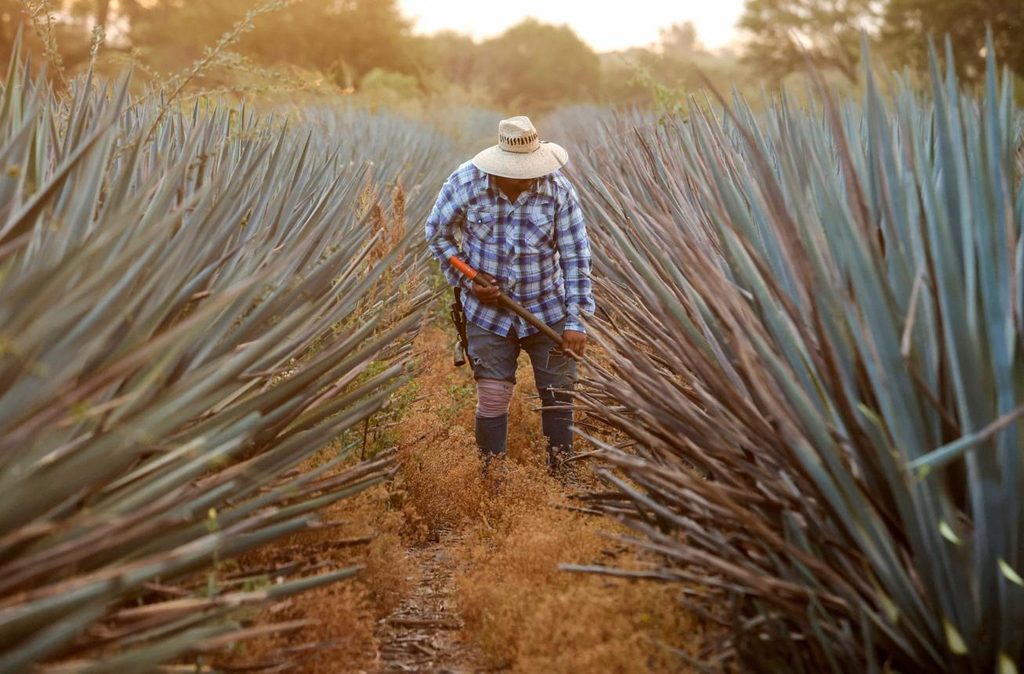
Before tequila ever reaches your lips, there is a man who spent his whole life learning a single plant.
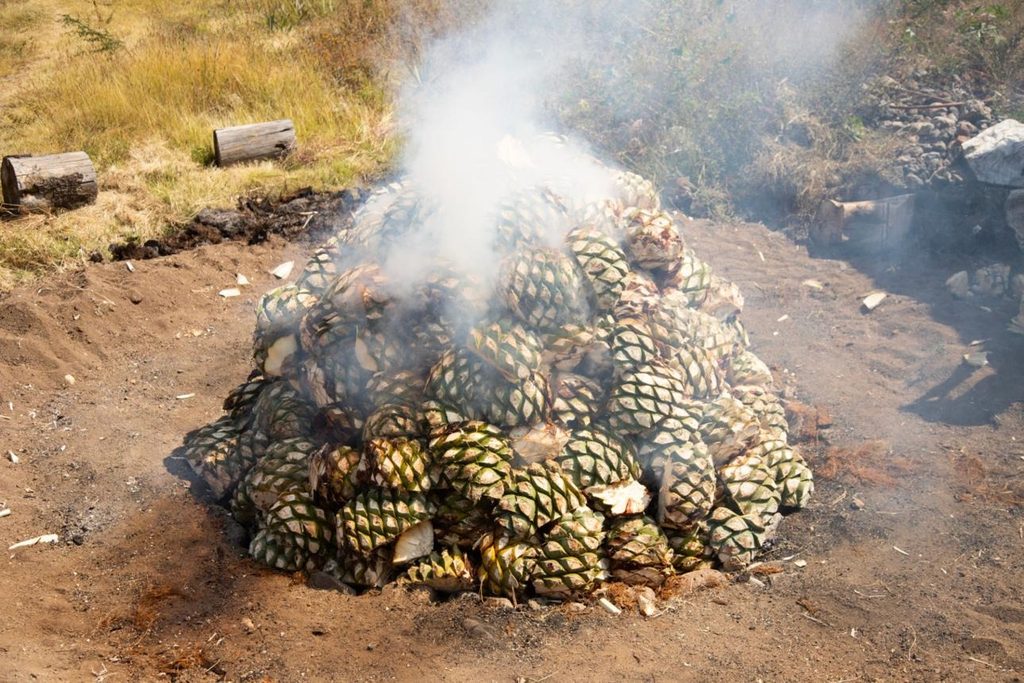
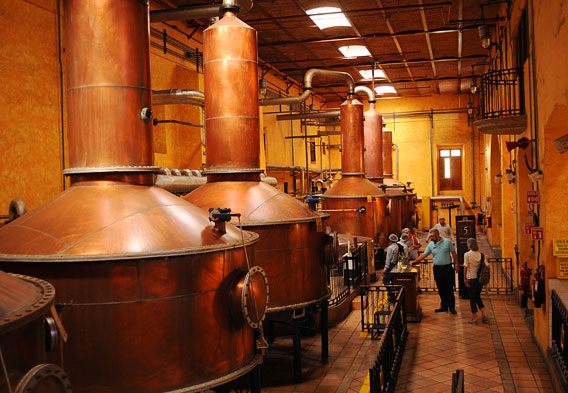
After harvesting, the piña is placed in an oven or an earthen pit to convert its starches into sugars. It is then pressed for its juice, fermented, and distilled. Depending on how long it rests in oak barrels, tequila takes on different characters: Blanco – clear, bottled immediately after distillation; Reposado – aged between 2 and 12 months; Añejo – aged over a year, amber in color, deeper and more complex in flavor.
Same Plant, Different Land – Completely Different Result
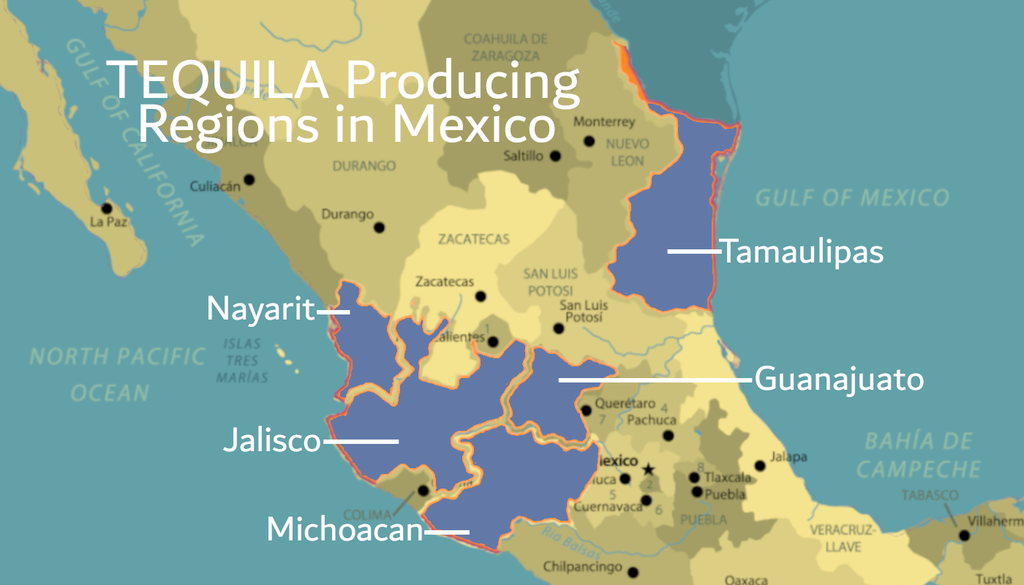
Not every part of Jalisco produces the same tequila.
Agave grown in the highlands – cooler temperatures, volcanic soil – yields flavors that are fruity, bright, and lighter. Agave from the lowlands – warmer, with alluvial soil – produces something earthier, more herbaceous, and more assertive. Same species, different land, entirely different result.
Just as wine has terroir – so does tequila. Every bottle carries the character of the exact soil that raised it.
Why Salt and Lime?
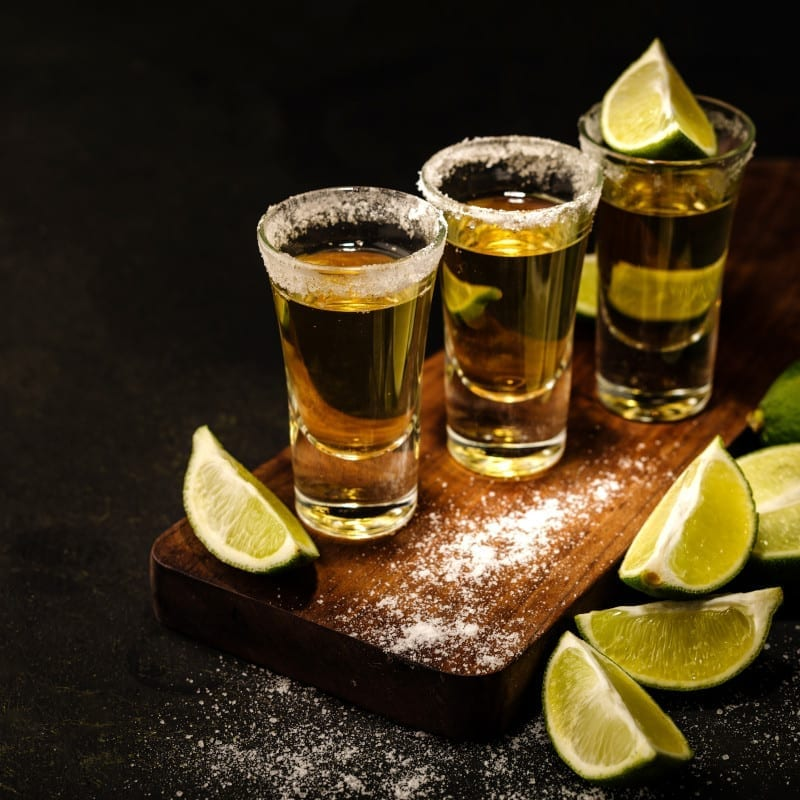
The most familiar tequila ritual – lick the salt, take the shot, bite the lime – is not actually a traditional Mexican custom.
The most widely told story goes like this: in the early 20th century, when the Spanish flu swept through Mexico, doctors recommended tequila with salt and lime as a form of… prevention. The medical benefit was never proven. The habit, however, never left.
A more practical explanation: tequila quality was inconsistent in those days, and many batches were harsh and rough-edged. Salt numbs part of the palate, lime masks the heavy burn of alcohol, and together, the three created an experience palatable enough for people to keep drinking.
Today, with quality tequila, the proper way to drink is usually neat or in a well-balanced cocktail – to fully experience the flavor of the 10 years that agave plant spent growing.
The People Who Built the Foundation
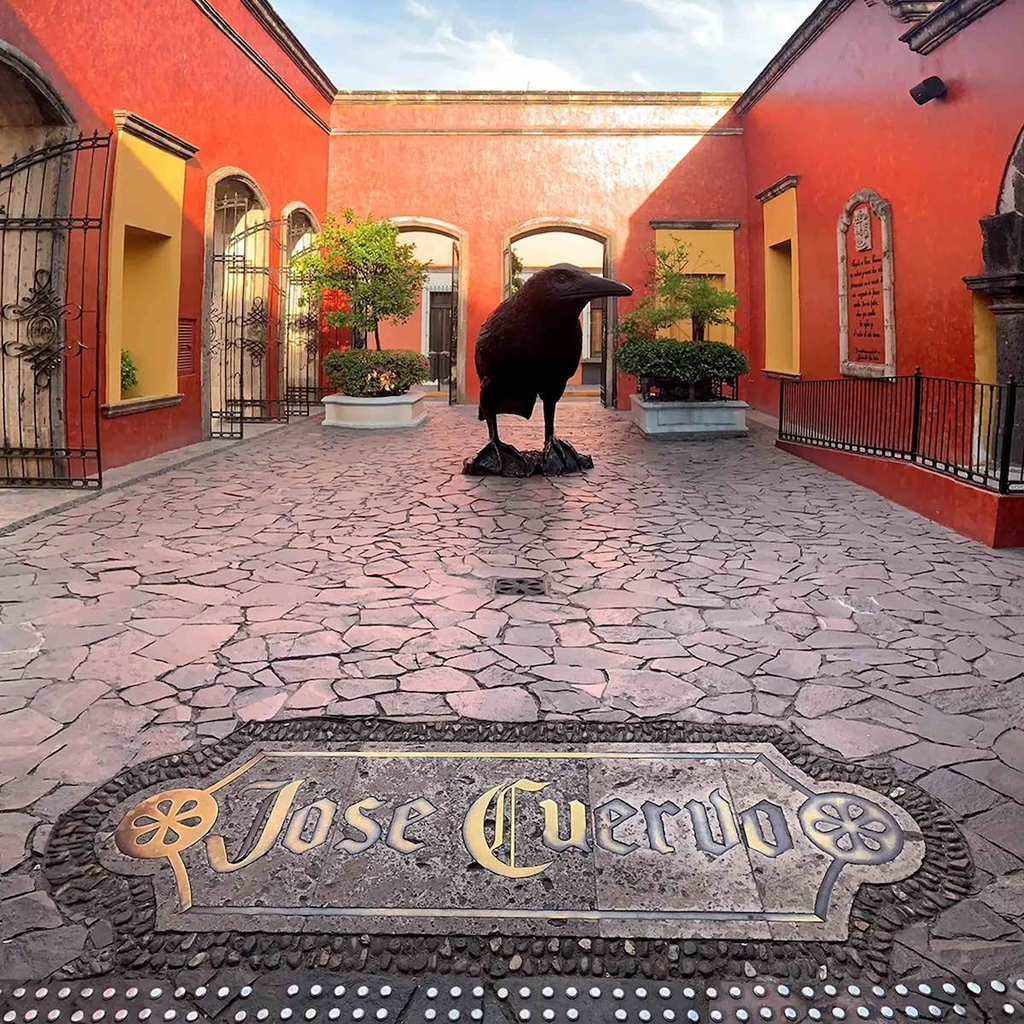
In the 17th century, Don Pedro Sánchez de Tagle was the first to bring agave spirit production to a genuine commercial scale – enough for history to call him the “father of the tequila industry.” In 1758, José Antonio de Cuervo received the right to cultivate agave from the Spanish crown, establishing what would become the oldest distillery in the Americas – the foundation of the José Cuervo brand that still exists more than 250 years later. Then in the late 19th century, Don Cenobio Sauza standardized the blue agave variety as the sole permitted ingredient and became the first to export tequila to the United States, defining the spirit in its modern form.
Three people, three centuries, one plant, and a billion-dollar industry built from it.
From a Small Town to a Billion-Dollar Table
In 2017, George Clooney sold his tequila brand Casamigos for one billion dollars – a brand he originally created just to drink with friends.
That is perhaps the most concise way to grasp how far tequila has traveled. From agave sap in an Aztec ceremony, through Spanish hands, to century-old distilleries and billion-dollar deals in Hollywood – that journey took more than 400 years.
Today, tequila is more than a spirit. It is a cultural symbol of Mexico, a testament to the power of terroir, and one of the most remarkable repositioning stories in the drinks industry: a product once dismissed, reduced to the cheap image of shots – that quietly rebuilt itself into a global icon.
Yet whether it becomes the product of a billion-dollar industry or the sacred drink of the gods, one thing has never changed – a single agave plant still needs exactly 10 years to grow. And that is a plant that carries within it the quiet cost of time.

Gia Lĩnh (Sâu) is a bartender and storyteller exploring the world of spirits, cocktails, and bar culture. To him, every drink is more than just a recipe; it carries history, human connections, and values preserved through time. Through his writing, Lĩnh hopes to bring these stories closer to communities passionate about food and beverages.