At precisely 00:01 on the third Thursday of November, bistro doors in Paris, wine bars in Tokyo, New York, and even Saigon echo with a familiar French phrase:
“Le Beaujolais Nouveau est arrivé!” (“The new Beaujolais has arrived!”)
In a wine world renowned for its diversity, complexity, and vintage bottles aged for years in dark cellars, Beaujolais Nouveau stands as a delightfully spontaneous exception – requiring no oak aging, no long cellaring, and demanding no complex analytical palate from the drinker.
What is it that makes the entire world eagerly anticipate a vibrant red wine that finishes fermentation just a few weeks after harvest?
From Harvesters’ Drink to Global Phenomenon
Beaujolais is a sub-region located in southern Burgundy, France, homeland of the thin-skinned Gamay grape variety. According to local tradition, Beaujolais Nouveau originally began as a youthful red wine (vin de l’année) consumed promptly to celebrate the end of the grueling harvest and share joy among vineyard workers after long days in the fields.
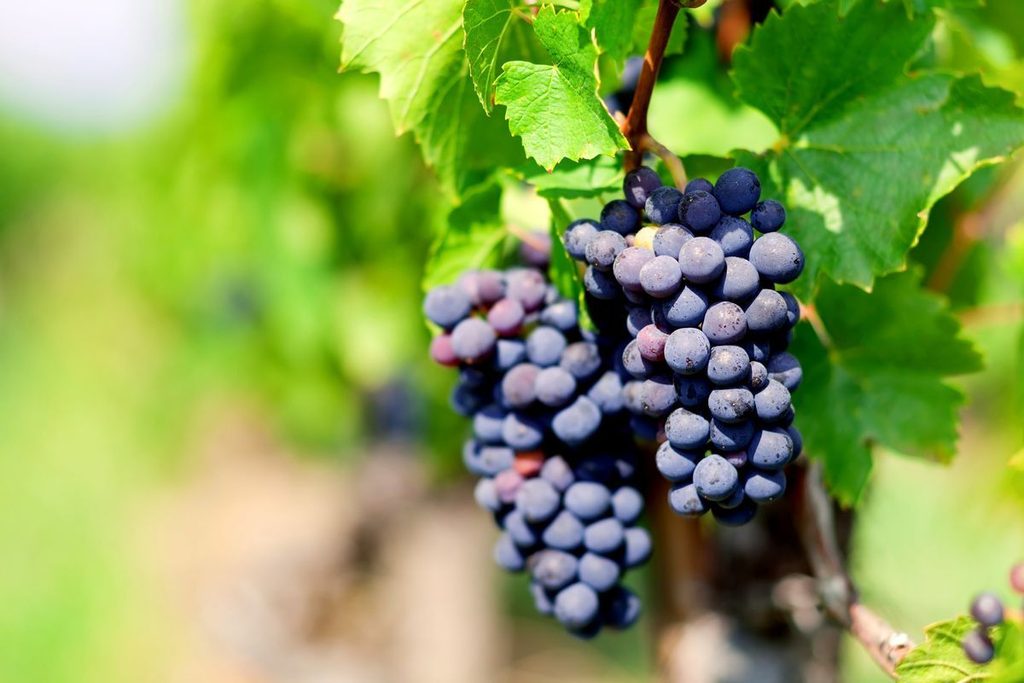
In the early 1960s, local wine producers such as Georges Duboeuf – affectionately dubbed the “King of Beaujolais” – recognized the immense potential of this approachable, fruit-forward wine and pioneered a uniquely creative marketing strategy.
A thrilling international race was born, capturing global media attention: producers raced to ship the very first bottles of Nouveau from Beaujolais to Paris, eventually expanding to the UK, the US, and Asia. Whoever delivered Beaujolais Nouveau into consumers’ hands first claimed victory. Over time, this spirited race was officially codified in 1985, setting the global release date as the third Thursday of November.
The Secret Behind the Magical “Fresh” Profile
Beaujolais Nouveau is much more than just a quaffable wine, it is a masterpiece of winemaking science (oenology) engineered to capture the purest, most pristine fruit expressions just a few short weeks post-harvest.
The core and decisive differentiator setting Beaujolais Nouveau apart from 95% of the world’s red wines lies in its fermentation technique: Semi-carbonic Maceration (widely practiced today).
Instead of feeding the harvested grapes into a crusher-destemmer to separate juice from skins as standard practice dictates, winemakers in Beaujolais hand-harvest whole bunches of Gamay grapes – keeping the stems and individual berries entirely intact – and load them into large fermentation vats.
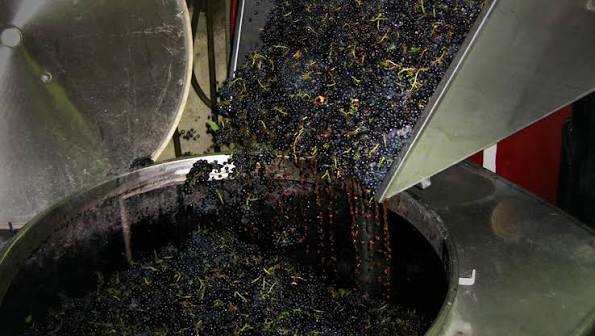
Inside this anaerobic environment, a biochemical marvel unfolds:
- At the bottom of the vat: the weight of the upper layers naturally crushes the bottom grapes, triggering traditional alcoholic fermentation driven by ambient yeasts, which releases natural carbon dioxide.
- At the top of the vat: The intact berries, deprived of oxygen, trigger intracellular fermentation entirely inside the unruptured grape skins. Intracellular enzymes spontaneously convert a portion of sugar into alcohol (reaching roughly 1.5% – 2% ABV) without external yeast intervention. This process drives color compounds (anthocyanins) from the skins into the pulp while synthesizing signature fruit-forward aroma compounds.
After several days of maceration in an anaerobic environment, free-run juice is drawn off from the bottom of the vat, while the remaining grape solids are transferred to a wine press to yield press juice. This juice blend then completes traditional alcoholic fermentation under controlled temperatures in stainless steel vats with the yeasts.
A striking hallmark of Beaujolais Nouveau vinification is its minimalist intervention: the wine undergoes zero oak aging. The explicit objective is to let bright, explosive primary fruit characteristics shine through in their rawest state, unmasked by oak influence, vanilla, or smoke notes.
Given that the timeline from harvest to market release spans a mere 6 to 8 weeks, Beaujolais Nouveau’s structure demands a very specific balance:
- Minimal Tannin Extraction: because Semi-carbonic maceration extracts minimal tannins from the grape skins, the wine’s structural profile is exceptionally supple, smooth, and low in astringency. This allows wine lovers to enjoy it immediately without needing aeration or bottle aging.
- Retaining Natural Acidity: the Gamay grape naturally exhibits high acidity. Skilled winemaking preserves this crisp acidity as the structural backbone of the wine, balancing the sweet fruit notes and delivering an exceptionally refreshing, palate-stimulating finish.
Under French wine law, Beaujolais Nouveau is officially cleared for commercial release at precisely 00:01 on the third Thursday of November. From the subterranean cellars of Beaujolais, millions of bottles embark on a rapid logistical journey to grace global dining tables right at the stroke of midnight.
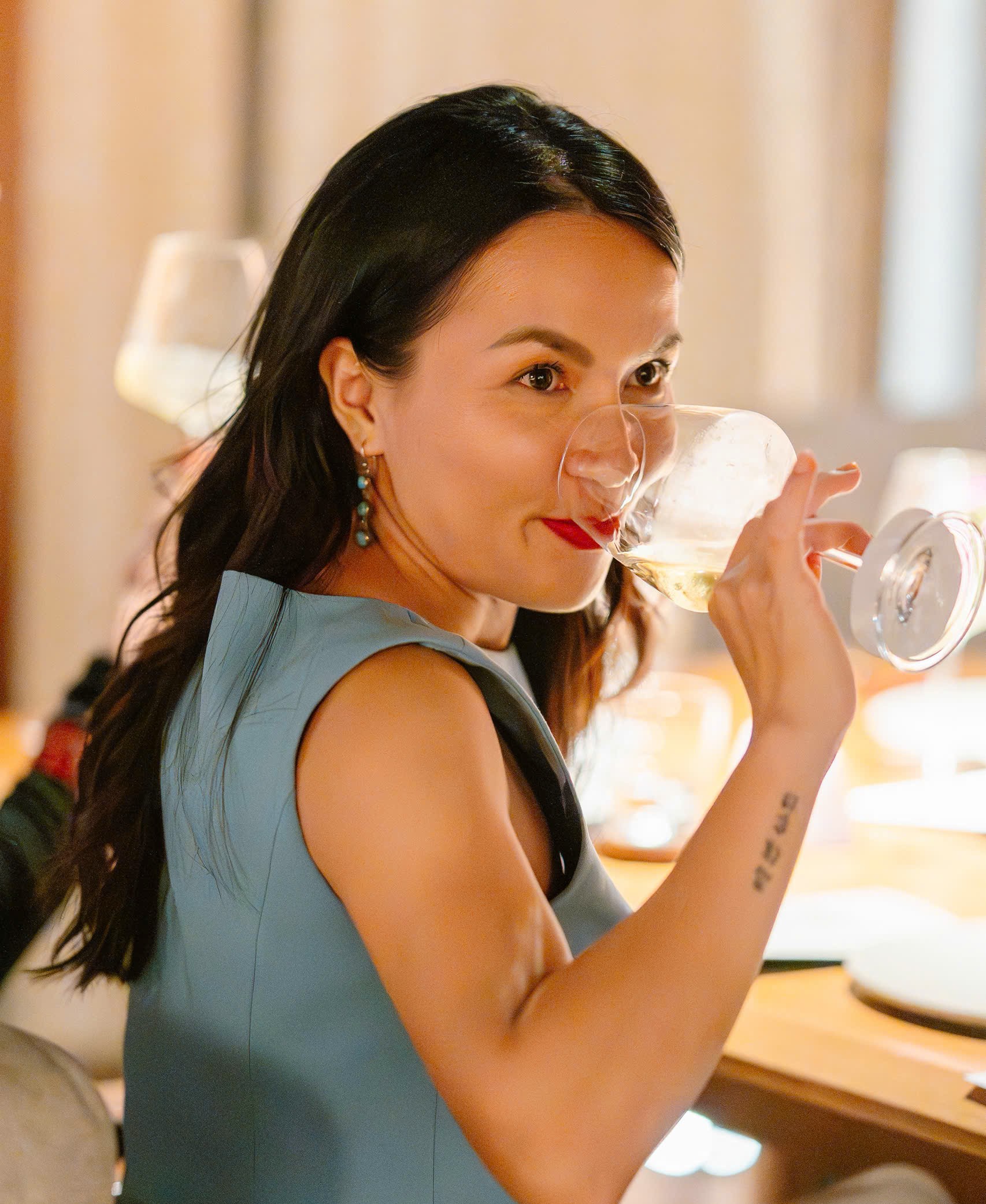
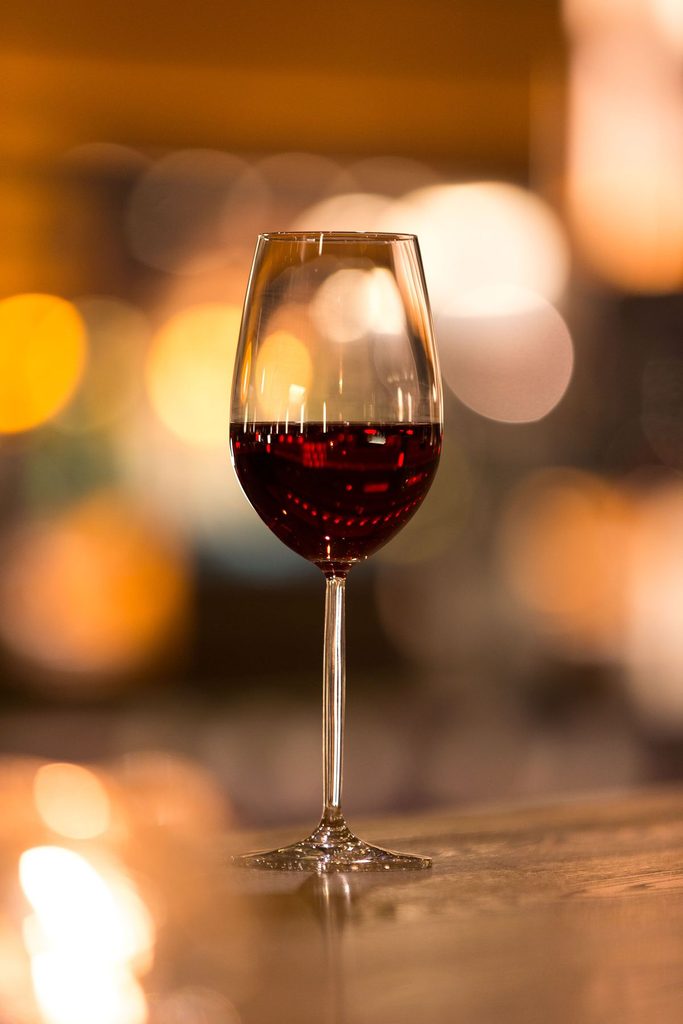
Beaujolais Nouveau is a vibrant, youthful ruby-red color with bright purple highlights. The aromatic profile explodes with layers of fresh strawberries, raspberries, red cherries, underscored by subtle nuances of bubblegum or ripe banana. Served slightly chilled at 12°C – 14°C (53°F – 57°F), the wine reveals a gentle, low-tannin structure with balanced acidity, making it soft, plush, and supremely drinkable.
More Than Just a Glass of Wine: Sharing and Hope
For the global wine community, Beaujolais Nouveau Day is never about professional scoring or competitive rankings. Instead, it serves as a gentle reminder of wine’s most primal, fundamental essence: bringing joy and connecting people.
Amidst the crisp early-winter chill of November, opening a bottle of fresh Beaujolais Nouveau to share alongside cold cuts, artisanal cheeses, or Vietnamese foods like roast duck or grilled chicken creates an indescribably warm sense of togetherness.
Let us welcome this year’s Beaujolais Nouveau season, listening for the joyful clinking of glasses ringing out across the planet, and whispering a quiet reminder to ourselves: A new season has arrived.