If you are fascinated by Japanese culture but have never had the chance to visit Japan, why not begin your journey with a glass of sake? You may be surprised to discover that behind a single glass lies an entire world of history, culture, people and stories that reflect the character of each region.
I have never been to Hiroshima. Yet, through Hiroshima Week organised by Tasu+, and the insights shared by Lê Hưng, a sake educator, I had the opportunity to discover this remarkable region in a rather special way – through its sake, local cuisine and the stories behind its brewing traditions.
Hiroshima – A City of Peace, Memories and Resilience
Located in southwestern Honshu, in Japan’s Chugoku region, Hiroshima is a city of profound historical significance. Today, it is also an appealing destination for its natural beauty, cultural heritage, local cuisine and traditional Japanese architecture.
Hiroshima is perhaps best known for two seemingly contrasting chapters of its history. In 1945, the city suffered the devastating atomic bombing. Yet, in the decades that followed, it rebuilt itself and emerged as a global symbol of peace, resilience and hope.
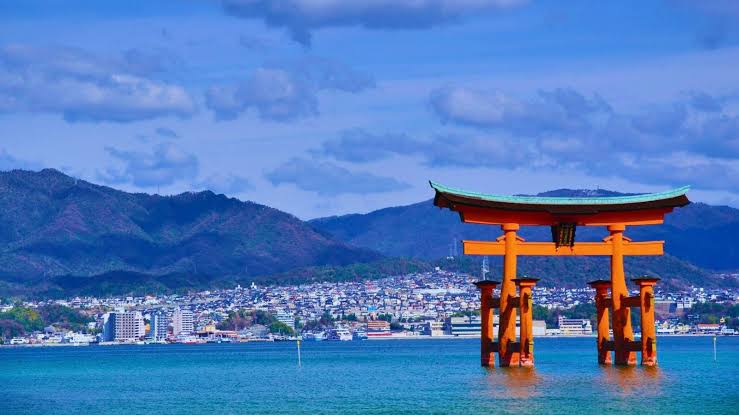
One of the region’s most iconic landmarks is Itsukushima Shrine on Miyajima Island, a UNESCO World Heritage Site. The shrine is famous for its magnificent red torii gate, which appears to float on the sea as the tides rise and fall. More than an architectural landmark, it reflects the traditions of Shinto and the deep-rooted relationship between the Japanese people and nature.
Hiroshima is also closely connected to the maritime culture of the Seto Inland Sea. Its strategic location has long made it an important trading hub, connecting different regions and facilitating the exchange of goods, culture and culinary traditions. Seafood, particularly oysters, plays an important role in local cuisine and has become part of Hiroshima’s distinctive identity.
A friend who has visited Hiroshima once shared an interesting observation with me. Perhaps because it is a port city that has welcomed people from different places for generations, the locals seem more open, cheerful and sociable compared with residents of more traditionally oriented cities such as Kyoto.
Hiroshima – A Turning Point in the History of Japanese Sake
Hiroshima is one of Japan’s three major traditional sake-producing centres, alongside Nada in Hyogo and Fushimi in Kyoto.
This was perhaps one of the most fascinating discoveries for me. What helped establish Hiroshima’s reputation as a sake-producing region began with something that might initially have seemed like a disadvantage: its soft water.
Water plays a crucial role in sake production. Regions with mineral-rich, hard water, such as Nada in Hyogo, have traditionally benefited from minerals that support yeast activity and fermentation.
Hiroshima, on the other hand, is known for its soft water, which contains relatively low levels of minerals. This makes fermentation slower and requires brewers to exercise greater care and precision throughout the process. For local sake producers, it was once considered a significant challenge.
But rather than simply following the methods of more established sake-producing regions, one man chose to find a way that worked with the natural conditions of his own land.
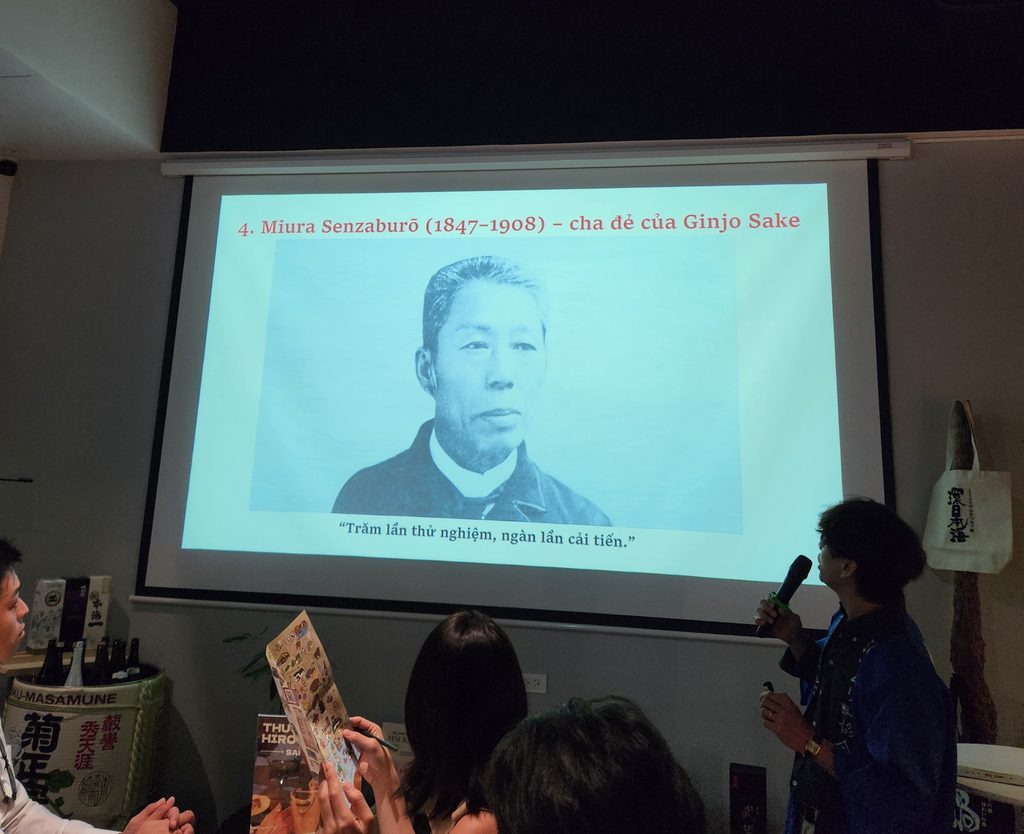
His name was Miura Senzaburo (1847–1908), one of the pioneering figures in Hiroshima’s sake industry. After years of research and experimentation, he developed Nansui Jozoho, a soft-water brewing method. His approach involved careful koji cultivation, temperature control and meticulous fermentation management, enabling brewers to produce high-quality sake using water that had previously been considered difficult to work with.
What I find particularly inspiring about his story is the philosophy behind it. Instead of trying to change nature to resemble somewhere else, he sought to understand and work with what nature had given his region. He did not attempt to make Hiroshima’s water behave like Nada’s. Instead, he developed a brewing method suited to Hiroshima’s own water.
His contribution helped lay the foundations for the development of Ginjo sake in Hiroshima. The region also gained wider recognition at the first National Sake Appraisal in 1907, where Hiroshima sake reportedly received the top two awards.
Sometimes, what appears to be a limitation can become the starting point of a distinctive identity.
Saijo – The Sake Capital of Hiroshima
For sake enthusiasts visiting Hiroshima, Saijo, located in Higashihiroshima City, is a destination worth discovering.
Saijo is one of Japan’s most renowned sake-producing districts. Along Sakagura-dori, or Brewery Street, traditional breweries stand close to one another, characterised by white walls, tiled roofs and distinctive red-brick chimneys. These architectural features have become defining images of the area.
When talking about Saijo, Lê Hưng offered a rather amusing comparison: “The town is only about half the size of Sala in District 2, Ho Chi Minh City, yet you can find a sake brewery on almost every street.”
That simple description gives me a sense of just how deeply sake brewing is woven into the local community.
Every October, Saijo hosts the Saijo Sake Festival, one of Japan’s best-known sake festivals. The event attracts sake enthusiasts and visitors from across the country, with its highlight being Sake Hiroba, where sake from different regions of Japan comes together. It is an opportunity to taste a wide variety of sake, visit historic breweries and discover the local food culture.
Hiroshima – More Than Sake, A Destination for Food Lovers
Another interesting fact about Hiroshima is its reputation as one of Japan’s major oyster-producing regions. Thanks to the favourable conditions of the Seto Inland Sea, Hiroshima oysters are highly regarded and prepared in many different ways – from fresh and grilled oysters to crispy fried oysters and hot pots.
The region is also famous for Hiroshima-style Okonomiyaki, a savoury Japanese pancake made by layering cabbage, meat, egg and noodles, often soba. Another local speciality worth mentioning is Anago Meshi, rice served with grilled sea eel, particularly popular around Miyajima.
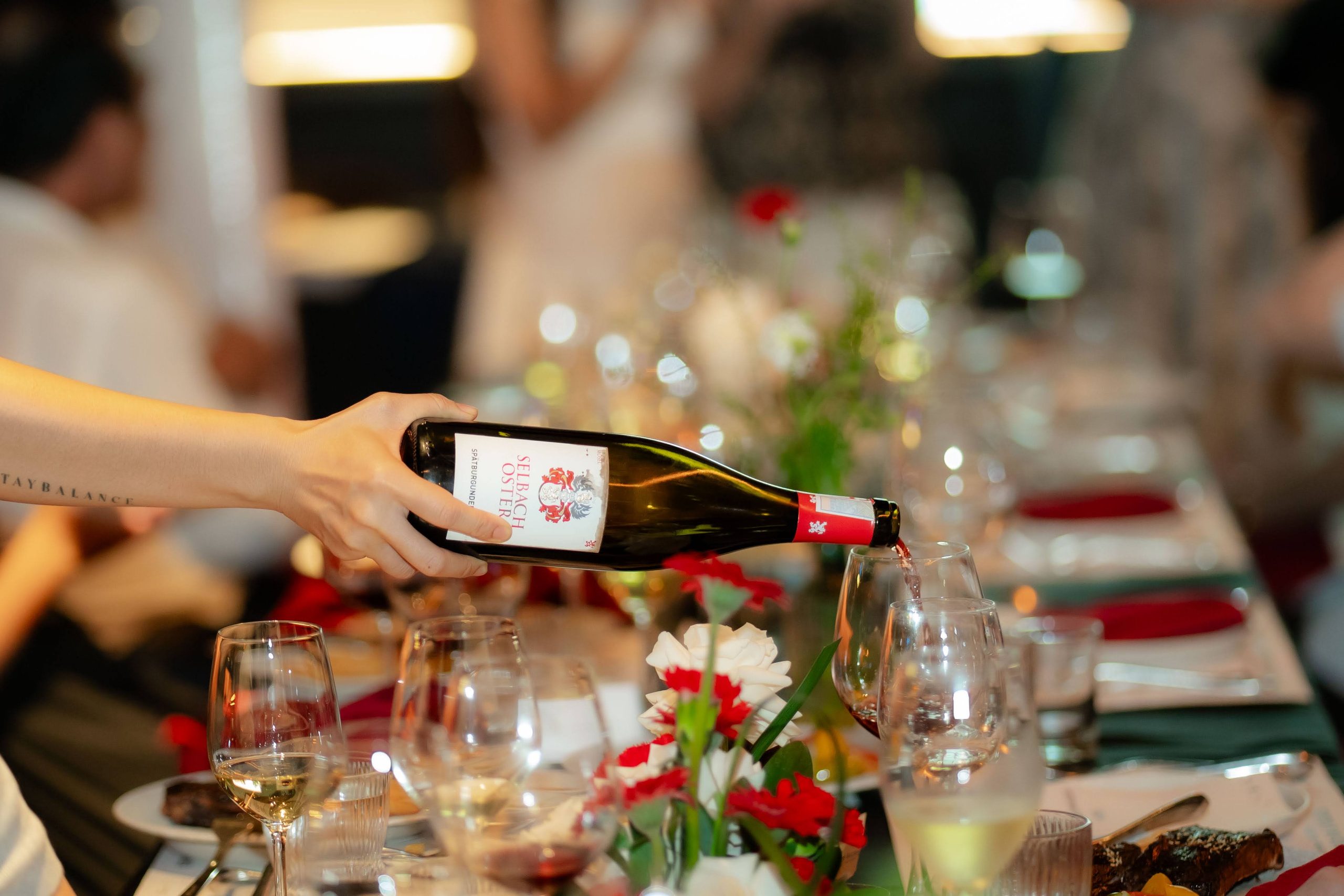
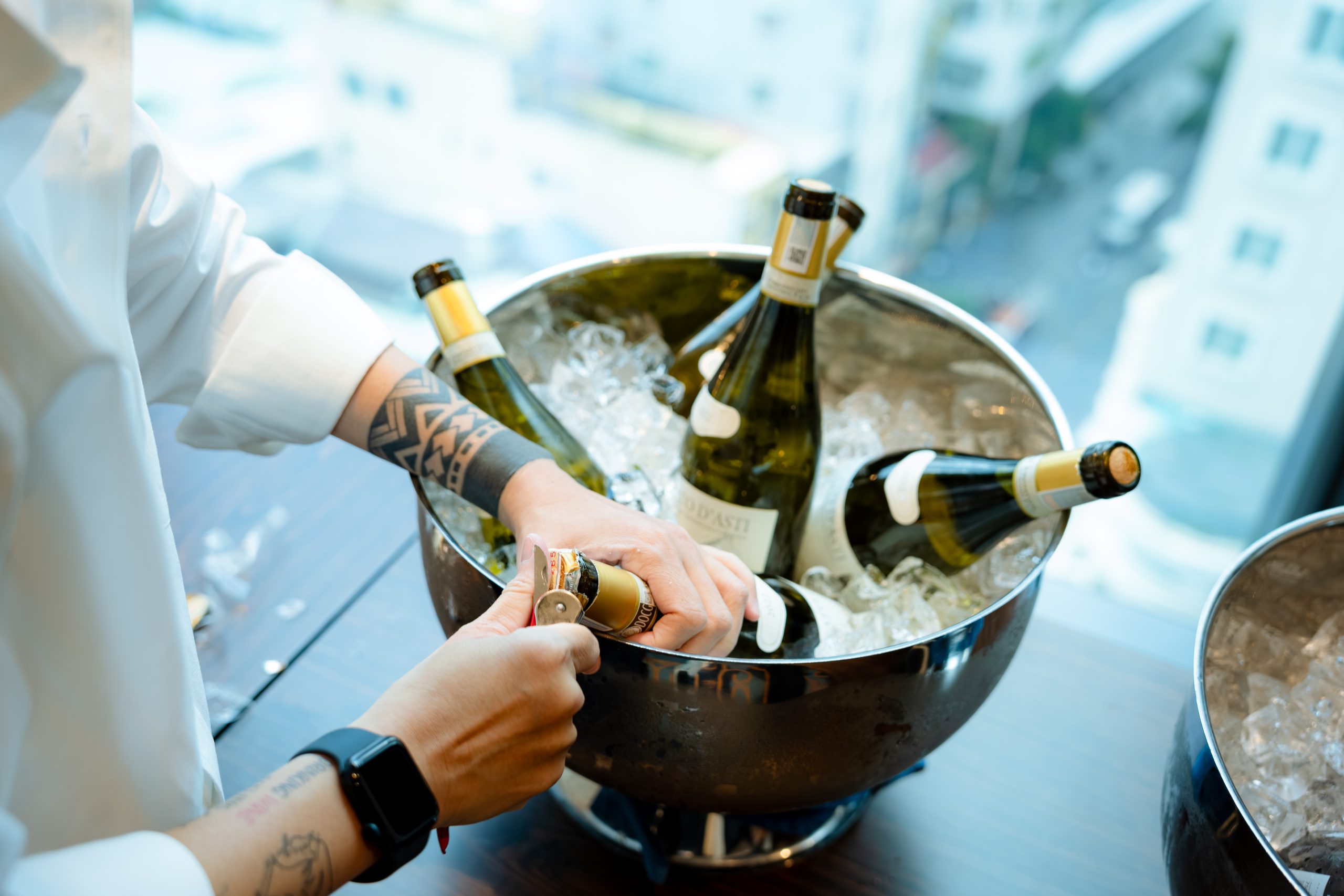
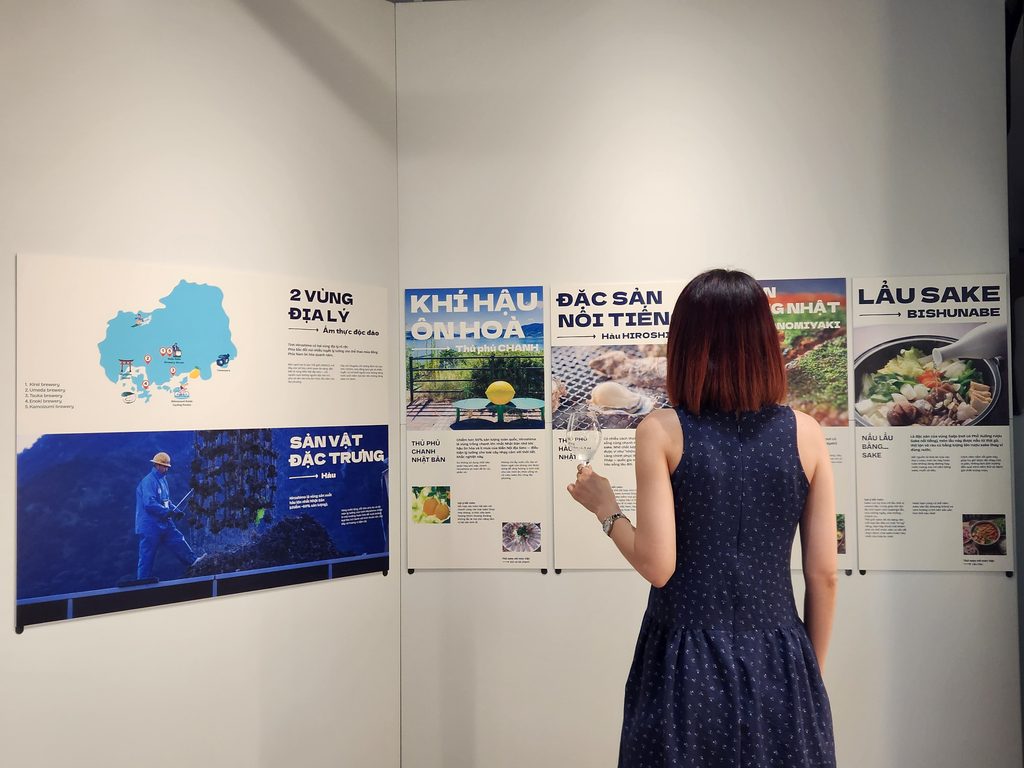
Today, I had the opportunity to experience Hiroshima sake paired with local cuisine at Tasu+. It was a wonderful way to appreciate the connection between a region, its local ingredients and its drinking culture.
The more I learn about sake, the more I realise that every producing region has its own story to tell. Perhaps one of the most rewarding ways to understand a place is not only to visit its famous landmarks, but also to sit down, enjoy a local dish, sip a glass of sake and listen to the stories behind it.
And for me, Hiroshima is a fascinating story that I have only just begun to discover.

Phuong Maxy began her journey as a storyteller, sharing untold stories about people in the wine industry on her personal blog. She also contributes to international publications, bringing perspectives from Vietnam’s emerging wine culture to a global audience.
With over 10 years of experience in wine marketing and communications, Phuong is passionate about connecting people, culture, and knowledge through the world of food and wine.
Her work has been recognized as one of the Top 50 Influential Women and awarded Writer of the Year by Women in Wine & Spirits Award 2025.