There are wine regions whose names speak for themselves, requiring no introduction. Bordeaux is certainly one of them. Its historic châteaux, prestigious estates, Grand Cru Classé classifications and remarkable heritage have secured its place as one of the most iconic wine regions in the world.
Yet behind the prestige of its traditions, Bordeaux is facing a different reality: markets are changing, consumers are evolving, and the climate is no longer what it used to be.
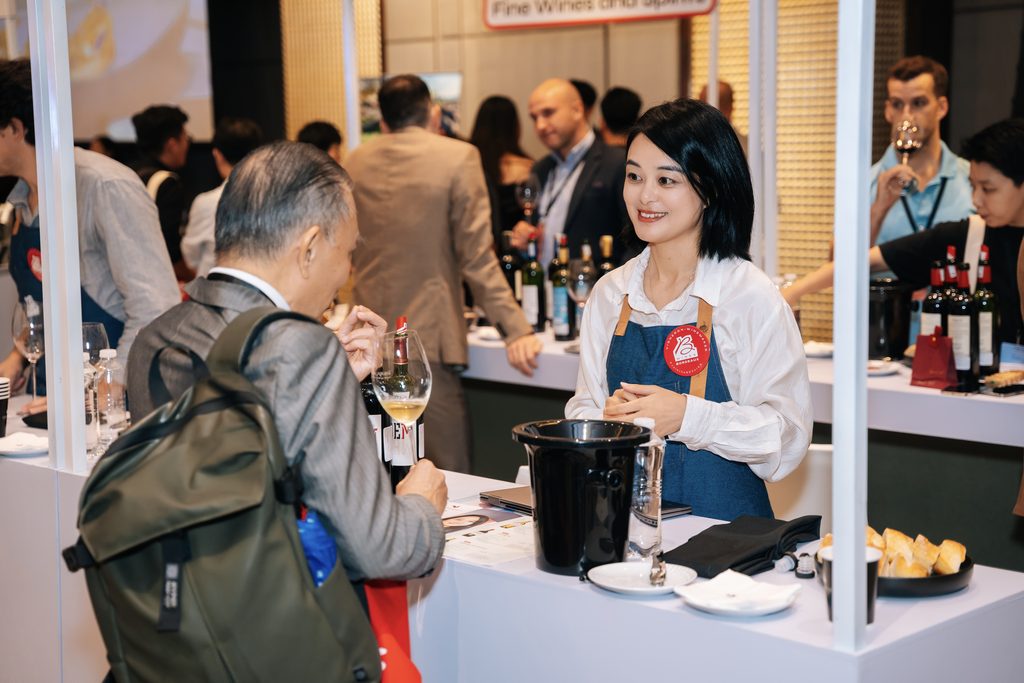
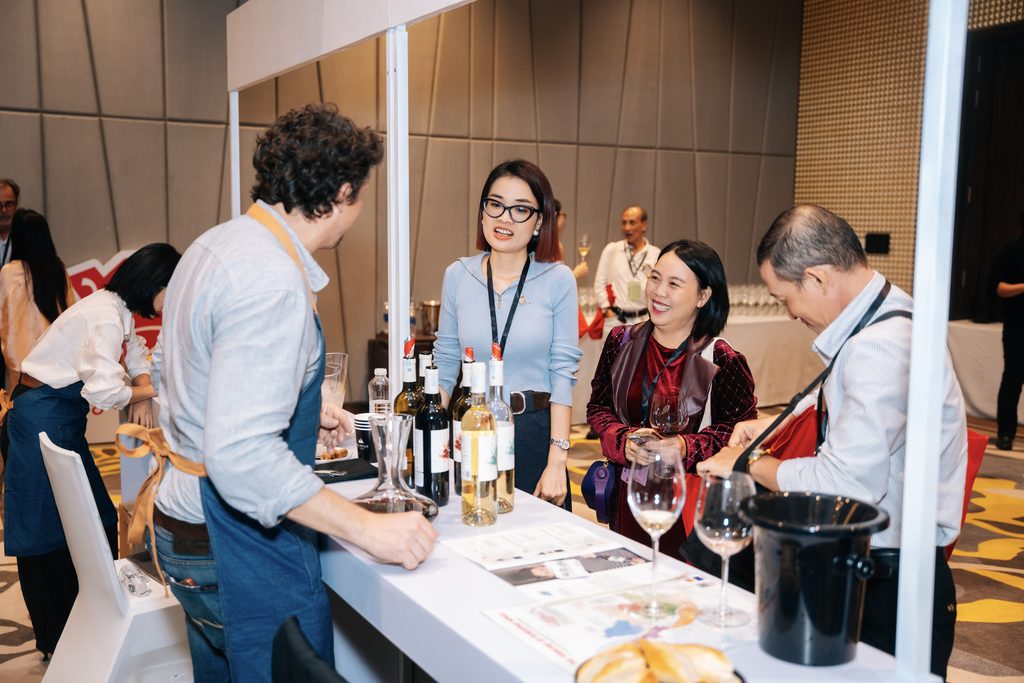
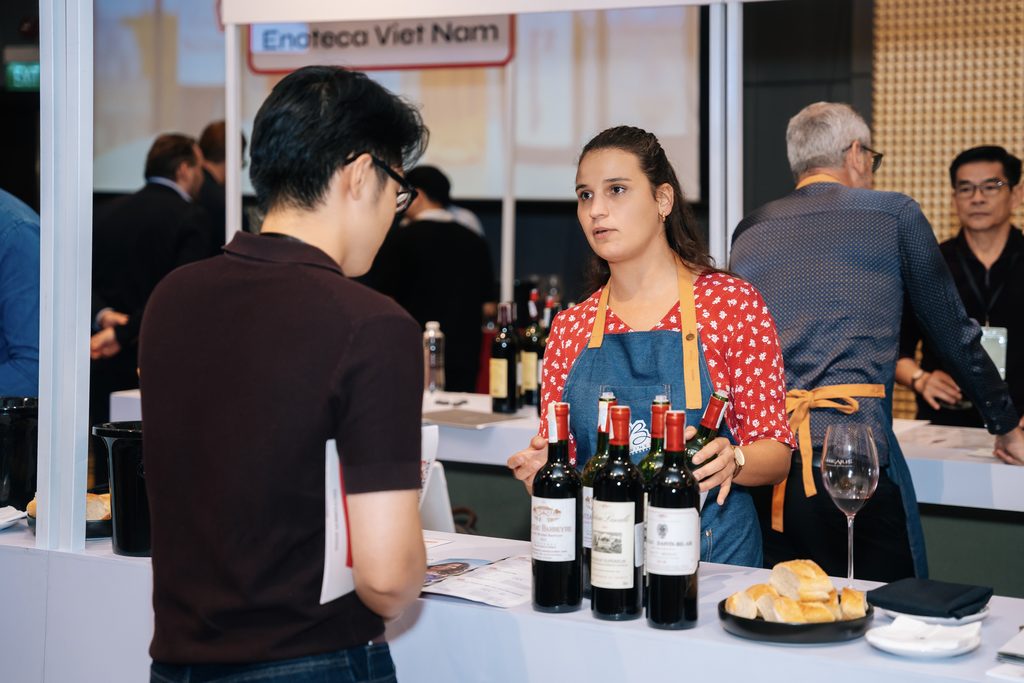
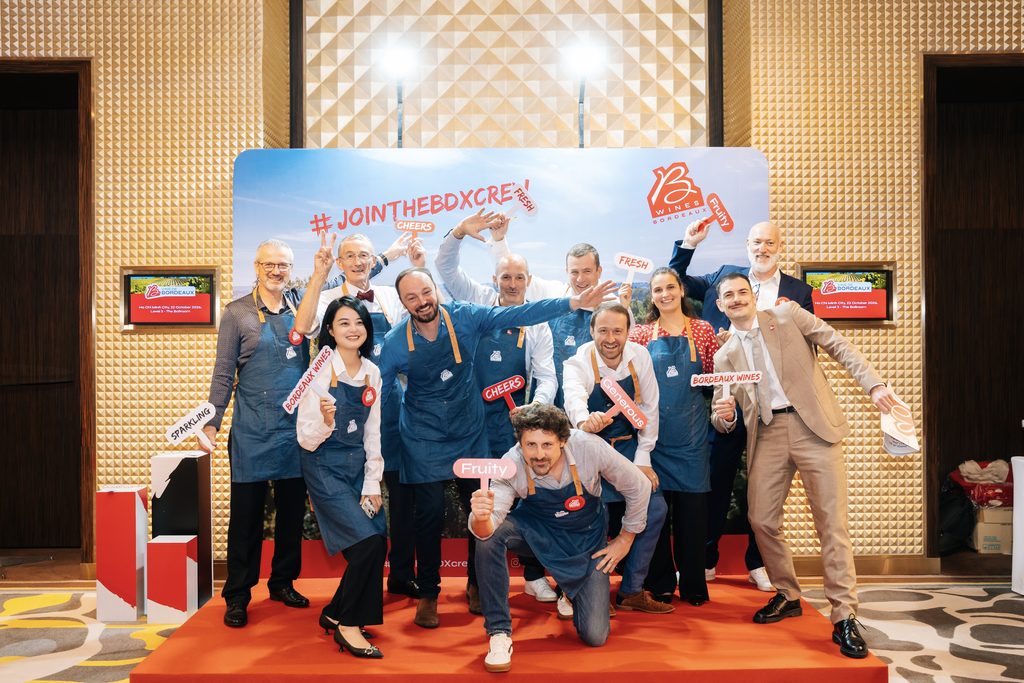
On October 22, I had the opportunity to attend Bordeaux Experience, an event organised by Vins de Bordeaux for the first time in Vietnam. It was a special occasion for this legendary wine region to share a new chapter of its story with the Vietnamese wine community.
When Market Shifts and Climate Change Put Pressure on Bordeaux
According to the International Organisation of Vine and Wine (OIV), global wine consumption in 2025 was estimated at 208 million hectolitres, down 2.7% from 2024 and reaching its lowest level since 1957.
This reflects more than a temporary market fluctuation. Consumers are becoming increasingly health-conscious, exploring a wider range of beverages and seeking experiences that better fit their changing lifestyles.
For Bordeaux, where red wine has traditionally played a dominant role, these shifts present a significant challenge.
According to DRAAF Nouvelle-Aquitaine, Gironde – the administrative department encompassing most of Bordeaux’s wine-producing area – had 91,543 hectares of productive vineyards in 2025, a 9% decrease compared with the previous year. Between August 2023 and May 2026, approximately 21,000 hectares of vineyards were uprooted, including both areas covered by government-supported programmes and those removed independently by growers.
Behind these figures are stories of people. In 2024, the viticultural workforce in Gironde stood at 42,565, down 15% from 2019. The number of wine-producing businesses employing workers also fell by 18%, to approximately 3,000.
Not everyone leaving the industry does so for the same reasons. However, many families and producers are now facing difficult decisions about the future of their vineyards, their assets and livelihoods that have been passed down through generations.
Innovation in the Vineyards: From New Grape Varieties to Rediscovering Heritage
One of Bordeaux’s most notable responses has been its willingness to research and experiment with grape varieties that may be better suited to changing climatic conditions.
In 2021, France’s National Institute of Origin and Quality (INAO) approved six additional grape varieties with potential benefits for climate adaptation under the Bordeaux AOC and Bordeaux Supérieur AOC frameworks. The four red varieties are Arinarnoa, Castets, Marselan and Touriga Nacional, while the two white varieties are Alvarinho (also known as Albariño) and Liliorila.
Each variety brings different characteristics in terms of growing cycle, ripening time, drought tolerance and acidity retention. Touriga Nacional, originally from Portugal, is known for its late ripening and firm tannic structure. Marselan is a cross between Cabernet Sauvignon and Grenache Noir, while Alvarinho is valued for its natural acidity and fresh fruit character.
The experimental list has since expanded to include varieties such as Vidoc, Floréal, Sauvignac and Souvignier Gris. Their use remains subject to appellation regulations, meaning producers across Bordeaux are not automatically free to plant and blend all these varieties.
Interestingly, Bordeaux is not only looking towards new grape varieties. The region is also rediscovering ancient varieties that have long been part of its history.
Petit Verdot is one example. Once representing only a small proportion of Bordeaux vineyards, this late-ripening variety is attracting renewed attention in a warmer climate. Its planted area in Bordeaux increased from 375 hectares in 2000 to 1,093 hectares in 2018. With its deep colour, firm tannins and distinctive spicy character, Petit Verdot brings additional depth and complexity to Bordeaux blends.
Alongside grape varieties, environmental commitments are becoming increasingly important. According to Vins de Bordeaux, more than 75% of Bordeaux’s vineyard area was covered by environmental certification programmes in 2024, compared with 35% in 2014.
Initiatives such as organic farming, maintaining vegetation cover, planting hedgerows and protecting habitats for pollinators demonstrate a broader understanding of terroir. It is no longer just about soil and climate, but also about preserving the ecosystem that sustains the vineyards.
Bordeaux Is Opening Up New Ways to Enjoy Wine
Change is not happening only in the vineyards. It is also transforming the styles of wine Bordeaux produces and the ways consumers experience them.
Today, Bordeaux is no longer defined solely by structured red wines that require years of ageing. Dry whites, rosés, Clairet and Crémant de Bordeaux are offering consumers a wider range of choices.
According to DRAAF, the share of red wine production in Gironde has fallen from nearly 90% a decade ago to 83% in 2025, while production of white, rosé and Crémant wines has increased over the same period.
Another interesting development is the introduction of Bordeaux wines into cocktail culture. On its official Bordeaux.com platform, recipes featuring white wines, rosés, Clairet and Crémant are presented as alternative ways to explore the region’s wines.
A glass of Bordeaux no longer needs to be reserved for a formal dinner or accompanied by elaborate wine rituals. It can be part of an aperitif, a casual gathering with friends or a creative cocktail.
This is one way Bordeaux is expanding its drinking occasions, particularly for younger consumers and those who are still discovering the world of wine.
The People Behind Bordeaux Are Writing Its Next Chapter
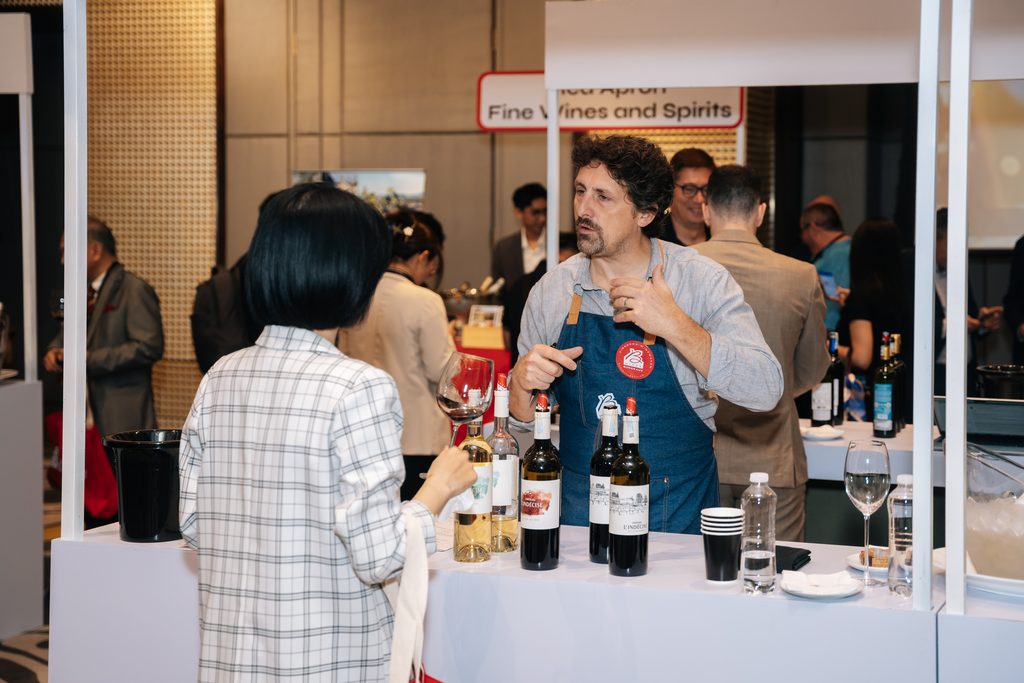
During a masterclass, Sacha Sokoloff, owner of Château L’Indécise, shared his perspective on creativity and winemaking within his estate.
He expressed a philosophy that I found particularly meaningful:
“We want to create open-minded and creative wines that express the terroir of Bordeaux.”
To me, this statement captures an important spirit of change: innovation does not necessarily mean abandoning identity. Winemakers can experiment with new styles and find different ways to connect with consumers while remaining deeply rooted in the land that gives their wines their character.
I have always admired families who have devoted generations to preserving their vineyards. At the same time, I am equally interested in younger winemakers seeking new paths to continue Bordeaux’s story.
They stand at the intersection of family heritage and the need for innovation. The choices they make today will help shape the future of this historic region.
Can Bordeaux Change and Still Be Bordeaux?
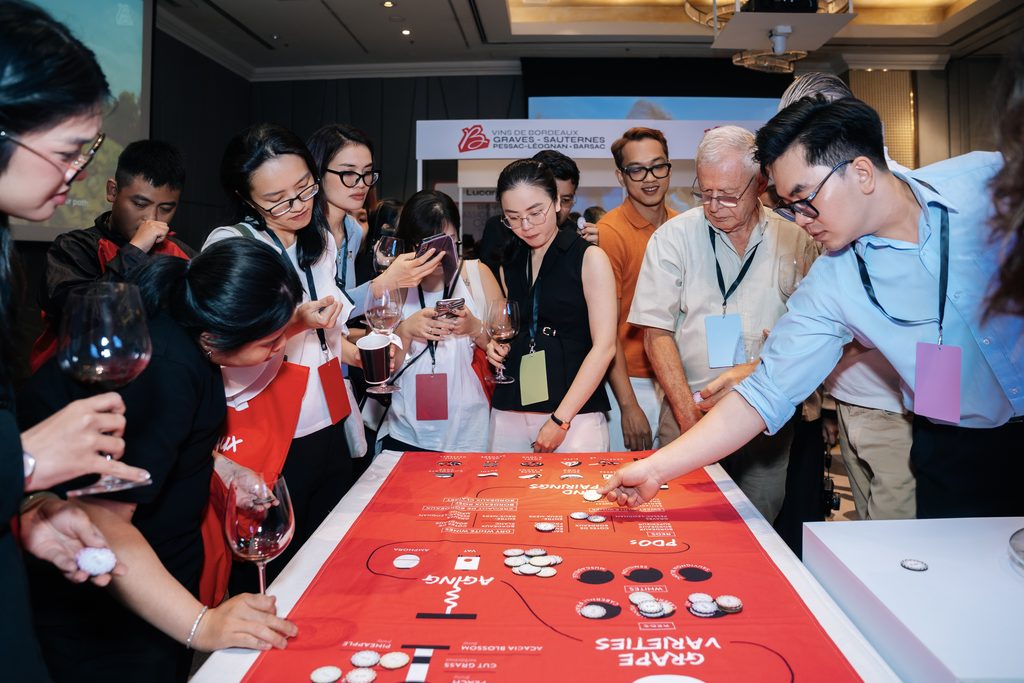
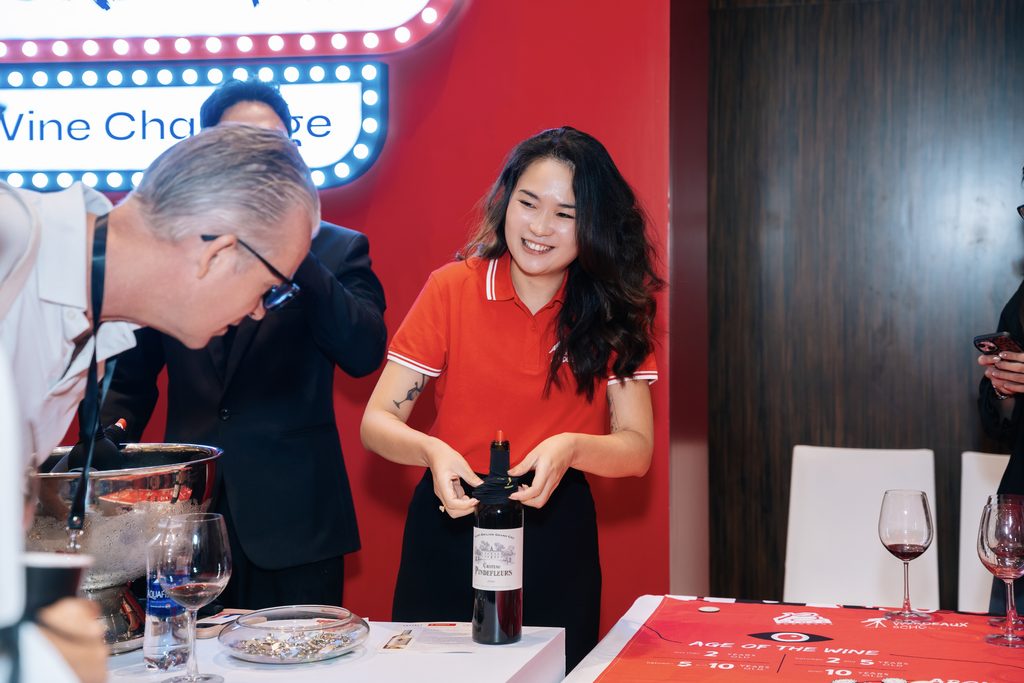
What I found particularly interesting was that Bordeaux’s spirit of innovation was reflected not only in the wines presented, but also in the way Bordeaux Experience was organised. Alongside the wine tastings and masterclasses typically found at wine events, the programme featured engaging challenges and interactive experiences, creating a youthful, dynamic, open and refreshing atmosphere. It offered a glimpse of a new side of Bordeaux that I experienced during this event.
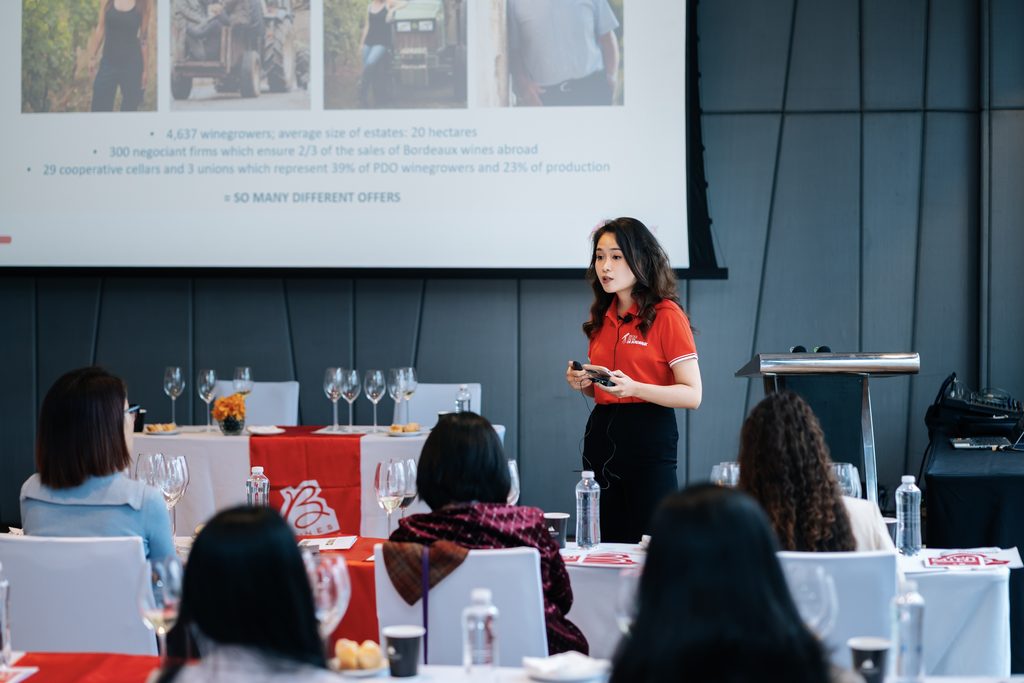
Towards the end of the masterclass, Xuân Vy, the session’s speaker, posed an interesting question to the participants:
“Do you prefer traditional Bordeaux or a more innovative Bordeaux?”
Personally, I find it difficult to choose. I love traditional Bordeaux for its elegance, structure, heritage and the stories that have been preserved through generations. At the same time, I am curious and excited to explore new styles – creative, more approachable wines that offer different ways to enjoy Bordeaux.
Both have their own appeal. One connects us to the history and identity of Bordeaux, while the other opens up a new perspective on the region’s future. Perhaps the beauty of Bordeaux today lies precisely in its ability to make room for both. This was also reflected in Bordeaux Experience itself: a professionally organised and thoughtfully curated wine event, while embracing a fresh, dynamic and inspiring spirit.
Bordeaux is changing. Not to become another wine region, but to remain Bordeaux in a changing world.
Event organizer and Picture: Terroir & Spice