CIEL Dining – a Vietnamese restaurant – has made its mark on the global culinary map by officially being named among the World’s Top 10 Best Restaurants at the Tastemakers Awards 2026, presented by Food & Wine. This is one of the most prestigious rankings in the international F&B industry, based on evaluations from more than 400 experts, including chefs, food critics, and leading travel writers.
In the 2026 edition, Food & Wine placed special emphasis on restaurants that clearly express cultural identity through cuisine where technique, creativity, and storytelling are seamlessly intertwined. In this context, CIEL Dining (Ho Chi Minh City), a one-Michelin-star restaurant, emerged as a standout representative of Vietnam in the Top 10, marking a significant milestone for Vietnamese cuisine on the global stage.
The presence of CIEL Dining is not just about ranking, but also reflects a clear trend: Vietnamese cuisine is being viewed through a new lens, one where local identity, when expressed with enough refinement and modernity, can meet and even surpass the world’s most rigorous standards.
- Top 10 Best Restaurants in the World according to Food & Wine
- Ikoyi (London, UK)
- Maido (Lima, Peru)
- CieL Dining (Ho Chi Minh City, Vietnam)
- Arami (La Paz, Bolivia)
- Potong (Bangkok, Thailand)
- Naar (Darwa, India)
- Botánico (Mexico City, Mexico)
- Roscioli Salumeria con Cucina (Rome, Italy)
- The Lunch Lady (Vancouver, Canada)
- Saint Peter (Sydney, Australia)
Food & Wine (F&W), published by People (USA), is one of the world’s leading culinary magazines. The publication hosts several annual awards, including the Tastemakers Awards. Winning restaurants are selected through a rigorous evaluation process involving over 400 experts, from chefs to travel and food writers. Following the nomination stage, the F&W Global Advisory Board conducts the final ranking.
2. CieL Dining (Ho Chi Minh City) – Vietnam’s New Michelin Star on the Global Culinary Map
CieL Dining’s presence in the Top 10 is not merely an individual achievement, but a reflection of the growing strength of Vietnamese cuisine in the fine dining segment.
Behind the restaurant is Chef Viet Hong, who was formally trained in France before returning to Vietnam to open CieL in early 2024. In just over a year, the restaurant quickly earned one Michelin star, becoming a standout representative of Vietnam’s emerging new wave of gastronomy.
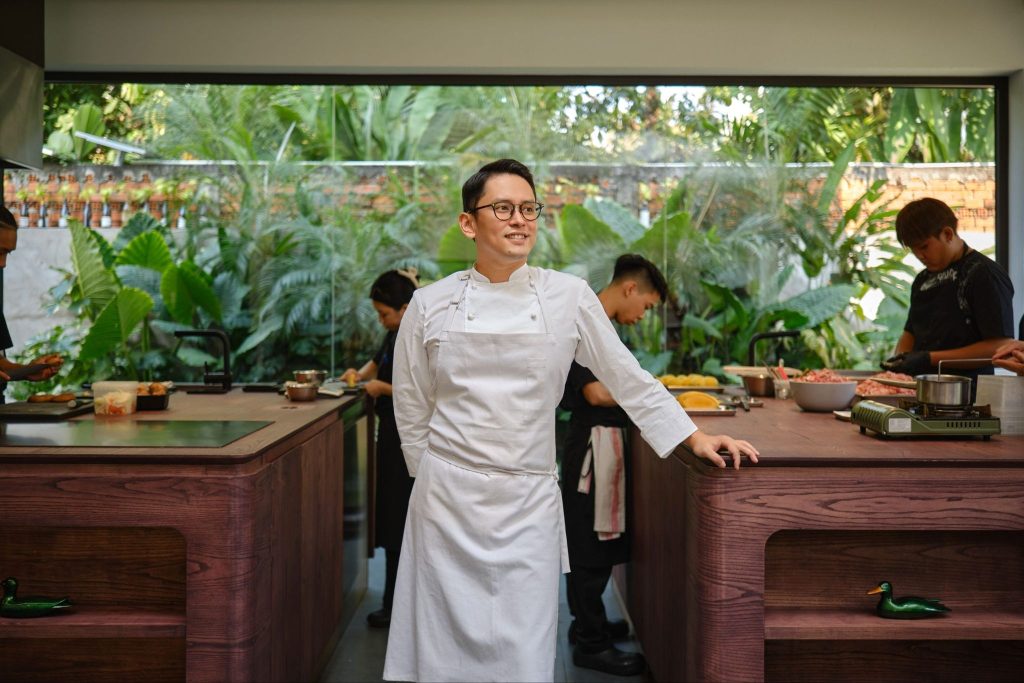
Nestled in a small villa in the quiet Thao Dien neighborhood, CieL offers an intimate dining experience through its evening tasting menu. The space, service, and pacing of the meal are all thoughtfully designed to create a seamless and immersive journey.
Chef Viet Hong’s culinary style strikes a balance between classical French techniques and bold Vietnamese identity. He demonstrates that familiar ingredients from local markets can serve as the foundation for refined, high-end dishes. Seemingly simple pairings such as Chinese kale with foie gras, or ambarella paired with house-made chili salt—are elevated into sophisticated flavor experiences, harmonizing sour, spicy, salty, and sweet notes.
Most of the dishes at CieL draw inspiration from Vietnamese cuisine and its intersections with neighboring cultures. Diners may encounter creative interpretations such as Hue-style fermented tofu paired with dry-aged wild Vietnamese duck, or a modern take on “drunken chicken,” served alongside offal. One of the restaurant’s signature dishes features fish maw, meticulously prepared, stir-fried, and served with a silky custard base.
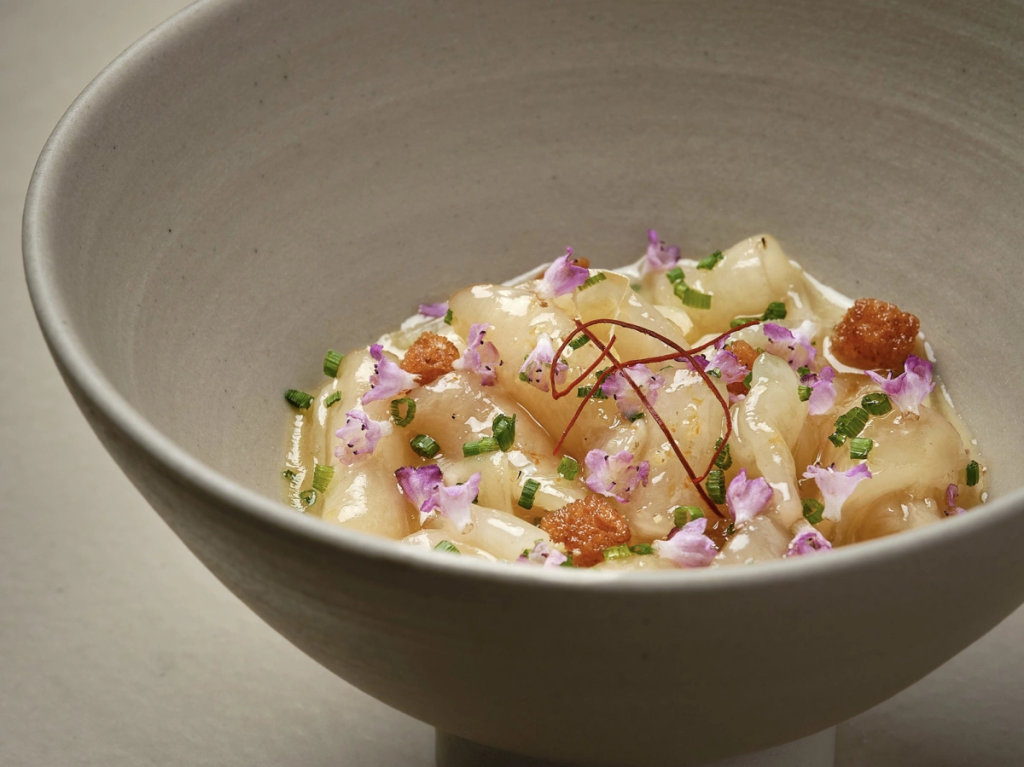
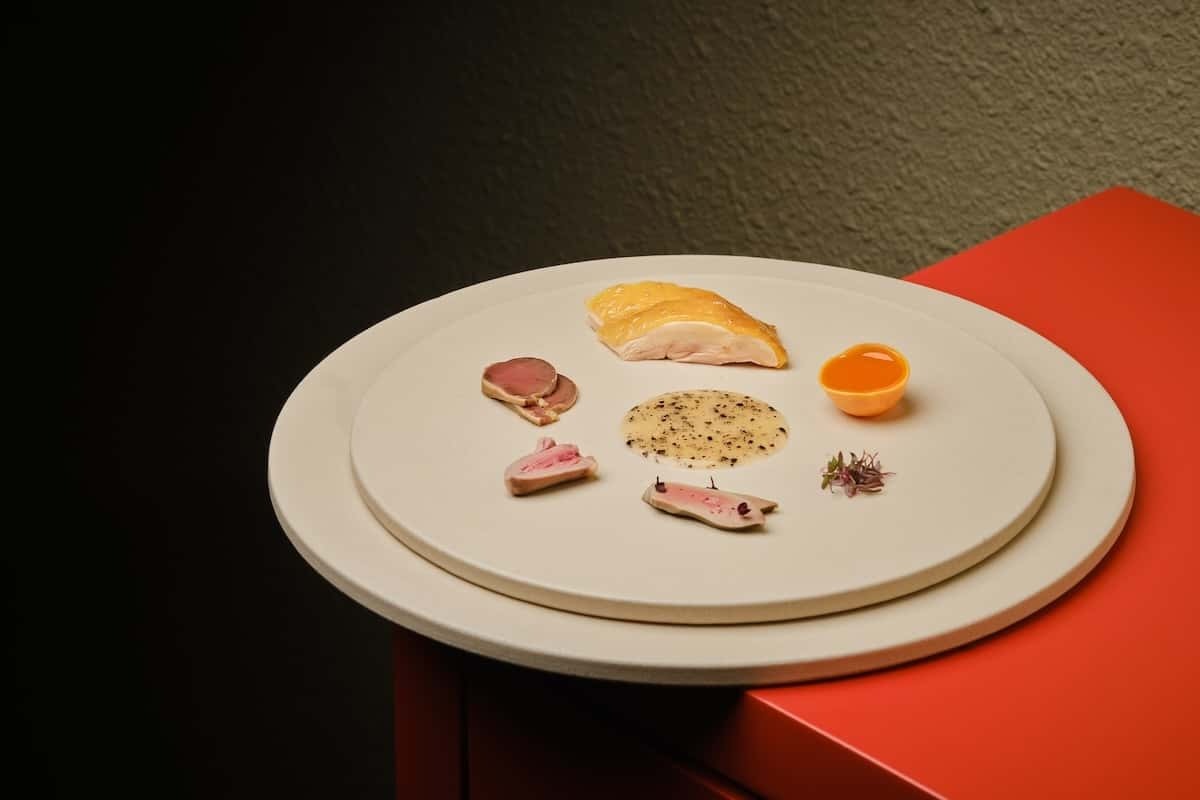
While deeply rooted in local identity, the chef’s French culinary foundation occasionally emerges as a subtle highlight. This can be seen in dishes like pigeon served with miso hollandaise sauce, or petite tarts with seasonal morel mushrooms—details that echo European techniques and sensibilities. Complementing the cuisine is a carefully curated wine list by co-owner Thanh Liem, featuring a strong selection of natural wines that further elevate the overall dining experience.
3. A Turning Point for Vietnamese Cuisine
For decades, Vietnamese cuisine has been recognized globally primarily through its “street food” experiences—where flavors are shaped by speed, instinct, and oral tradition rather than standardized recipes. The emergence of restaurants like CieL Dining signals that this gap is gradually being filled. This is no longer a story of simply “elevating street food,” but of a comprehensive restructuring: from ingredient selection and technical execution to seasonal menu design and the orchestration of diners’ emotions through each course.
What stands out is that this new generation of chefs is not trying to “escape” Vietnamese identity to become more international, in fact, they are doing the opposite: digging deeper into local roots. They understand that what makes Vietnamese cuisine distinctive does not lie in technical complexity, but in its balance of flavors, the freshness of its ingredients, and those subtle aromatic layers that are hard to define yet instantly recognizable. The challenge is not to change these values, but to reinterpret them through a new framework where each dish is not only delicious, but also structured, narrative-driven, and capable of standing within global standards.
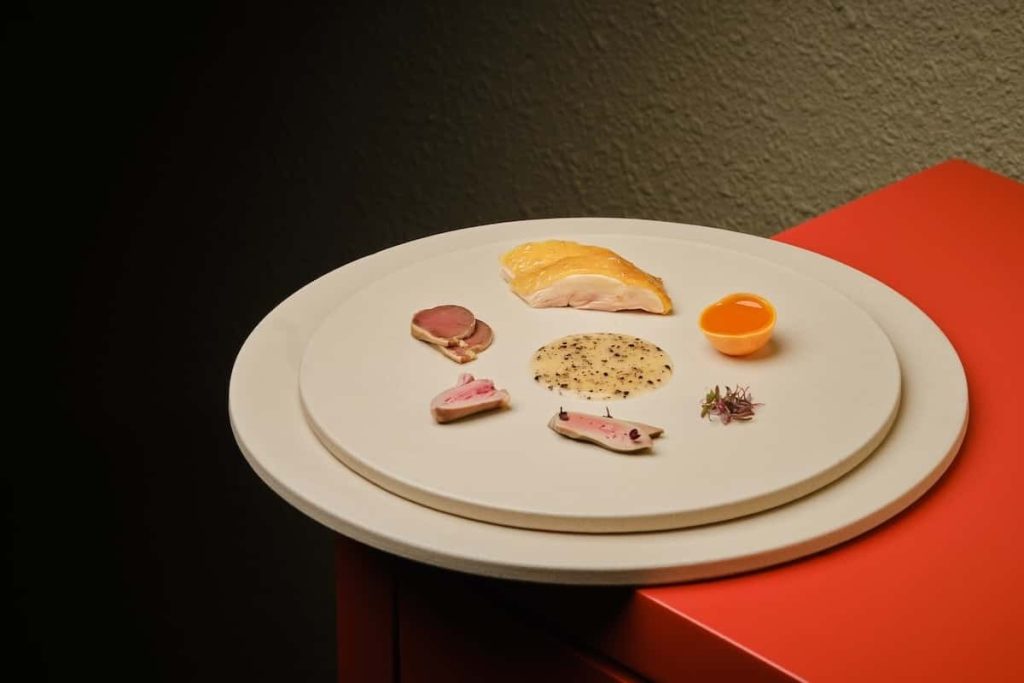
In this context, fine dining is no longer a layer of luxury imposed on Vietnamese cuisine, but a tool to systematize and elevate it. When familiar ingredients such as ambarella, fermented tofu, or chili salt appear on a tasting menu, what changes is not their essence, but the context in which they are placed where every detail is intentional, and every pairing has a purpose. Recognition from international rankings, therefore, goes beyond mere accolades. It signals that Vietnamese cuisine is gradually developing a “second language”: still true to itself, yet capable of engaging in dialogue with the world.
More importantly, this is not an isolated effort. Behind it stands a generation redefining how F&B is approached in Vietnam, understanding ingredients more deeply, mastering techniques more confidently, and most importantly, having a clear awareness of the story they want to tell the world.
This transformation is not momentary, but foundational. It opens up new possibilities for Vietnamese cuisine, not only to preserve its identity, but to evolve it into more refined and sustainable forms.
At this moment, the recognition of a Vietnamese restaurant in international rankings is more than a proud milestone. It is a sign that Vietnamese cuisine is entering a new chapter, one where, beyond the familiar street-side eateries, it now has representatives capable of standing confidently within the world’s finest culinary spaces.