The devastating wildfires sweeping across France have become one of the country’s most severe environmental disasters in recent history.
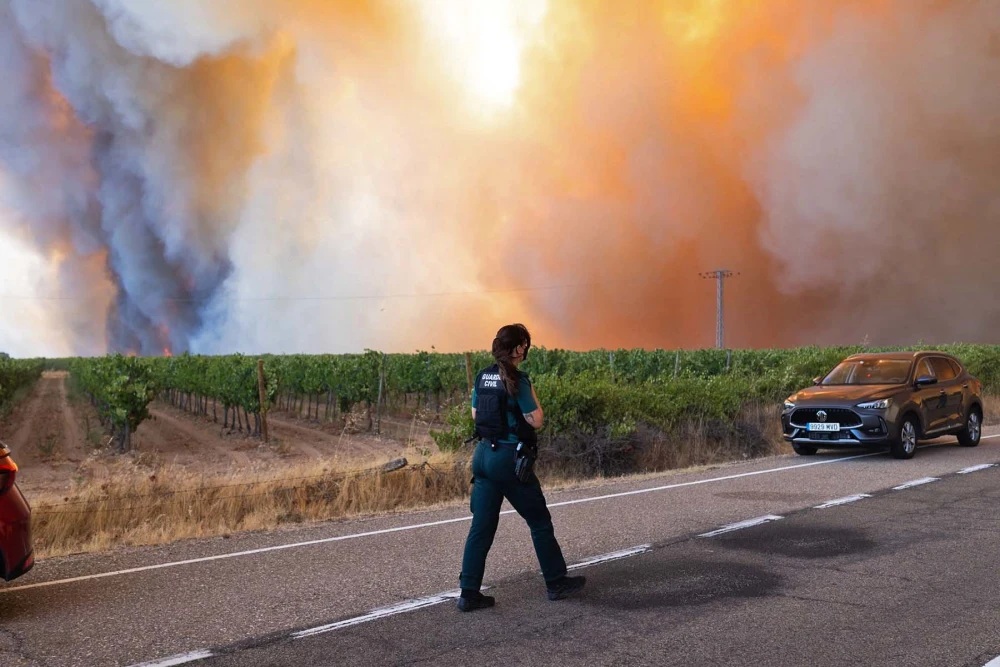
Near Bordeaux, more than 220,000 people have been evacuated, tens of thousands of hectares of forest have burned, and thousands of firefighters continue battling multiple blazes. While many vineyards have so far escaped direct destruction, the fires are casting a long shadow over one of the world’s most celebrated wine regions.
For wine lovers, the immediate question is simple:
What does this mean for Bordeaux?
Fortunately, many of Bordeaux’s iconic vineyards remain intact. But the greatest concern is not necessarily the flames—it’s the smoke.
As grapes approach harvest, prolonged exposure to wildfire smoke can lead to smoke taint, where smoke compounds are absorbed by grape skins and later appear in the finished wine as unwanted aromas of ash, burnt wood, or char. Unlike physical fire damage, smoke taint often isn’t discovered until the wine has been fermented—or even bottled.
The impact extends far beyond the vineyards.
Bordeaux is one of the world’s leading wine tourism destinations. With mass evacuations and widespread concern over the fires, tourism has slowed dramatically, affecting wineries, restaurants, hotels, museums, and thousands of local businesses that depend on visitors.
These wildfires arrive at an already challenging time for Bordeaux’s wine industry, which has been facing declining wine consumption, increasing international competition, inflation, and changing consumer preferences.
More importantly, they serve as another reminder that climate change is no longer a distant concern.
It is already reshaping some of the world’s greatest wine regions.
Today, many winegrowers are rethinking how they farm—experimenting with drought-resistant grape varieties, adopting organic and regenerative viticulture, and investing in healthier vineyard ecosystems that can better withstand extreme weather.
Because every great bottle of wine begins long before harvest.
It begins with the land.
And perhaps that is the most important lesson these fires leave behind.
Wine is not only about terroir.
It is also about how we choose to protect it.
Phuong Maxy began her journey as a storyteller, sharing untold stories about people in the wine industry on her personal blog. She also contributes to international publications, bringing perspectives from Vietnam’s emerging wine culture to a global audience.
With over 10 years of experience in wine marketing and communications, Phuong is passionate about connecting people, culture, and knowledge through the world of food and wine.
Her work has been recognized as one of the Top 50 Influential Women and awarded Writer of the Year by Women in Wine & Spirits Award 2025.