Can a single film change how an entire nation drinks?
It sounds far-fetched, but that’s exactly what happened with Sideways — the 2004 independent film now regarded as one of the most influential works in shaping modern wine culture.
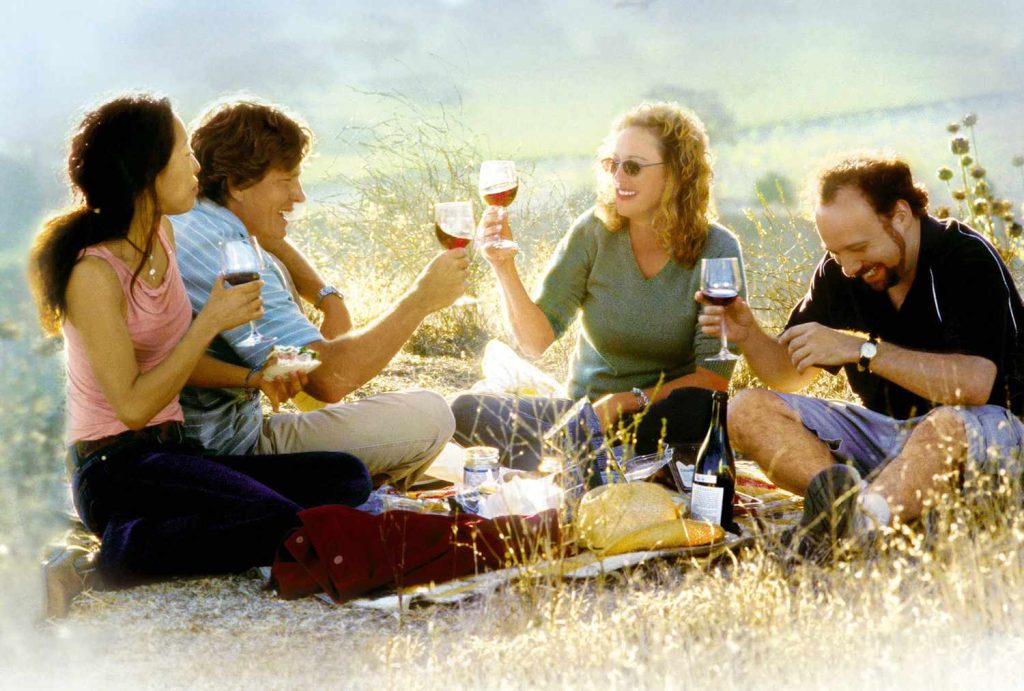
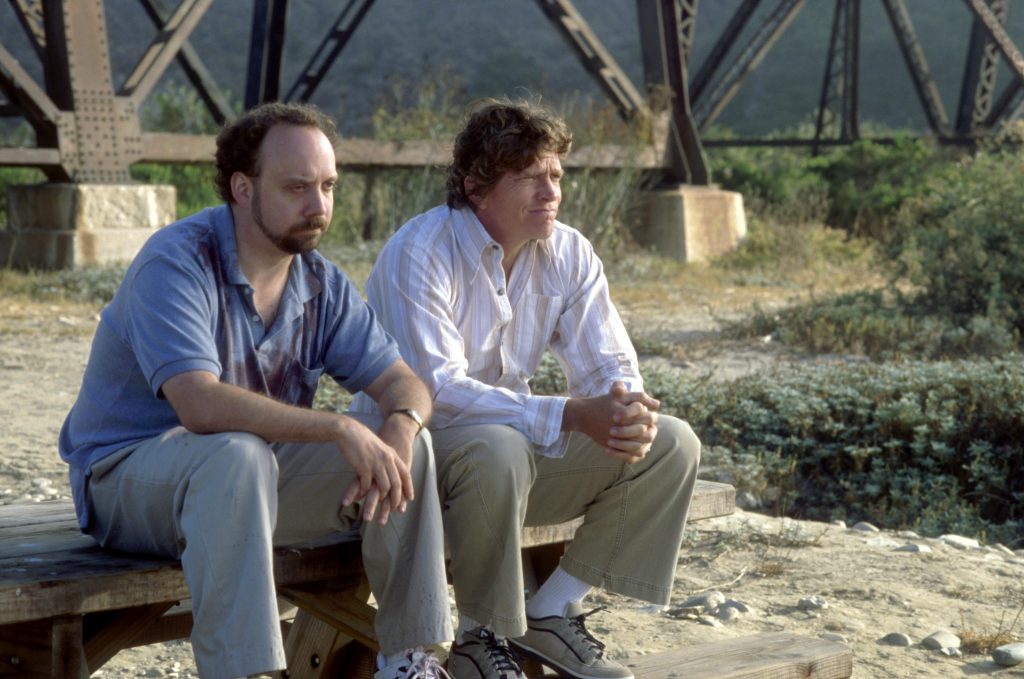
The film follows two friends on a road trip through Santa Barbara wine country before one of them gets married. But what the wine world remembers isn’t the plot it’s one unforgettable line from the character Miles Raymond:
“If anyone orders Merlot, I’m leaving.”
A line that lasted only a few seconds went on to create what the media and wine industry would later call The Sideways Effect.
When a Movie Moved Wine Sales
Before Sideways, Merlot was one of the most popular grape varieties in America. Consumers loved its soft, approachable, easy-drinking style.
But after the film’s success, everything started to shift.
According to research from economists at Sonoma State University and numerous wine industry reports, between 2004 and 2008:
- U.S. Pinot Noir sales rose by more than 16%
- Demand for Pinot Noir kept climbing strongly for years afterward
- California Pinot Noir grape prices rose sharply as demand outpaced supply
- Meanwhile, Merlot consumption growth stalled noticeably
A study published in the Journal of Wine Economics even estimated that Sideways helped generate hundreds of millions of dollars in additional economic value for the U.S. Pinot Noir industry in the years that followed.
Remarkably, the film wasn’t sponsored by any Pinot Noir producer.
No advertising campaign.
No brand ambassador deal.
Just a story compelling enough to shift the perceptions of millions of consumers.
Merlot, the Unwitting Victim
The interesting thing is, Merlot was never actually a bad grape.
In fact, some of the world’s most expensive and celebrated wines are made from Merlot or contain a very high proportion of it – most notably Château Pétrus in Pomerol, Bordeaux.
Ironically, the bottle Miles treasures most throughout the film is none other than a 1961 Château Pétrus — a wine world icon made predominantly from Merlot.
In other words, cinema’s most outspoken Merlot-hater was, all along, in love with one of the most famous Merlots in the world.
Santa Barbara – The Wine Region That Benefited the Most
Pinot Noir wasn’t the only winner from Sideways.
Santa Barbara County, where the film was shot, also saw a dramatic transformation.
Before 2004, Santa Barbara was known among wine enthusiasts but hadn’t yet become a globally recognized wine tourism destination.
After the film’s success, visitor numbers to Santa Ynez Valley and Sta. Rita Hills surged. The wineries featured in the movie became sought-after destinations. Countless local businesses – restaurants, hotels, wine-tasting tours – all rode the wave of new tourism.
Today, Santa Barbara is considered one of California’s top Pinot Noir regions, and many credit Sideways with helping put this land on the world wine map.
Film and Media Can Change What We Choose to Drink
The story of Sideways is a striking example of how powerful media can be in shaping the beverage industry.
Consumers rarely choose a bottle of wine based purely on technical specs, terroir, or production methods. Most purchasing decisions are shaped by perception, emotion, and the stories people encounter.
A film can spark curiosity about Pinot Noir in millions of people.
A TV show can turn a wine region into a travel destination overnight.
An article, a book, or a social media video can sometimes create far greater impact than a traditional advertising campaign.
This is also why countries with thriving wine industries invest heavily in storytelling, education, and culture alongside production itself.
The Greatest Legacy of Sideways
Twenty years after its release, Merlot is still loved. Pinot Noir remains one of the most sought-after grapes in America. Santa Barbara has become a familiar destination for wine-loving travelers.
But the greatest legacy of Sideways may lie somewhere else entirely.
The film proved that a story, told the right way, can change the consumer behavior of an entire market.
And in the world of wine — where every bottle is tied to people, place, and culture — sometimes it’s the story itself that holds the greatest power of all.
Phuong Maxy began her journey as a storyteller, sharing untold stories about people in the wine industry on her personal blog. She also contributes to international publications, bringing perspectives from Vietnam’s emerging wine culture to a global audience.
With over 10 years of experience in wine marketing and communications, Phuong is passionate about connecting people, culture, and knowledge through the world of food and wine.
Her work has been recognized as one of the Top 50 Influential Women and awarded Writer of the Year by Women in Wine & Spirits Award 2025.