When the Sommelier Profession Was Still Unfamiliar in Vietnam
When people think of sommeliers, many still imagine a world dominated by Western men working in elegant fine dining restaurants. Women pursuing this profession have always been relatively rare. Behind the glamour of wine lies a career that demands deep knowledge, resilience, discipline, long working hours, and countless sacrifices.
That is why, in Vietnam, the story of a mother and daughter both becoming sommeliers is almost unheard of. What makes it even more remarkable is that both of them have become respected figures in Vietnam’s wine industry.
One belongs to the first generation of sommeliers who helped shape Vietnam’s wine culture. The other represents a younger generation continuing that journey in her own distinctive way.
They are Lê Thu Hương and her daughter, Nhật Anh.
I decided to interview them separately at different moments. Because when family members sit beside each other, people often tell the version of the story they think the other person wants to hear — not always the real one.
So we jokingly called these conversations our “family expose sessions.”
“The First Job of a Sommelier Is Cleaning Wine Glasses Properly”
Lê Thu Hương belongs to Vietnam’s first generation of sommeliers. With more than 17 years of experience in wine and spirits, she currently leads Sales & Marketing for Penfolds Vietnam under Treasury Wine Estates, one of the world’s most respected wine companies, while also serving as a board member of the Vietnam Sommelier Association (VSA).
She holds numerous international certifications in wine and spirits, including:
- Sake Making Certificate – Gekkeikan Sake School, Kyoto, Japan (2009)
- WSET Level 3 Award in Wines and Spirits
- Introductory Sommelier Certificate – Court of Master Sommeliers
- Certified Sake Sommelier
- ASI Certification 1 – Association de la Sommellerie Internationale
- Certified Wine Specialist
She was also runner-up at the Vietnam Best Sommelier in French Wines 2017 competition and previously lectured at Vatel Hotel & Tourism Management School while serving as a guest lecturer at RMIT University and VinUniversity.
Beyond her professional career, she is also the Vietnamese translator of two globally influential wine books: Wine Folly by Madeline Puckette and Justin Hammack, and 24 Hour Wine Expert by renowned wine critic Jancis Robinson.
Yet what impressed me most about her was not her achievements.
It was the way she viewed the profession itself.
As a university student, she worked part-time in bars and restaurants. After years of experience at Press Club, Metropole, and Hilton – iconic names in Vietnam’s hospitality industry at the time, she realized she genuinely loved serving people.
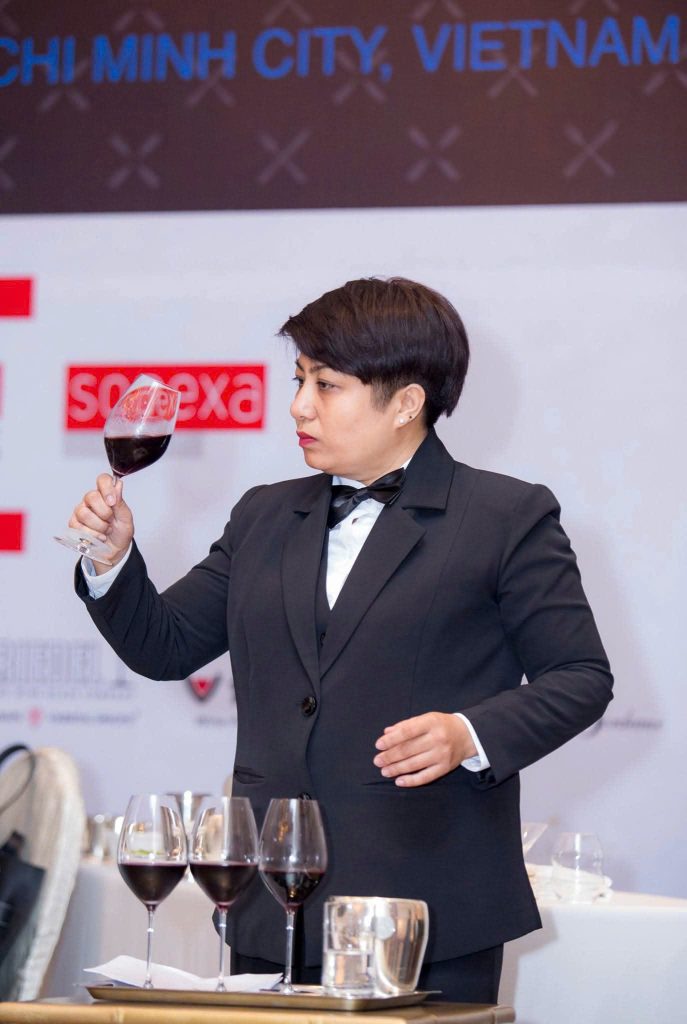
While many view being a sommelier as a glamorous profession, Hương simply smiled and said:
“The first job of a sommelier is cleaning and polishing wine glasses properly.”
She said it casually, but it stayed with me.
Because sometimes, the way someone polishes a glass says everything about their discipline, attention to detail, and attitude toward their work.
Working in hospitality requires far more than wine knowledge. It demands observation, sensitivity, and emotional intelligence – understanding what guests need, what they desire, or sometimes simply recognizing how they feel during an evening.
“That’s why I can be quite strict sometimes.”
She laughed.
And honestly, I completely agreed.
But behind that strictness was not harshness. It was a deep desire to make sure everything was done with care and sincerity.
A Woman Who Chose the Hard Things
In 2007, Hương accepted a challenge almost nobody wanted at the time: developing a Japanese sake brand in Vietnam.
“Back then, Japanese restaurants would barely even meet with sake salespeople unless they were Japanese.”
Initial sales were only around 60 bottles per month.
But instead of giving up, she spent years studying Japanese customer behavior, understanding their psychology, and finding the right approach.
Eight years later, monthly sales grew to 25,000 bottles – an almost unimaginable number at a time when sake was still extremely unfamiliar in Vietnam.
Perhaps that is what stood out most about her to me: resilience, persistence, and a refusal to quit easily.
A Different Kind of Mother
What surprised me most during our conversations was not Hương’s achievements.
It was her parenting philosophy.
She never pushed Nhật Anh to become a sommelier. Instead, she allowed her daughter to choose her own path, just as her own parents had done for her.
“Parents often think: this is good for my child, so they must do it. But sometimes they forget to ask whether the child actually wants it.”
“I don’t need my daughter to be exceptional or famous. I just want her to become a kind and responsible person.”
When Nhật Anh was younger, Hương worked three jobs simultaneously so her daughter could attend an international school. But when Nhật Anh later felt she was more suited to public school, Hương agreed immediately.
No pressure. No resistance.
Just respect for her daughter’s decision.
Unlike many children raised in highly protected environments, Nhật Anh was introduced to work very early. At 15, she began working part-time in restaurants during summer breaks.
“My mom let me decide what to do with the money I earned.”
For Hương, maturity does not come from controlling children too much, but from experience and learning responsibility through one’s own choices.
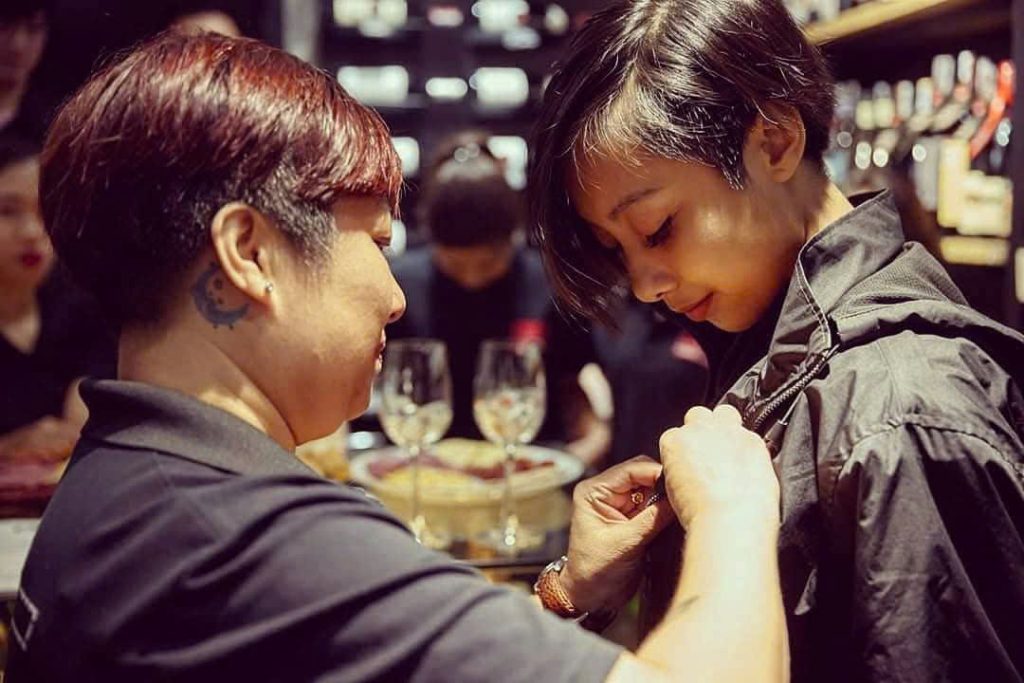
While many parents worry about exposing their children too early to bars or alcohol culture, Hương did the opposite. When Nhật Anh turned 18, she personally brought her daughter into bars so she could understand that world from a more realistic perspective.
Even Nhật Anh’s very first tattoo was a matching tattoo with her mother.
Nhật Anh – A Talented Young Sommelier
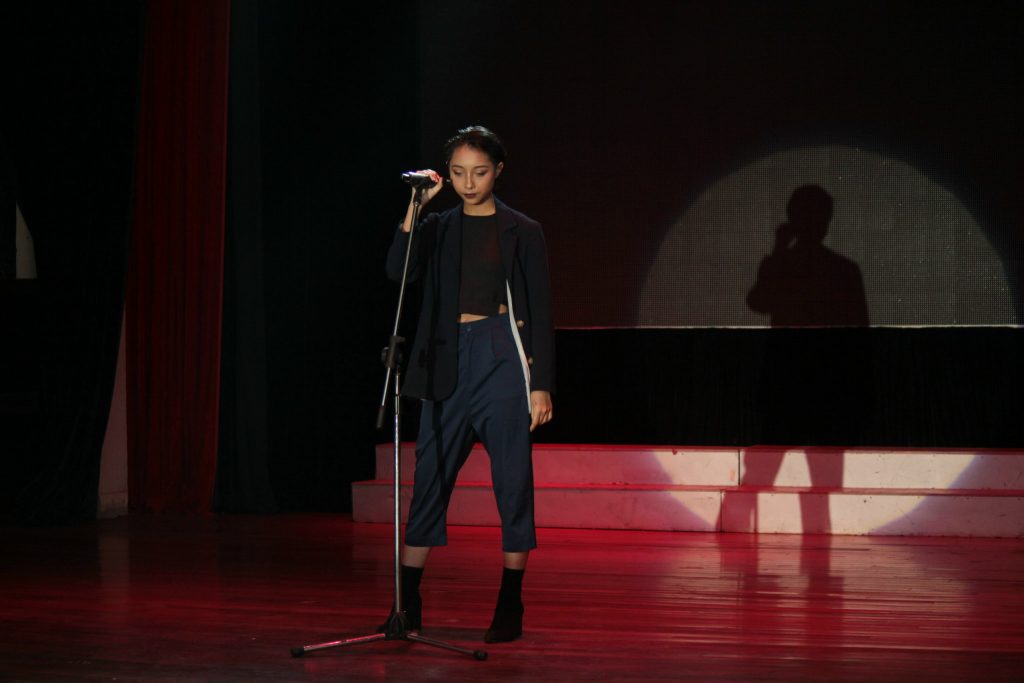
Nhật Anh graduated from the College of Performing Arts. At first glance, music and sommellerie seem like completely different worlds. But for her, they share the same artistic language.
“To me, wine is art.”
She still sings. She still occasionally performs with her band.
But while music remains her passion, sommellerie is where she wants to build both her passion and her career.
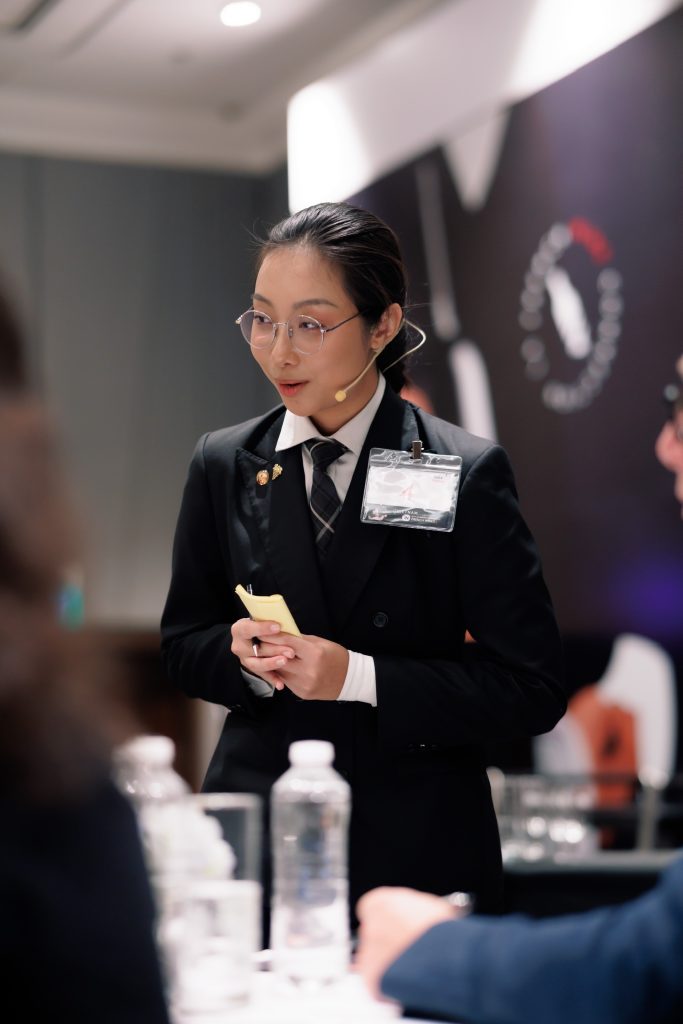
“What I love most about being a sommelier is discovering the world through wine. Every bottle is not just about flavor – it represents the culture, history, and people of a region.”
By the age of 18, Nhật Anh had already earned her WSET Level 1 and Level 2 certifications.
At 24, she reached the Top 4 finalists of the Vietnam Best Sommelier in French Wines 2024 competition.
Today, Nhật Anh works as a Sommelier at JW Marriott Saigon while also managing Nikura Restaurant, a role requiring not only wine expertise, but also leadership, operations, and team management skills.
Interestingly, although her mother inspired her journey into wine, Hương was not the person who directly trained her.
“My mom always says: ‘No one worships the Buddha next door.’”
She laughed.
“At home, my mom wasn’t strict enough with me. She understood I needed someone tougher to train me.”
Her mentor became Ku’ Bơ (Khánh Vi), a young sommelier known within the industry for his discipline and high standards.
Her mother inspired her.
But another teacher helped shape her professionally.
Perhaps Hương understood that sometimes, helping your child grow means trusting other people to guide them too.
Is Being a Woman an Advantage or a Disadvantage in Wine?
Many still believe sommellerie is a profession better suited for men. Behind fine wines and luxury restaurants lies demanding physical work, high pressure, long hours, and the need for extensive expertise.
Yet both Hương and Nhật Anh believe women possess unique advantages in this field.
“Women are naturally more sensitive in their senses. As sommeliers, that becomes an advantage when perceiving aromas and flavors,” Hương explained.
And that was exactly what I felt while speaking with both of them – though in very different ways.
In Hương, there was sharpness, fast observation, and the instinct of someone shaped by decades in hospitality.
In Nhật Anh, there was the softer sensitivity of a younger generation – someone deeply connected to the emotions and stories behind each bottle.
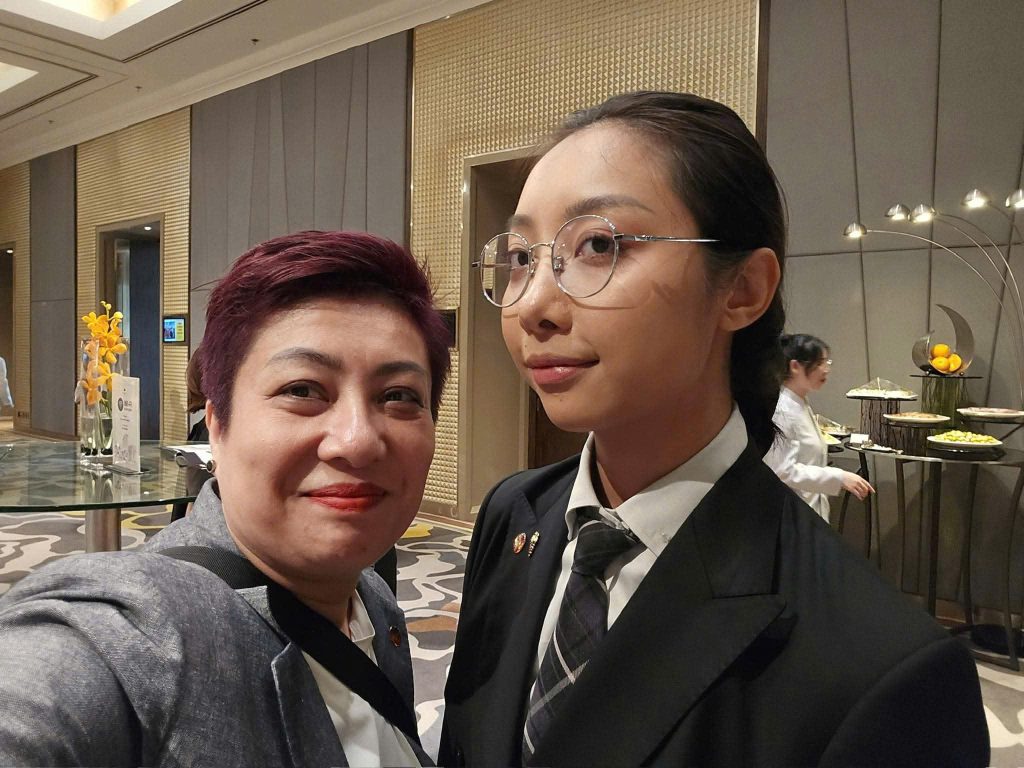
Perhaps being a sommelier has never been only about tasting wine or memorizing knowledge.
It is also about listening, sensing, and connecting with people.
And in that aspect, women may naturally hold quiet advantages.
When Wine Becomes a Shared Language Between Mother and Daughter
If Hương is outgoing, adventurous, energetic, and always chasing new experiences, Nhật Anh is her complete opposite: quiet, thoughtful, and cautious.
“We’re like reversed roles.”
Nhật Anh laughed.
“Whenever we go out late, I’m the one worrying about my mom.”
That is probably why Hương often jokes:
“Am I your mother, or are you mine?”
At home, they share a small wine collection.
“Sometimes we do blind tastings together just for fun.”
For Nhật Anh, her mother is not only a parent, but also a friend, colleague, and source of inspiration.
One day, she hopes to open her own wine bar or restaurant. a place where people can connect through wine and music.
As for Hương, after many years in the industry, her dream is to open an academy for young people pursuing careers in hospitality.
“I love teaching. And I love watching people grow.”
Today, both mother and daughter remain active contributors to the Vietnam Sommelier Association, while Hương also writes professional wine articles for Ngonista.
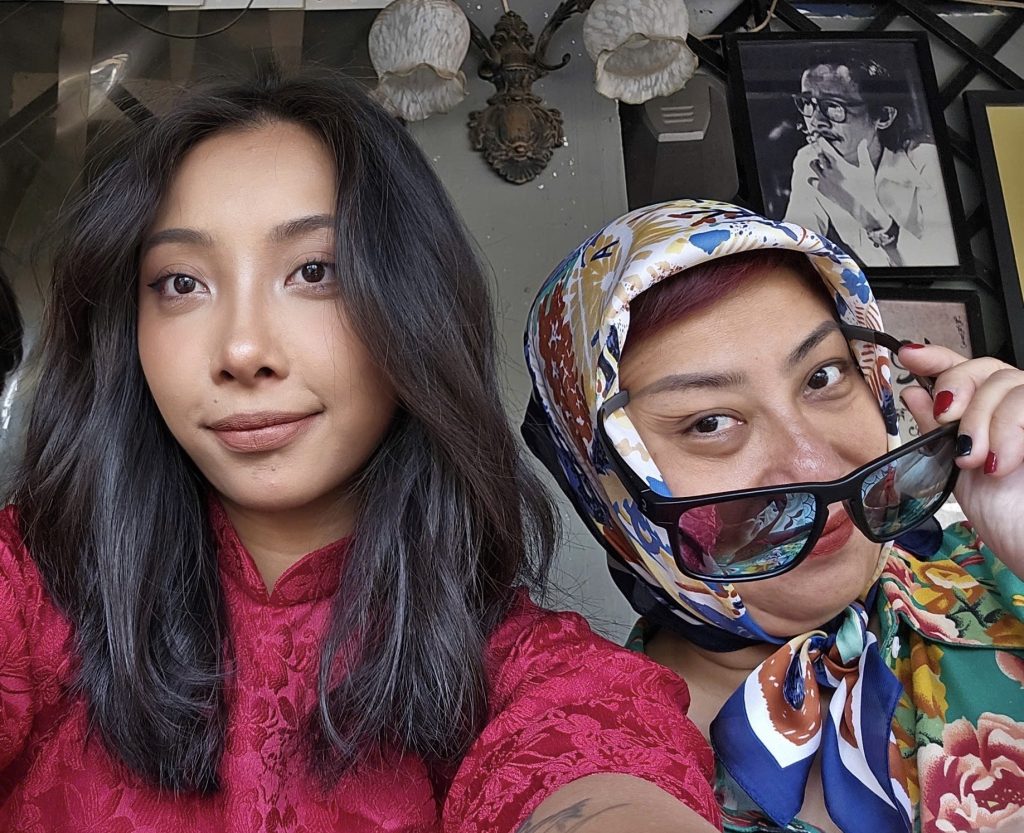
When Passion Is Passed Down Without Pressure
The story of Hương and Nhật Anh is ultimately not only about wine or sommellerie.
It is a story about how passion quietly travels from one generation to another.
Not through pressure or expectation.
But through the way people live, work, and allow their children enough freedom to choose their own path.
Because in the end, what takes someone far in any profession is never other people’s expectations but genuine love for what they choose.
And when children grow up surrounded by respect and inspiration, passion will always find its own way to bloom.
Phuong Maxy began her journey as a storyteller, sharing untold stories about people in the wine industry on her personal blog. She also contributes to international publications, bringing perspectives from Vietnam’s emerging wine culture to a global audience.
With over 10 years of experience in wine marketing and communications, Phuong is passionate about connecting people, culture, and knowledge through the world of food and wine.
Her work has been recognized as one of the Top 50 Influential Women and awarded Writer of the Year by Women in Wine & Spirits Award 2025.