
Over the past few years, Vietnamese sommeliers have steadily made their mark on the world wine map. A new generation of young professionals keeps appearing at international competitions, earning certifications long considered the pinnacle of the profession. Among them, Lê Hoàng Khánh Vi affectionately known as Kú Bơ is one of the most frequently mentioned names.
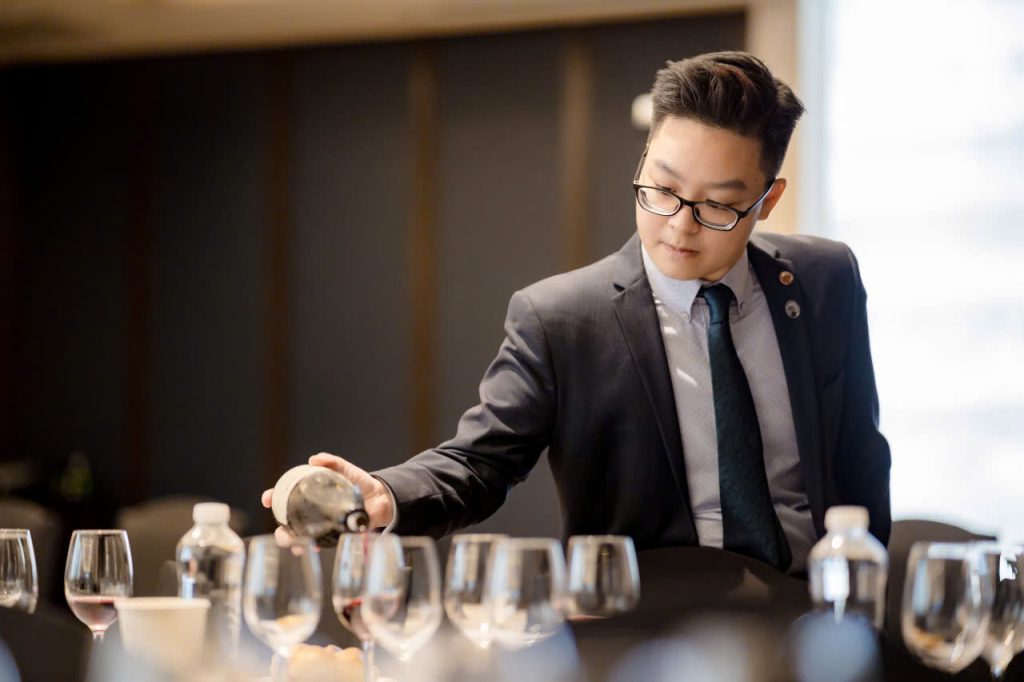
Looking back on her early days in the industry, Vi laughs and says:
“I didn’t even know how to open a bottle of sparkling wine.”
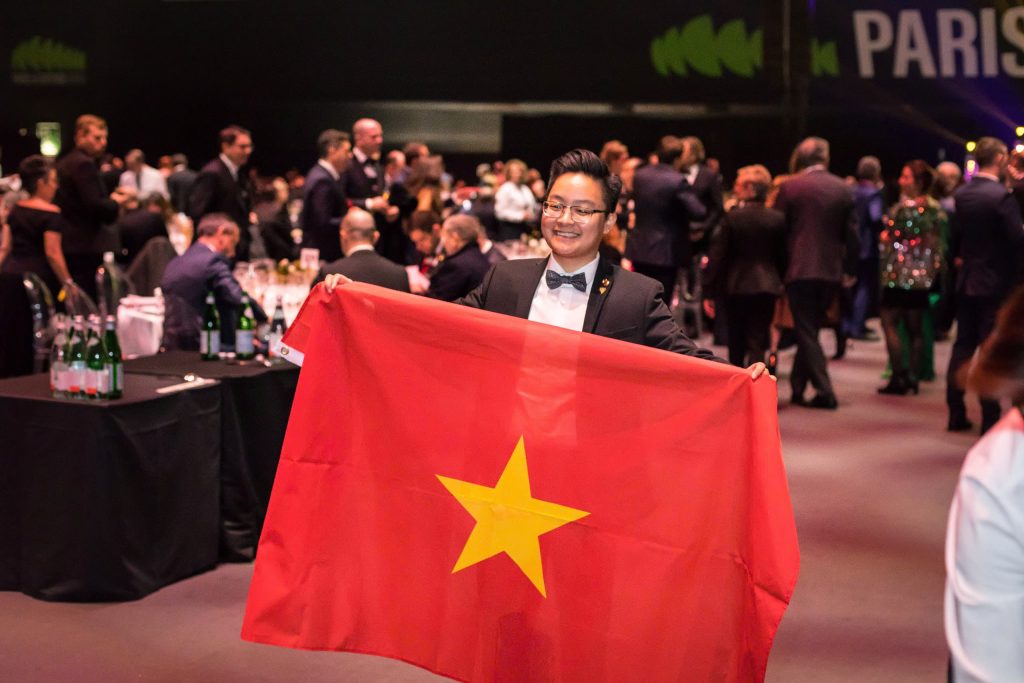
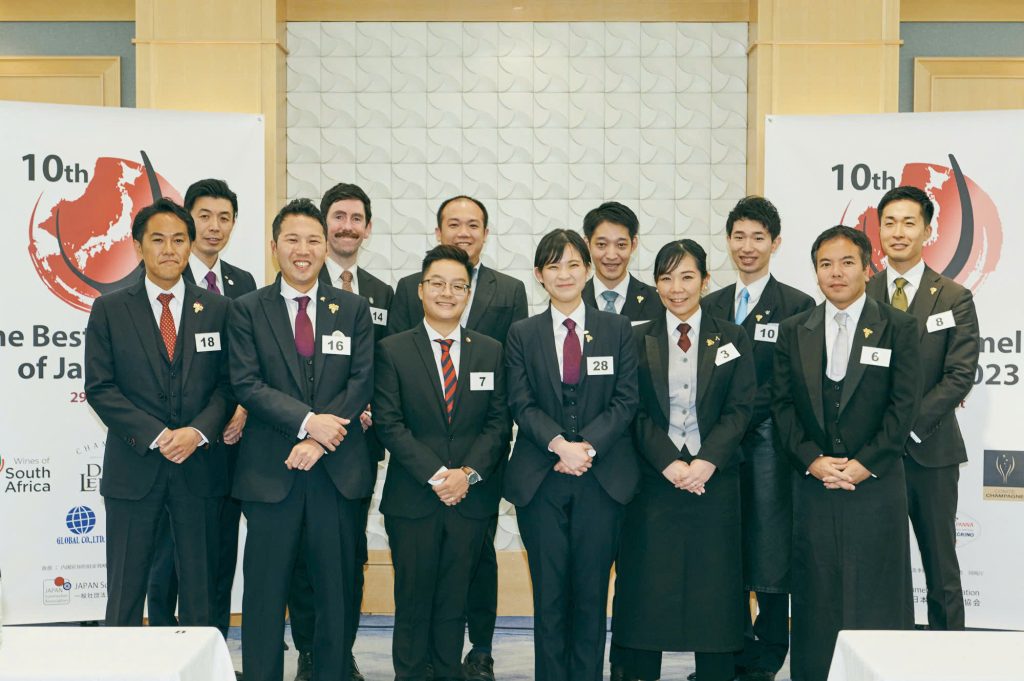
Few would guess that the person who once said this would go on to become the first Vietnamese representative at the Best Sommelier of the World competition. That same year, she added another remarkable milestone, placing 10th at Best Sommelier of Japan (Open for Asia) 2023 a standout achievement for a Vietnamese sommelier on the international stage.
Looking only at these milestones, it would be easy to assume this is the story of someone with natural talent. Perhaps it is. But is talent alone, if it exists, enough to make a sommelier? When asked what matters most in pursuing this career, Vi answers almost instantly:
“I think the most important thing is perseverance.”
Discovering the Sommelier Profession by Chance
Ten years ago, the sommelier profession was still a fairly unfamiliar concept to most people in Vietnam, especially the young. At the time, Khánh Vi was studying Restaurant and Food Service Management at Hoa Sen University, hoping to become a pastry chef. The turning point came during a class session, when Mr. Trần Quốc Thanh was invited to speak about wine and the sommelier profession.
“That was the moment I first learned there was a profession called sommelier,” Vi recalls.
After that meeting, Vi stayed in touch with Mr. Thanh. When she learned about the 2015 Best French Wine Sommelier of Vietnam competition, he encouraged her to give it a try.
“My knowledge back then was very limited. I didn’t even know how to open a bottle of sparkling wine.”
Even so, Vi decided to take the leap, partly because the competition offered free training beforehand. Outside of class hours, she bought her own wine to practice at home, even “forcing” her family to sit as her judges.
In her first attempt, Vi won third place. A year later, she returned and became runner-up.
“That was when I thought this could be my path.”
A Spirit of Sharing and Lifelong Learning
If there is one thing that has stayed with Vi throughout more than ten years in the profession, it is a relentless spirit of learning. After years of working in wine, she went on to pursue academia seriously, earning a Master’s degree in Wine Tourism Innovation, delivered across three prestigious European universities: the University of Bordeaux (France), the University of Porto (Portugal), and the Rovira i Virgili University (Spain). She then went on to earn a series of highly regarded international wine certifications, including the ASI Diploma, WSET Diploma, and Certified Sommelier.
But for Vi, learning has never been an endpoint. Knowledge only becomes meaningful when it is shared. That belief is what drove Vi and a group of friends to found the Saigon Sommelier Club in 2017. What began as a small group of wine lovers meeting to learn from one another gradually grew into the Saigon Sommelier Association (SSA), the predecessor of today’s Vietnam Sommelier Association (VSA). VSA now has over 150 members nationwide, serving as a hub that connects the community and helps build a professional foundation for the sommelier trade in Vietnam.
Alongside her role as Vice President of VSA, Vi also teaches wine and hospitality-related subjects at Hoa Sen University and the University of Economics and Finance, Ho Chi Minh City. Each year, she spends hundreds of hours in the classroom introducing students to the world of wine and inspiring them toward the sommelier profession. Beyond teaching, she also quietly mentors many students preparing for major sommelier competitions in Vietnam.
“My students are my motivation and inspiration. They remind me of my own early, uncertain days in this profession. When I was starting out, resources and learning opportunities were far more limited than they are now. I was fortunate to receive encouragement and valuable guidance from those who came before me, and that gave me the motivation to keep going. Perhaps because I went through those years myself, I always want to walk alongside those who are truly serious about this path, so they have a little more support and feel a little less alone on their journey.”
Vi tells the story of a student who works at a fine-dining restaurant, often finishing shifts at 2 a.m., yet still showing up on time at 9 a.m. the next morning for a class preparing for a major sommelier exam. Interestingly, when speaking about these students, Vi feels that she is the one who owes them gratitude.
“I owe my students a great deal of thanks. They are the ones who remind me to keep my hunger for learning alive, to stay serious, and to stay determined on the path I chose.”
Perseverance – The Most Important Quality of a Sommelier
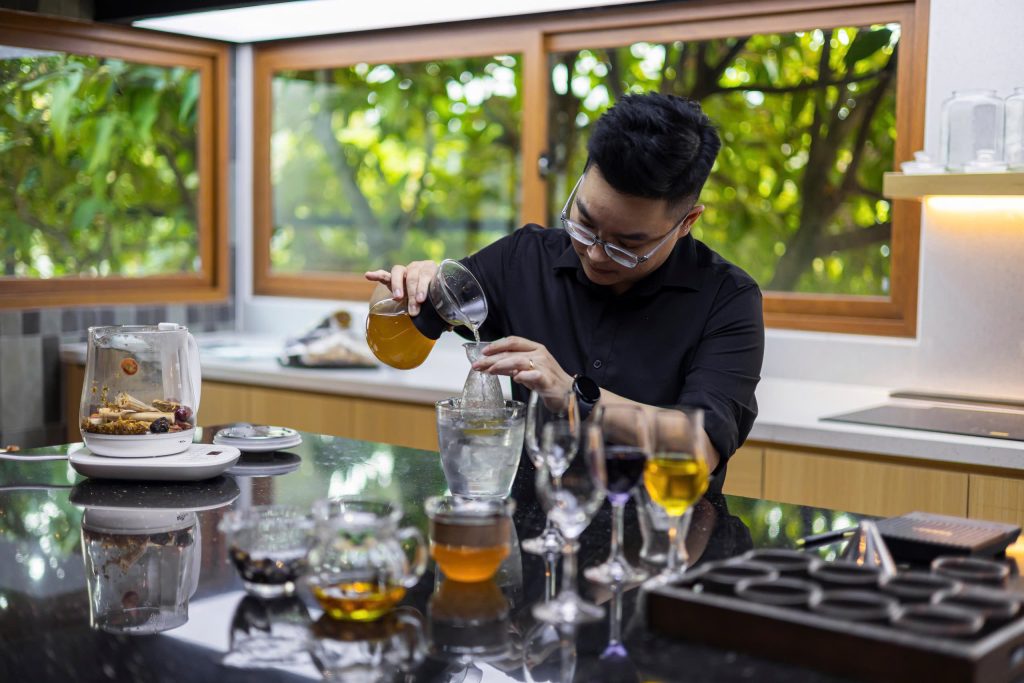
Many people still think of a sommelier simply as someone knowledgeable about wine. In reality, this is one of the professions demanding the most comprehensive foundation of knowledge and skill in the hospitality industry. A sommelier must understand not only wine but also spirits, cocktails, beer, tea, coffee, mineral water, and the art of pairing drinks with food. On top of that come foreign languages, service skills, consulting, sales, and the ability to communicate with guests.
Perhaps that is why being a sommelier is not a career one can sustain on passion alone. Passion is the starting point, but seriousness is what determines whether someone stays committed to the craft over the long run. When asked what matters most in becoming a sommelier, Vi answers almost immediately.
“Perseverance.”
Studying wine requires a strong memory to retain countless foreign geographical names – no small challenge for a Vietnamese learner, and Vi herself is no exception.
“I don’t have a particularly good memory. If others need to study something once to remember it, I have to study it four or five times.”
“People often think a sommelier needs a naturally gifted palate or sense of smell. I think the most important thing is the perseverance to keep practicing.”
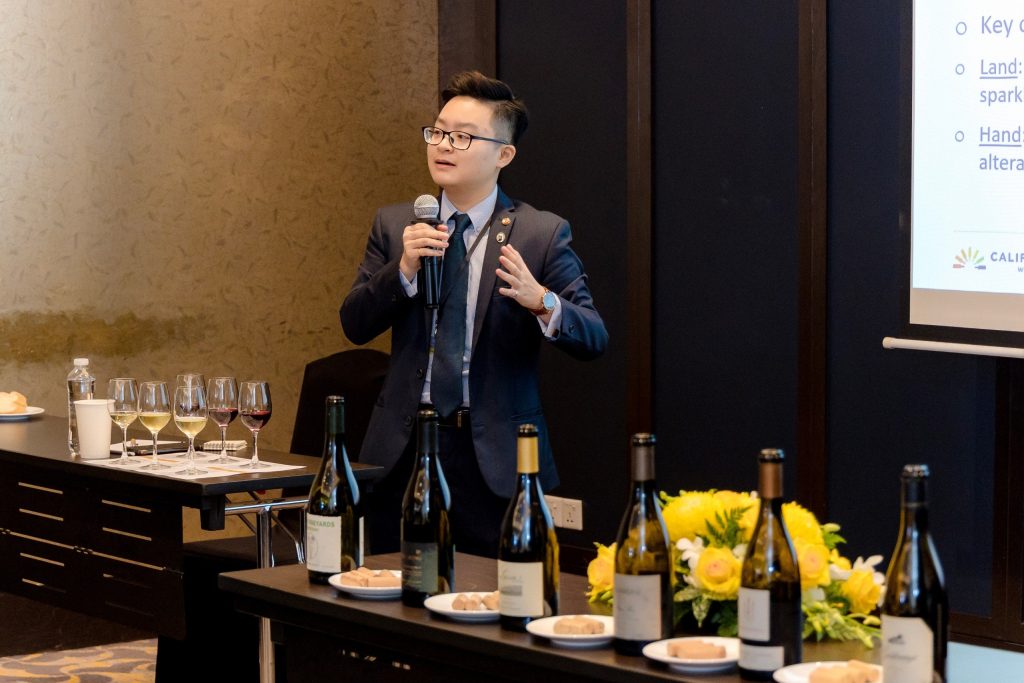
Pursuing the Sommelier Profession Requires Serious Investment
One of the biggest barriers for Vietnamese people entering the sommelier profession is the cost of training. Professional exams can cost tens, even hundreds of millions of Vietnamese đồng. On top of that, studying wine requires hands-on tasting practice – an investment that is far from small.
When asked whether this is the biggest barrier for young people wanting to pursue the profession, Vi nods.
“I think that’s true. But it’s not the whole picture. Like any specialized profession, being a sommelier demands an investment of both time and money.”
According to Vi, cost is a real barrier, but it is not what ultimately determines who makes it to the end of this path. What matters more is whether a person is truly determined to pursue it. With a clear direction and real determination, each person will eventually find a way suited to their own circumstances to reach their goal.
“There are so many opportunities now. You can work at wine import companies, restaurants, or hotels to be around wine every day. The Vietnam Sommelier Association also regularly organizes training programs, workshops, and free tastings for people in the industry. If you truly want to learn, there is always a way to start.”
Vi herself is no exception. Her own journey began with very modest steps.
“There were periods when I had to work several jobs at once. Every month, I set aside a little money to be able to study and take part in international certification exams.”
Perhaps because she walked that path herself, Vi firmly believes that cost is only a necessary condition, what truly determines whether someone stays committed to the sommelier profession is whether they clearly understand the path they want to pursue, and whether they have the determination and perseverance to see it through.
Never Standing Still
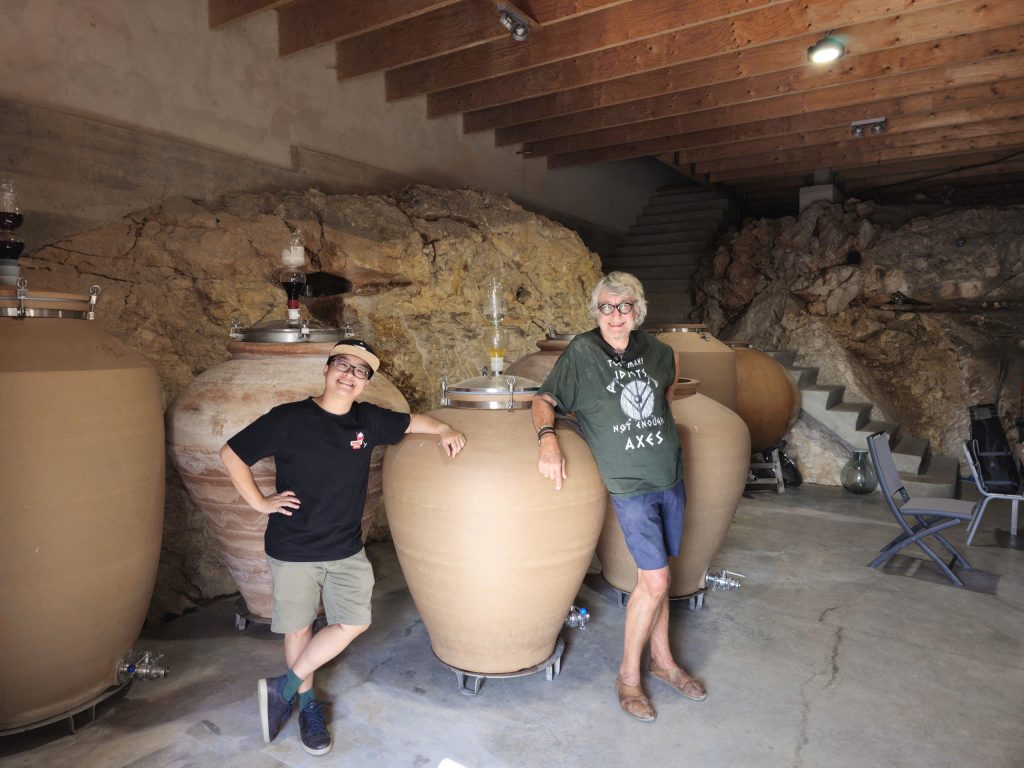
Over many years in the profession, Vi has had the chance to experience a wide range of wine styles and philosophies. But if she had to choose the category she feels most connected to, her answer is always natural wine.
Vi discovered natural wine fairly early, through her own research. While pursuing her Master’s degree in Europe, she actively sought out an internship at Mas Zenitude, a natural wine producer in southern France. That experience deepened her love