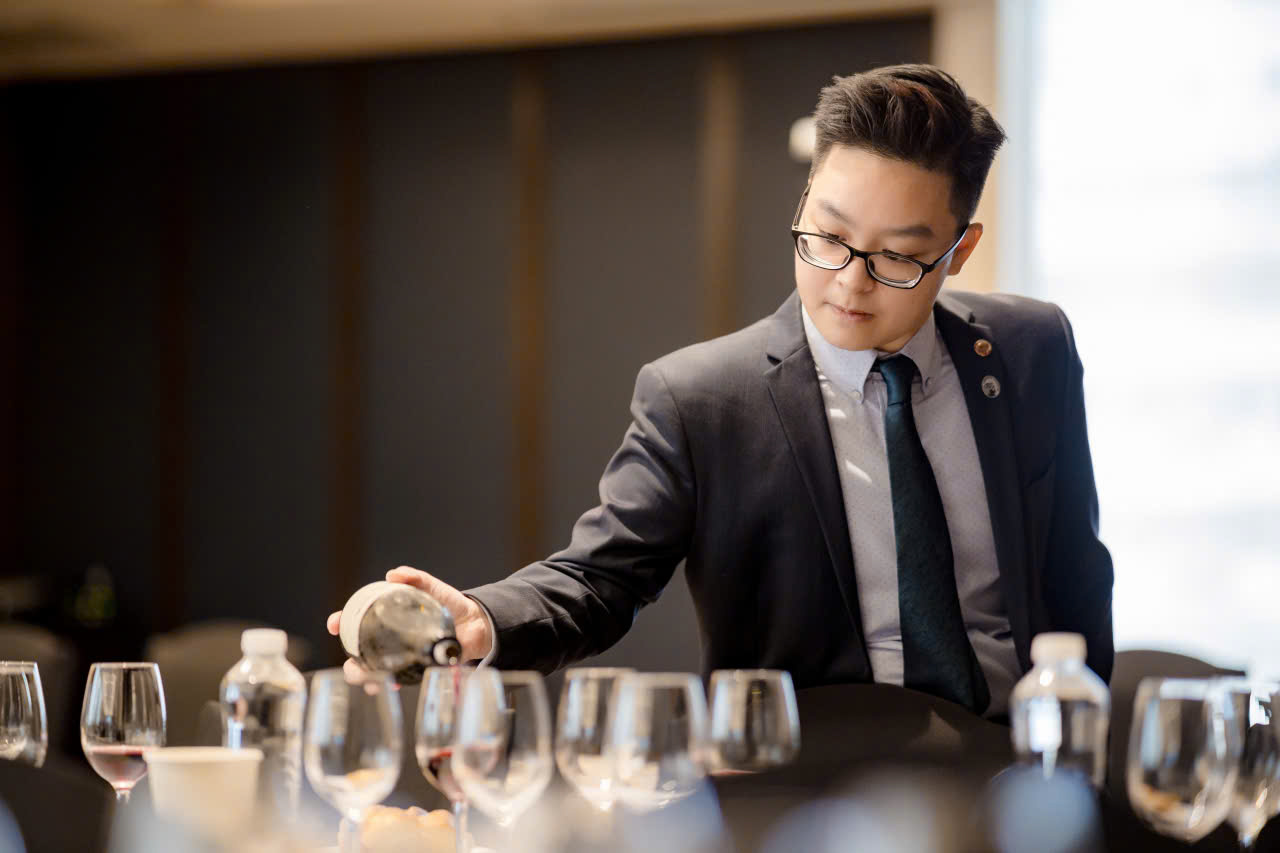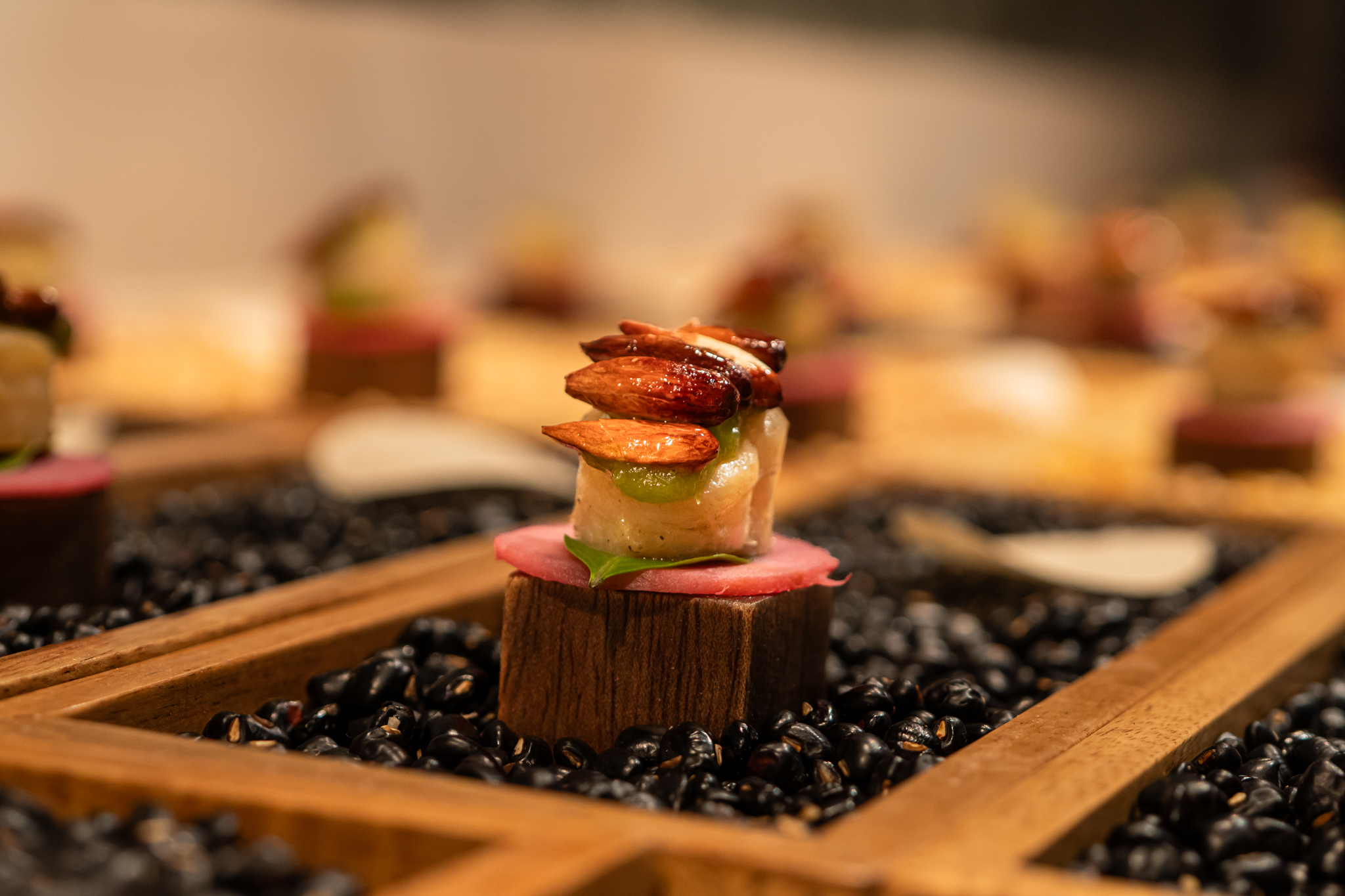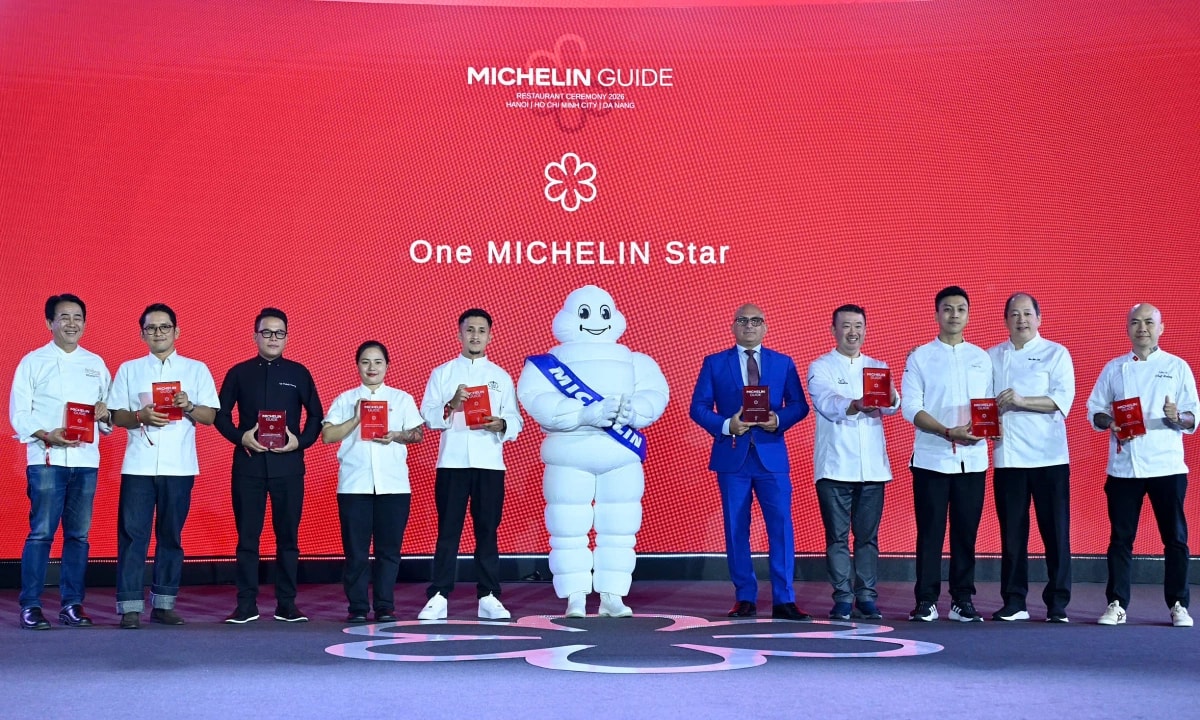
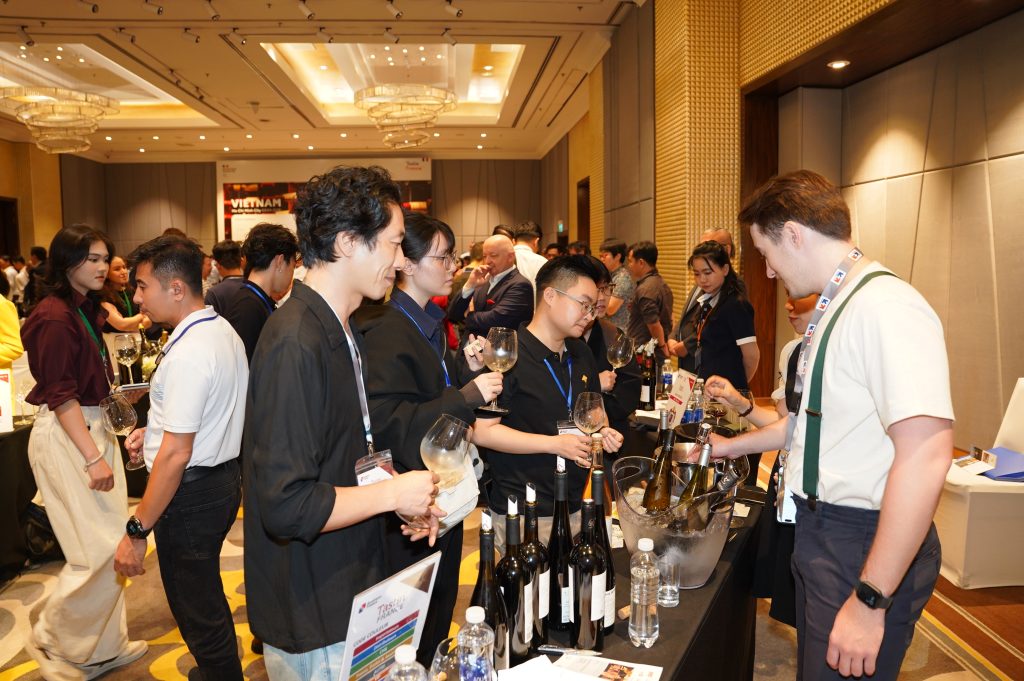
The recent Tastin’ France event, one of the most important wine trade events in Vietnam organized by Business France, took place on April 1st and 3rd in Hanoi and Ho Chi Minh City, marking its 17th edition. Bringing together 36 wineries from across various regions of France, the event was not only a key platform for professionals in the F&B industry, but also a clear reflection of the growing appeal of the Vietnamese market to international producers.
A Promising Market Where Wine Is Still Just Beginning
Vietnam ranks 15th globally in population, with more than 100 million people. At the same time, according to Sinowine 2025, Vietnam is the largest consumer of alcohol per capita in Asia, with an average of 9.74 liters per person each year, a figure expected to reach 11.4 liters in the near future.
However, wine accounts for only 0.8 percent of total alcohol consumption, compared to beer at 91.5 percent and spirits at 7.7 percent.
This reveals a fundamental paradox. Alcohol consumption is high, yet wine remains at an early stage of development, leaving significant room for growth.
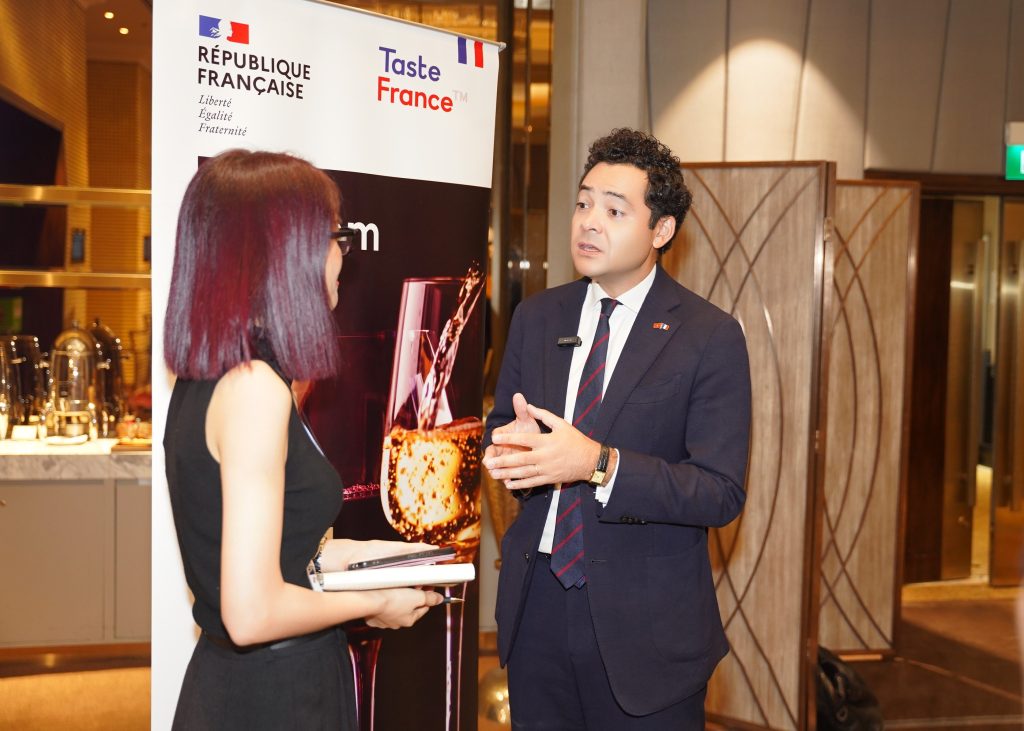
Despite a slight decline in the value of French wine imports in 2025, Mr. Etienne Ranaivoson, Consul General of France, noted:
“Vietnam remains the most attractive market in Asia for French wine.”
According to him, the opportunity is not only driven by population size and economic growth, but also by the openness of Vietnamese consumers to diverse tastes.
“Our long term vision is to make wine no longer perceived as a luxury product, but something accessible and naturally integrated into everyday consumer culture in Vietnam.”
From a producer’s point of view, the shift is equally clear.
At the event, Mr. Damien Base-un , Asia Export Manager of Vignoble Vellas, a big winery from Languedoc, shared:
“Vietnam is an important market for us. It is a place where we want to invest for the long term, especially through activities that help develop wine culture.”
This reflects a broader transformation. Vietnam is increasingly seen as a strategic destination within the global wine export landscape.
From Bordeaux to a Broader World of Wine
According to Business France, French wine continues to lead in import value in Vietnam, holding approximately 31.6 percent market share, equivalent to nearly 21 million euros.
However, a deeper shift is taking place beneath this dominance.
While Bordeaux and Burgundy once served as the default choices, other French regions are now gaining strong momentum. Vietnamese consumers are increasingly exploring wines from the Loire Valley, Languedoc, Alsace, Rhône Valley, and Provence.
At the same time, white wines, rosé, and sparkling wines are experiencing notable growth, gradually reshaping a market that was once dominated by red wine.
This signals a more mature market where choices are no longer driven solely by reputation, but by experience, context, and personal preference.
From Cellars to Sidewalks When Wine Enters Everyday Life
One of the most visible changes can be seen in how wine is consumed.
In the past, wine was closely associated with fine dining restaurants, wine cellars, and formal settings. Today, particularly among younger consumers, wine has become more relaxed and approachable.
A striking example is the rise of what is now referred to as “sidewalk wine culture,” especially in Hanoi.
Young people gather on sidewalks, sitting on low stools, sharing a bottle of wine after work. There is no formality and no pressure. It is simply a moment of ease at the end of the day.
This behavior has also led to the emergence of casual wine bars inspired by this style, where wine is served in an environment that feels familiar and unpretentious.
Young Consumers at the Center of Change
The transformation of Vietnam’s wine market is not driven by producers or brands, but by consumers themselves – a younger, more dynamic, and more open-minded generation.
They travel more, are exposed to different cultures, and are more willing to explore new experiences.
They do not drink wine to signal status or follow traditional norms.
Instead, wine has become part of a broader lifestyle, a way to enjoy a meal, unwind after a long day, or connect with others.
More importantly, they are no longer guided by traditional perceptions of wine shaped by older or more affluent generations.
They are making their own choices: what to drink, where to drink, and how to drink.
And through these personal choices, Vietnam’s wine market is being reshaped in an entirely new way.
Vietnam Where Wine Is Being Redefined
With a large population, a rapidly growing middle class, and a dynamic economy, Vietnam has all the conditions to become one of the most promising wine markets in Asia.
What makes Vietnam stand out, however, is not only its potential.
It is the speed of change, and the fact that consumers are evolving faster than the market itself.
Vietnamese consumers are not simply learning how to drink wine. They are redefining how wine is experienced in a way that reflects their own culture and lifestyle.
Phuong Maxy began her journey as a storyteller, sharing untold stories about people in the wine industry on her personal blog. She also contributes to international publications, bringing perspectives from Vietnam’s emerging wine culture to a global audience.
With over 10 years of experience in wine marketing and communications, Phuong is passionate about connecting people, culture, and knowledge through the world of food and wine.
Her work has been recognized as one of the Top 50 Influential Women and awarded Writer of the Year by Women in Wine & Spirits Award 2025.