Many wine drinkers assume that words like Château, Domaine, or Maison on a French wine label are signs of prestige. Some even believe that if a bottle says Château, it must be expensive or of exceptional quality.
In reality, that’s one of the most common misconceptions about French wine.
These terms do not indicate quality, price, or ranking. Instead, they reveal something far more interesting: the producer’s history, production model, and the winemaking traditions of a particular region.
Understanding the difference between Château, Domaine, and Maison allows you to read a wine label not just as information but as a story.
Château: More Than Just a Castle
In French, the word château literally means castle or grand manor.
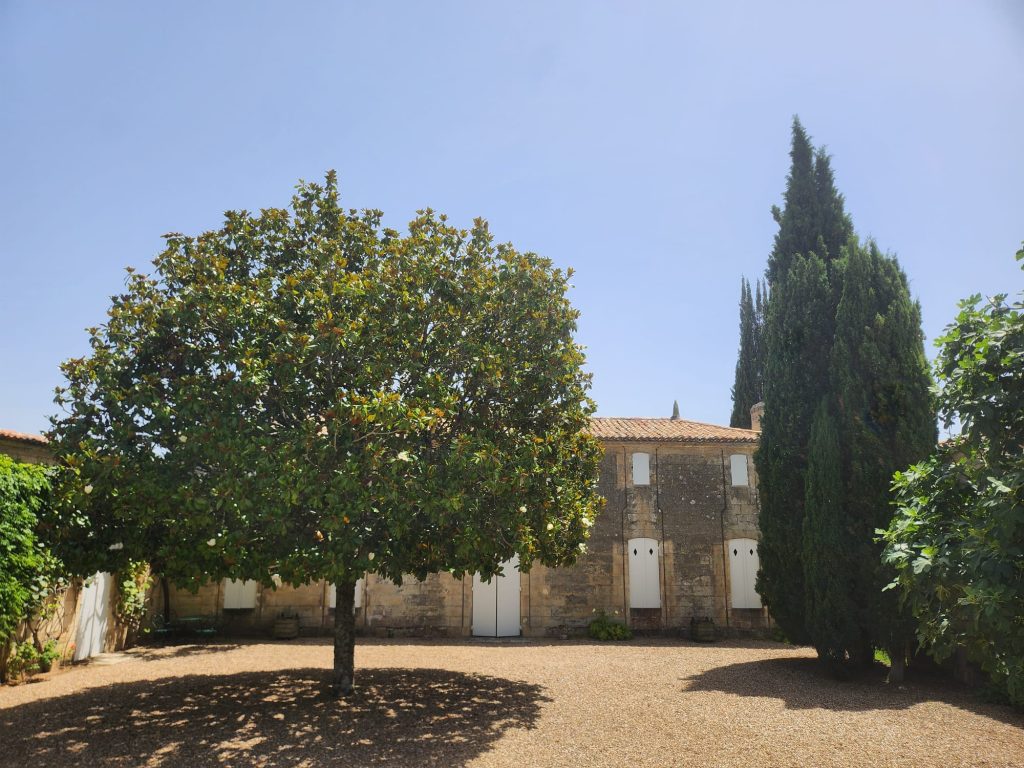
In Bordeaux, however, it has a much more specific meaning. A Château refers to a wine estate where the vineyards, winery, and cellars operate as a single property, with the wines typically vinified and bottled on site.
The term is deeply rooted in Bordeaux’s history.
For centuries, many of the region’s vineyards belonged to noble families and wealthy landowners who lived on the estate where they also cultivated grapes and produced wine.
During the 17th to 19th centuries, as Bordeaux flourished through wine exports to England, the Netherlands, and other European markets, estate owners began calling their properties Châteaux to reflect elegance, prestige, and heritage. The reputation of these estates was further strengthened by the famous 1855 Bordeaux Classification, which officially ranked many of the region’s leading producers.
Today, almost every Bordeaux estate carries the word Château, even if the property itself looks more like a country house than a royal palace.
Over time, Château became an official part of Bordeaux’s wine culture and is now a legally protected term under French wine regulations.
When people hear Château, they often think of legendary names such as:
- Château Margaux
- Château Angélus
- Château Mouton Rothschild
- Château Latour
These wines can sell for thousands or even tens of thousands of dollars per bottle.
Not surprisingly, many consumers assume that every wine labelled Château belongs to the luxury category.
That is simply not true.
Walk into almost any wine shop and you’ll find countless Bordeaux wines carrying the word Château priced at just €10–20, or even less.
This shows that the term Château is not a guarantee of quality or prestige. Rather, it simply indicates that the wine is produced on an estate with its own vineyards. More importantly, every Château carries a history of its own – one shaped by generations of winemaking, the land it stands on, and the legacy it has built over time.
Domaine: A Story About the Land
If Château is synonymous with Bordeaux, Domaine is the term most commonly associated with Burgundy, the Rhône Valley, the Loire Valley, and Alsace.
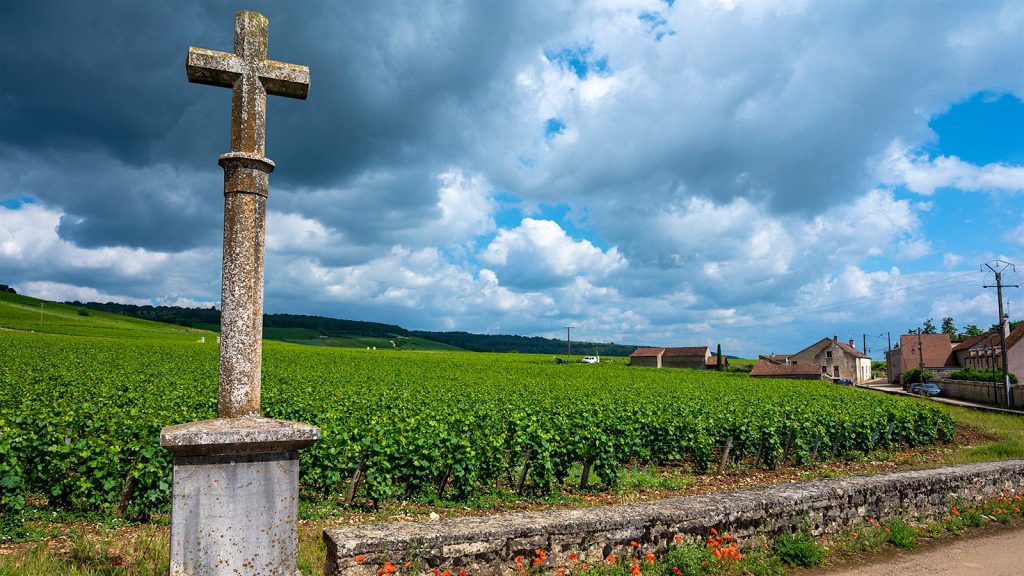
Unlike Bordeaux, Burgundy’s vineyards have been divided repeatedly over centuries through inheritance among families and religious orders. The result is a mosaic of tiny vineyard parcels known as climats, each with its own unique geological and historical identity.
Here, the focus shifts away from grand estates and towards the land itself.
A Domaine is typically a family-owned wine estate that cultivates its own vineyards and produces wine from those vineyards.
One Domaine may own multiple climats across different appellations, with vineyards planted on limestone, clay, gravel, or other distinct soil types. The word Domaine therefore represents not a single vineyard, but the producer’s collection of vineyard holdings.
Perhaps the most famous example is:
Domaine de la Romanée-Conti (DRC)
Owning just around 28 hectares of vineyards, DRC is regarded as one of the world’s greatest producers of Pinot Noir, with some bottles selling for tens of thousands of dollars.
In Burgundy, there is a saying:
“The land comes first.”
This philosophy explains why Domaine is closely connected to the concept of terroir—the unique combination of soil, climate, and vineyard that gives each wine its identity.
Just like Château, however, Domaine does not automatically mean higher quality.
Some small Domaines produce everyday wines, while others rank among the most prestigious wineries in the world.
Maison – The Art of Blending and Brand Identity
Unlike a Château or a Domaine, a Maison does not necessarily own vineyards. Instead, it may purchase grapes from multiple growers, source base wines, or work with several Domaines before vinifying, blending, ageing, and bottling the wines under its own label.
While this business model also exists in Burgundy, it is particularly characteristic of Champagne, where consistency is everything. By sourcing fruit from hundreds of vineyard parcels across the region, Champagne houses are able to create a distinctive house style that remains remarkably consistent from one vintage to the next despite the natural variations of each growing season.
In this sense, a Maison refers to a wine house or producer, often operating as a négociant, whose expertise lies not only in winemaking but also in sourcing, blending, and maintaining a recognizable identity.
In Burgundy, well-known examples include Maison Louis Jadot, Maison Joseph Drouhin, and Maison Bouchard Père & Fils.
In Champagne, however, the Maison model dominates the region’s wine industry. Many of the world’s most iconic Champagne brands including Moët & Chandon, Veuve Clicquot, Bollinger, Louis Roederer, and Pol Roger are all Maisons.
A Maison is therefore much more than simply a “house” or a producer. It represents the art of blending, the pursuit of stylistic consistency, and the commitment to preserving a brand’s identity across generations. For many wine lovers, it is this enduring signature style that defines the reputation of a great Maison.
So, Do Château, Domaine and Maison Tell You Anything About Quality?
The short answer is no.
This is one of the biggest misconceptions among people beginning their wine journey.
A Château can produce an affordable Bordeaux priced under €15.
A tiny Domaine in Burgundy may produce wines worth tens of thousands of dollars.
A Maison may craft some of the world’s finest Champagnes and Burgundies.
The quality of a wine is ultimately shaped by many factors: its terroir, grape varieties, vintage, the winemaker’s expertise and craftsmanship, production methods, and the philosophy behind its creation.
Château, Domaine, and Maison do not define a wine’s quality, they simply tell different stories about the people, the place, and the traditions behind every bottle.
Reading a Wine Label Means Reading a Story
Perhaps this is what makes wine so fascinating.
Every name on a French wine label tells a different story.
A Château speaks of Bordeaux’s historic estates.
A Domaine reflects a family’s enduring relationship with its land and vineyards.
A Maison represents generations of expertise in sourcing, blending, and maintaining a signature style.
So the next time you pick up a bottle of French wine, take a closer look at the name before you uncork it.
You may discover that the story begins long before the first sip.

Thảo Võ lives and works in Bordeaux, France - one of the world's most renowned wine regions. What began as curiosity and a love for wine gradually evolved into a passion that led her to pursue a career in the world of sommellerie. She currently serves as an Assistant Manager at a fine dining restaurant in Bordeaux while actively participating in local wine communities and professional events. Through her writing, she hopes to connect Vietnamese audience with authentic perspectives on French wine culture, sharing knowledge and experiences from her life in the heart of Bordeaux.