
Holding a wine list for the first time can feel intimidating.
Not because wine is complicated but because the list seems overwhelming.
In reality, you only need to understand a few key terms
to confidently order wine in most restaurants.
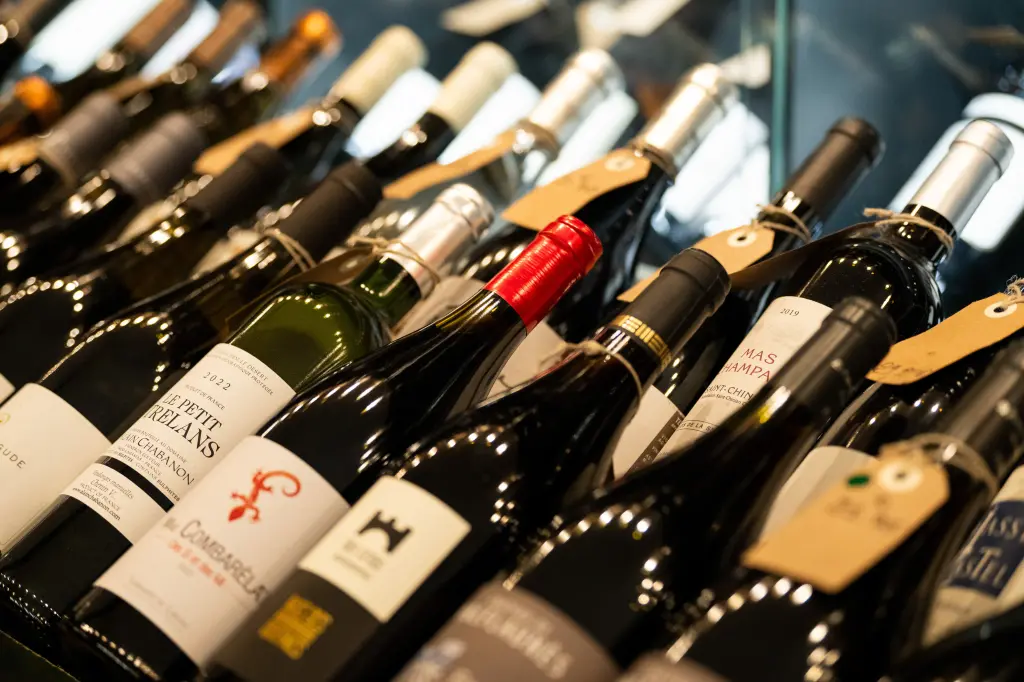
Wine by the glass vs Wine by the bottle
Wine by the glass means you order a single serving (around 100–150ml).
It’s perfect if you’re dining alone or want to try different wines.
Wine by the bottle means ordering a full bottle (750ml, about 5 glasses).
It’s ideal when sharing or when you want a more complete experience.
👉 Simple tip: if you are 2 people or more, consider a bottle.
House wine
House wine is the restaurant’s selected wine.
It is usually approachable, easy to drink, and reasonably priced.
👉 A safe choice when you don’t want to overthink.
Vintage (the year)
Vintage refers to the year the grapes were harvested.
It can influence flavor, but for beginners,
you don’t need to focus too much on it.
👉 Think of it simply:
younger wines = fresher,
older wines = more complex.
Grape variety (most important)
This is the key to choosing wine.
- Red wine: Cabernet Sauvignon → bold, tannic
- Red wine: Pinot Noir → light, smooth
- White wine: Chardonnay → from fresh to rich
- White wine: Sauvignon Blanc → crisp and refreshing
👉 If you’re unsure:
light → Pinot Noir / Sauvignon Blanc
bold → Cabernet Sauvignon
Body (how heavy the wine feels)
- Light-bodied → light
- Medium-bodied → balanced
- Full-bodied → complex
👉 Beginners often enjoy light to medium-bodied wines.

Tannin (the dryness in red wine)
Tannin creates that dry, slightly bitter feeling.
- High tannin → strong, dry
- Low tannin → smooth
👉 If you don’t like bitterness, go for low tannin wines like Pinot Noir.
Acidity (freshness)
Acidity gives wine brightness and freshness.
👉 If you enjoy crisp, refreshing drinks,
look for wines with higher acidity (like Sauvignon Blanc).
Dry vs Sweet
- Dry = not sweet (most wines)
- Sweet = noticeable sugar
👉 Common misconception: not all wine is sweet — most are dry.